
A Law Aimed at One of Nigeria’s Most Controversial Political Practices
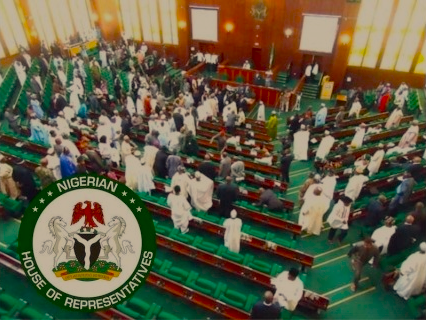
Nigeria’s House of Representatives has proposed one of the toughest penalties yet against dual party membership, a practice widely criticised for fuelling political instability.
Under the proposed amendment, any politician found to be simultaneously registered with two political parties could face a ₦10 million fine, imprisonment, or both.
Lawmakers behind the proposal argue that the measure would strengthen political discipline and restore credibility to Nigeria’s party system.
The Practice That Keeps Triggering Election Battles
Dual party membership has been a recurring flashpoint in Nigeria’s politics.
Candidates accused of secretly maintaining ties to multiple parties have often faced court challenges over their eligibility.
Such disputes have led to:
- candidate disqualifications
- election petitions
- prolonged court battles after elections
Supporters of the proposed law say stronger penalties are needed to discourage politicians from exploiting legal grey areas.
IDNN DATA PANEL
Proposed Penalties for Dual Party Membership
| Offence | Proposed Penalty |
|---|---|
| Belonging to two parties | ₦10 million fine |
| Dual party membership | Possible prison term |
| Electoral violation | Candidate disqualification |
Lawmakers say the proposed sanctions aim to strengthen party discipline and reduce legal disputes over candidate eligibility.
Why the Proposal Matters Ahead of 2027
The proposal arrives as political parties begin positioning for the 2027 general elections, a period when defections and strategic alliances typically intensify.
In Nigeria’s political landscape, politicians frequently switch parties or maintain informal alliances across party lines.
Lawmakers say the new penalties would make it far more difficult for candidates to operate within multiple party structures simultaneously.
Critics Warn of New Legal Battles
Some observers caution that stricter penalties could trigger fresh disputes if accusations of dual membership are used as political weapons.
Internal party rivals have often used legal challenges to block opponents from contesting elections.
If enacted, the new law could therefore intensify pre-election litigation within political parties.
The Bigger Question: Loyalty or Strategy?
The debate over dual party membership ultimately touches a deeper issue in Nigerian politics — party loyalty.
For many voters, political defections and shifting alliances have long raised questions about ideological commitment within party structures.
Supporters of the proposal say stricter rules could force politicians to choose a single political platform rather than operate across competing parties.
This is IDNN. Independent. Digital. Uncompromising.
