
Racism in football remains one of the sport’s most persistent challenges, despite decades of campaigns and regulations aimed at eradicating it. The issue manifests in various ways:
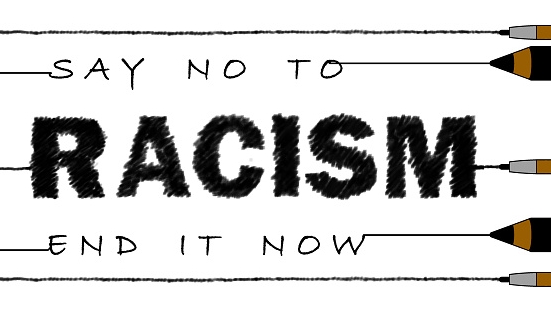
Forms of Racism in Football
- On the pitch: Players of African, Asian, or minority descent continue to face racist chants, slurs, and gestures from fans.
- Online abuse: Social media amplifies the targeting of players, particularly after high-profile matches or missed opportunities.
- Structural issues: There is underrepresentation of minorities in coaching, management, and executive roles, highlighting systemic barriers.
- Fan culture: Some supporter groups perpetuate discriminatory behavior, often tied to nationalism or xenophobia.
Efforts to Combat Racism
Various efforts are being made to address racism in football:
- Campaigns: Initiatives like FIFA’s Say No to Racism and UEFA’s Respect program work to raise awareness and promote inclusivity.
- Sanctions: Clubs can face fines, stadium bans, or point deductions if their fans engage in racist behavior.
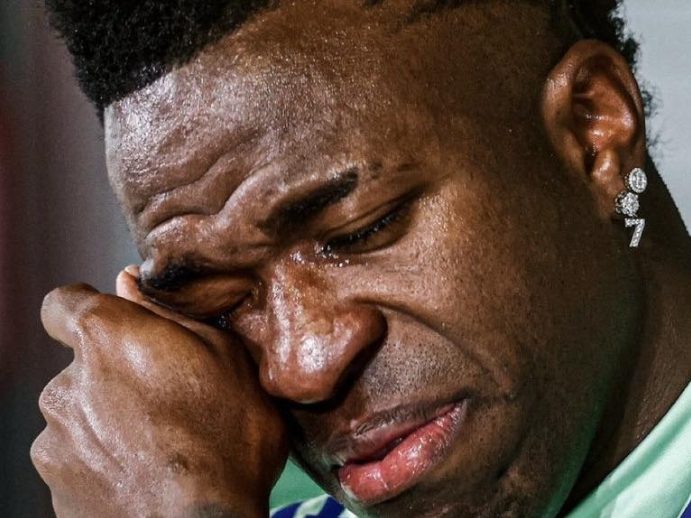
- Player activism: High-profile players such as Marcus Rashford, Romelu Lukaku, and Vinícius Júnior have spoken out, urging governing bodies to act more decisively.
- Technology: VAR and surveillance systems are increasingly used to identify offenders in stadiums.
Why It Persists
Despite these efforts, racism persists in football due to deeper societal issues:
- Deep-rooted social issues: Football mirrors societal prejudices, making it a reflection of wider biases.
- Inconsistent enforcement: Governing bodies often face criticism for weak or uneven punishments.
- Global reach: Different cultural contexts mean racism takes various forms, complicating universal solutions.
Moving Forward: A Comprehensive Framework for Change
The fight against racism in football requires comprehensive reforms:
- Stronger punishments: More severe actions against offenders and clubs, including automatic stadium bans, point deductions, and lifetime suspensions.
- Greater representation: More minority representation in leadership roles within football to reflect diverse perspectives.
- Education programs: Initiatives targeting fans and grassroots levels to instill respect and inclusion.
- Continued player-led activism: Ongoing advocacy from players like Vinícius Júnior and Tolu Arokodare is crucial to keeping the issue visible.
Case Studies: High-Profile Incidents
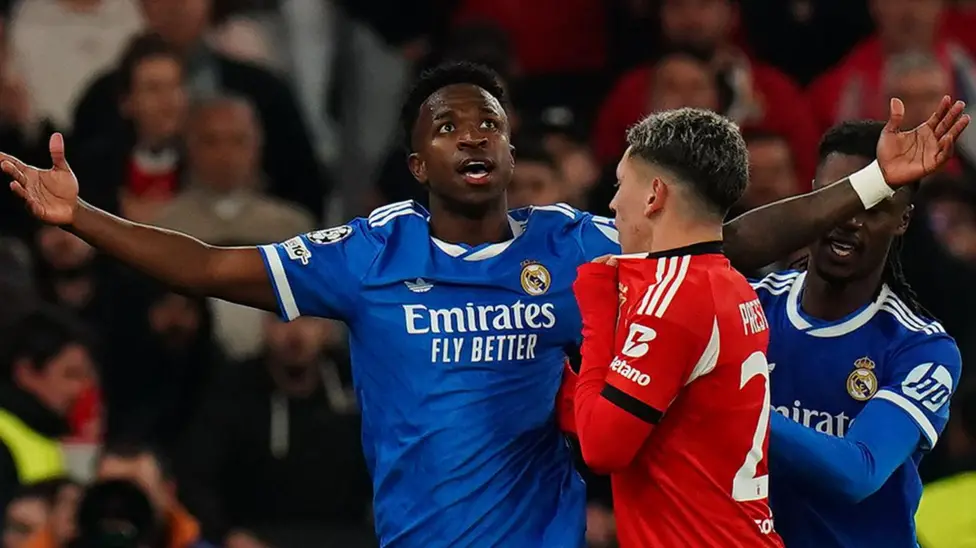
- Vinícius Júnior – La Liga & UEFA Champions League:
Vinícius has faced repeated racist abuse in Spain, including incidents at Mallorca (2022) and Camp Nou (2021). In February 2026, during Real Madrid’s clash with Benfica, he was allegedly racially abused by Gianluca Prestianni. UEFA halted the match for 10 minutes, and Prestianni was provisionally suspended pending an investigation. Vinícius has become a symbol of resistance against racism, but the abuse against him has intensified, reflecting both progress and backlash. - Tolu Arokodare – Premier League:
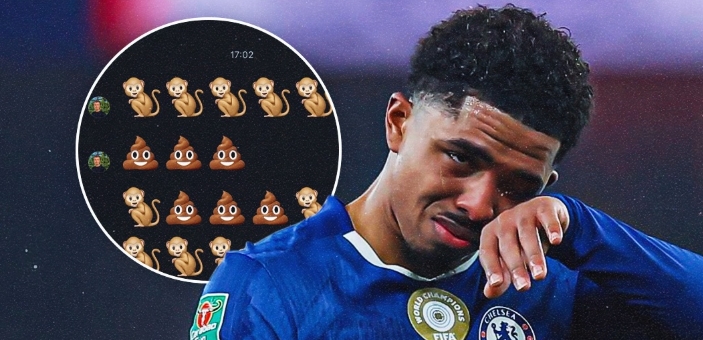
After missing a penalty in Wolves’ loss to Crystal Palace in February 2026, Arokodare was subjected to racist abuse online. Wolves provided him with psychological support, and the incident highlights ongoing challenges with online racism. Similar cases, such as Antoine Semenyo’s abuse in August 2025, show that online abuse continues to be a major problem.
The Response and Impact
Football authorities, including FIFA, UEFA, and domestic leagues, have taken more proactive measures in recent years. Matches are now halted when incidents occur, and stricter punishments are being enforced. However, the persistence of cases like Vinícius Júnior and Arokodare shows that football’s efforts alone cannot solve racism, as it is deeply rooted in wider society. Enforcement remains inconsistent, and punishments are often too lenient.
The Cultural and Structural Purge Needed
To address racism in football, a multi-layered approach is required:
- Cultural purge: Education must dismantle stereotypes and normalize diversity, starting from grassroots levels.
- Institutional purge: Governing bodies must implement zero-tolerance policies with automatic bans and suspensions.
- Digital purge: Social media platforms need stricter identity verification and instant bans for racist abuse.
- Leadership purge: Increased minority representation in leadership roles ensures diversity in decision-making.
- Fan purge: Supporter groups must take responsibility, rejecting members who engage in racist behavior.
Conclusion
Racism in football is deeply entrenched, but progress is possible. Through stronger enforcement, comprehensive structural changes, and a cultural shift, football can move closer to its goal of being a truly unifying sport. The fight is ongoing, but football has the power to drive change if it continues to expose, punish, and educate against racism.
Key Takeaways
- Successes: Awareness has increased, and campaigns like “Say No to Racism” have made racism a mainstream issue in football.
- Shortcomings: Online abuse remains rampant, and governing bodies are often slow to act, with inconsistent enforcement.
The purge against racism in football is not just about the game — it’s about pushing society toward a more inclusive future.
This is IDNN. Independent. Digital. Uncompromising.
