
A political alliance, not a personal bond
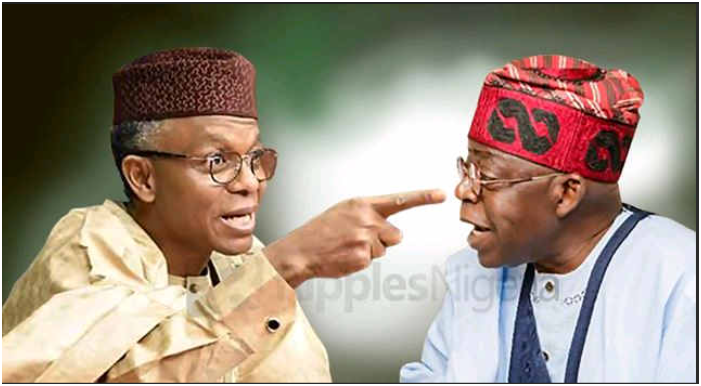
Former Kaduna governor Nasir El-Rufai has publicly distanced himself from any suggestion of a personal relationship with President Bola Tinubu, stating that his support in the 2023 presidential election was based solely on party principles.
Speaking in a televised interview, El-Rufai said he never shared a close friendship with Tinubu, contrasting it with what he described as his long-standing personal relationship with former President Muhammadu Buhari.
An arrangement shaped by party rotation
El-Rufai explained that his backing of Tinubu followed internal discussions within the All Progressives Congress, rooted in the understanding that power would rotate to the South after eight years of Buhari’s presidency.
“It wasn’t about Tinubu; he was merely an accidental beneficiary,” El-Rufai said, arguing that once Tinubu emerged as the party’s candidate, he was duty-bound to campaign vigorously for victory regardless of personal preference.
Where differences emerged
The former governor said tensions became apparent after the election, attributing them to contrasting views on governance and public service. He framed the divergence as philosophical rather than personal, suggesting that he and the president approach public leadership from fundamentally different perspectives.
El-Rufai also rejected the notion that defections of opposition governors to the ruling party would automatically weaken resistance ahead of 2027, pointing to electoral outcomes in Kaduna as evidence that incumbency does not guarantee victory.
A message aimed at 2027 politics
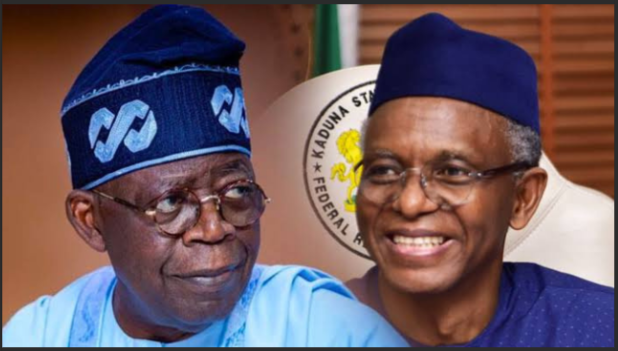
The remarks come amid shifting political alignments and early manoeuvring ahead of the next general election cycle. By clarifying the basis of his 2023 support, El-Rufai appears to be recalibrating his political positioning without formally severing party ties.
His comments underscore broader conversations within the APC about internal cohesion, ideology and the direction of governance under Tinubu’s administration.
What the recalibration could signal
If El-Rufai’s stance reflects wider unease within sections of the ruling party, it may foreshadow internal contestation as 2027 approaches. If it remains an isolated position, it could serve primarily as a personal repositioning exercise.
Either way, the distinction between political loyalty and personal allegiance now sits at the centre of an evolving power equation within the APC.
This is IDNN. Independent. Digital. Uncompromising.

Makinde Breaks Ranks: Atiku’s Coalition Move Not Backed by PDP, Sparks Internal Showdown