
A hard line drawn at December
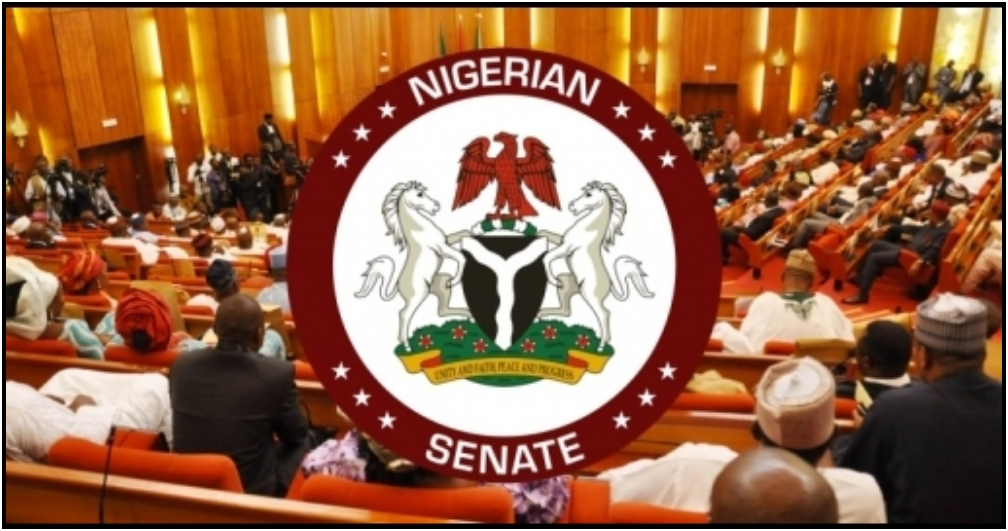
The Senate has warned ministries, departments and agencies that the era of rolling budgets into the new year is coming to an end. Speaking at a public hearing on the 2026 Appropriation Bill, lawmakers said budget implementation would no longer be extended beyond December 31, arguing that repeated delays weaken planning and dilute accountability.
The message, senators said, is intended to restore credibility to Nigeria’s budgeting process.
Scrutiny promised on every line item
Chairman of the Senate Committee on Appropriations, Adeola Olamilekan, told participants that the 2026 budget would be subjected to unusually strict examination. He warned that agencies benefiting from service-wide votes without clear accountability would face tougher questions.
Every expenditure item, he said, would be assessed to determine value for money and alignment with national priorities.
Deficit pressures shape the debate
Olamilekan acknowledged that Nigeria’s proposed 2026 budget carries a significant deficit, raising concerns about fiscal sustainability. He said revenue inflows remain irregular, complicating government planning and forcing difficult trade-offs.
“If we project ₦5 trillion in a month, we may only realise ₦1 trillion, but government must go on,” he said, stressing the need to balance discipline with continuity.
Debt service and the cost of delay
Lawmakers also highlighted the burden of debt servicing, noting that obligations inherited from previous administrations continue to constrain fiscal space. Olamilekan warned that failure to meet debt commitments could damage Nigeria’s standing with international institutions such as the World Bank and the IMF.
In that context, senators argued that timely budget implementation is critical to maintaining confidence and avoiding further pressure on borrowing costs.
Power subsidies and structural leaks
The electricity sector emerged as a recurring concern during the hearing. Senators described subsidies running into trillions of naira as a major drain on public finances, underscoring the urgency of reforms, including sector unbundling and improved efficiency.
They argued that without tackling structural leaks, tighter budget timelines alone would not deliver fiscal stability.

What this changes for MDAs
For ministries and agencies, the Senate’s stance signals a shift from tolerance to enforcement. Budgets that lapse at year-end could mean stalled projects and lost allocations, placing pressure on MDAs to plan, execute and report within fixed timelines.
Lawmakers said the goal is not punishment, but predictability — ensuring public funds translate into measurable outcomes within the fiscal year.
A test that begins in 2026
Whether the December deadline becomes a durable rule will depend on enforcement. If adhered to, it could mark a meaningful reset in fiscal governance. If breached, it risks joining a long list of budgetary promises overtaken by political convenience.
For now, the Senate has drawn a line — and the credibility of Nigeria’s next budget cycle will be judged by whether that line holds.
This is IDNN. Independent. Digital. Uncompromising.
