
Nigeria’s National Assembly has endorsed a proposal to create six new states across its geopolitical zones, a decision that could increase the country’s federating units from 36 to 42 if ratified.
The resolution, adopted at a two-day Lagos retreat, aims to address decades-old agitations over regional equity and representation, particularly in the South-East which currently has the fewest states.
The Politics of Expansion
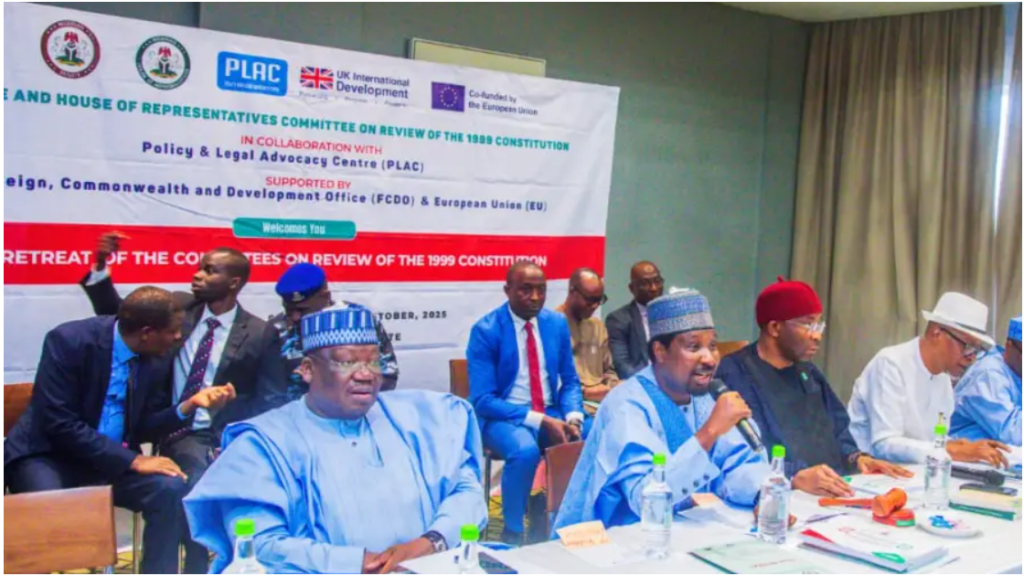
The committee’s move has ignited political debates nationwide, with governors and lawmakers lobbying for their regions to host the new entities. Proposed names include Anioma (Delta North), Ijebu, Ibadan, and Savannah, though final delineation will depend on a new sub-committee chaired by Senator Tahir Monguno.
Opportunity and Cost
While the plan is hailed as historic, critics warn it could deepen Nigeria’s fiscal burden, given rising governance costs and existing economic strain. Each new state will require fresh administrative and infrastructural setups, which analysts estimate could cost trillions in federal allocation restructuring.
Power Redistribution and Investment Angles
The new-state drive could reconfigure Nigeria’s investment geography, opening new capitals and governance centres ripe for infrastructure funding and private investment. It also refreshes the political terrain ahead of 2027, giving ambitious power blocs fresh platforms to negotiate influence.
This is IDNN. Independent. Digital. Uncompromising.
