
🟥 A Staple Turns Luxury as Prices Surge
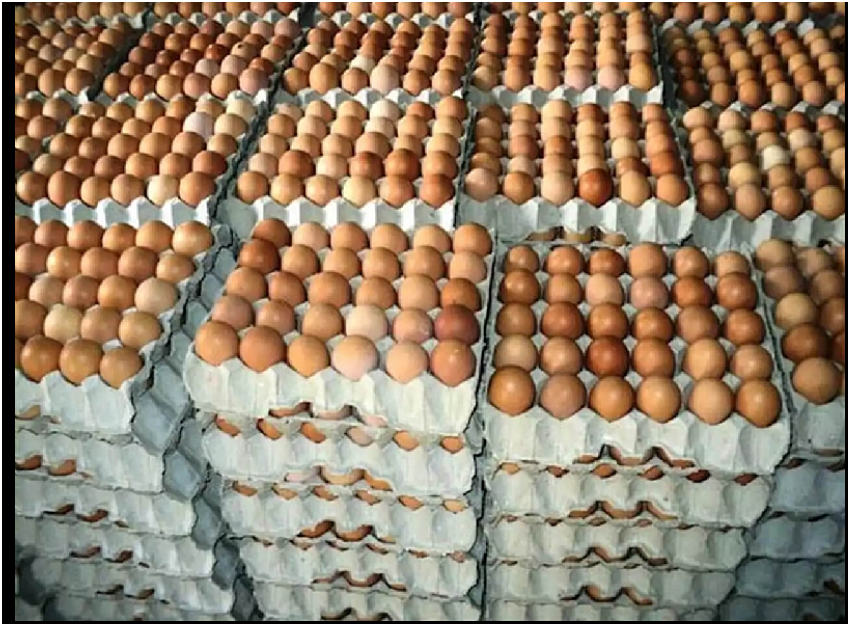
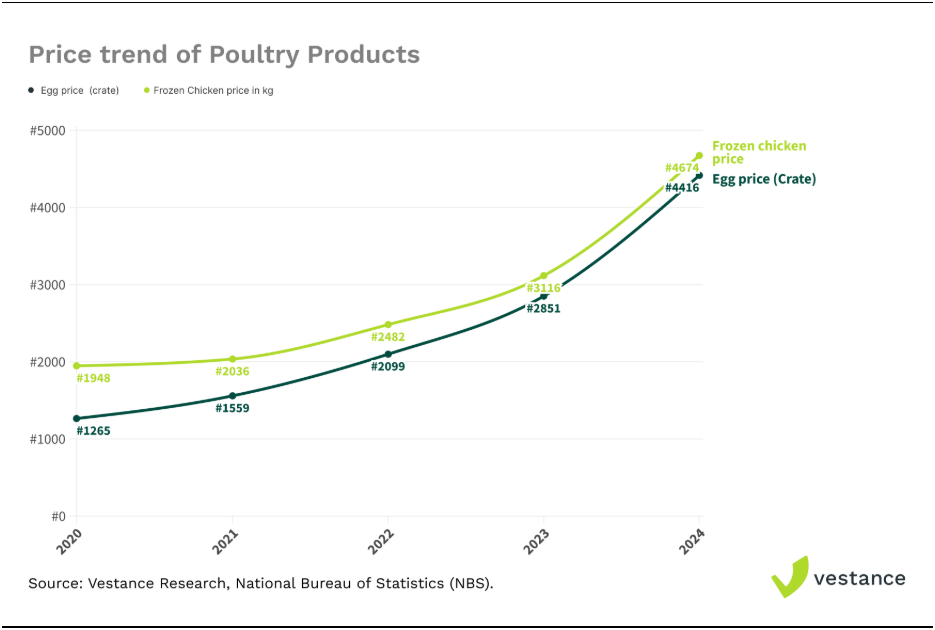
Egg prices in Nigeria have climbed sharply, with a crate now selling for as much as ₦8,500 in several markets, marking a new high in the country’s ongoing food inflation crisis.
Once considered an affordable source of protein for millions of households, eggs are increasingly becoming a luxury item as rising production costs continue to ripple through the supply chain.
The surge in egg prices in Nigeria reflects broader economic pressure, particularly within the agricultural sector, where poultry farmers are struggling to sustain operations.
🟧 Feed Costs and Inflation Drive the Crisis
At the centre of the poultry crisis is the escalating cost of feed, which accounts for a significant portion of production expenses.
Prices of maize and soybeans — key ingredients in poultry feed — have surged due to inflation, currency pressure, and supply challenges, forcing farmers to either raise prices or reduce output.
Industry operators say the situation has become unsustainable.
“We are barely breaking even. Many farmers are cutting down production or shutting down entirely,” a poultry farm operator in Abuja told IDNN.
This cost pressure is compounded by rising transportation expenses and energy costs, further tightening margins across the sector.
🟨 Production Drops, Supply Tightens
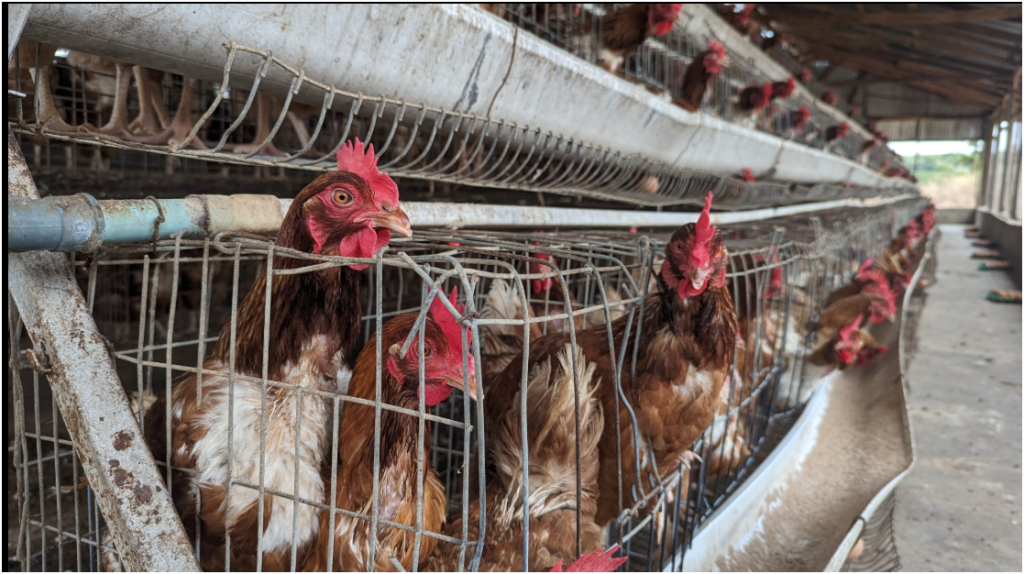
As more poultry farms scale down operations, egg supply across markets is shrinking, intensifying the price surge.
Traders report inconsistent supply and frequent price adjustments, with some markets witnessing weekly increases.
The poultry crisis is not isolated. It reflects a wider strain across Nigeria’s food production system, where input costs continue to rise faster than output capacity.
👉 Fewer eggs → Higher prices
🟦 Households Feel the Pressure
For consumers, the impact is immediate and severe.
Eggs, once a daily staple in many Nigerian homes, are now being rationed or substituted as families adjust to rising costs.
The spike in egg prices in Nigeria adds to existing pressure from increases in other food items, deepening concerns over affordability and nutrition.
With inflation already eroding purchasing power, the situation underscores the vulnerability of households to food price shocks.
🟪 What This Means for Nigeria’s Food Economy
The poultry crisis raises broader questions about food security, agricultural sustainability, and policy intervention.
Experts warn that without targeted support for farmers — including access to affordable feed, financing, and infrastructure — the sector could face prolonged instability.
The continued rise in egg prices in Nigeria signals a structural challenge that may require coordinated government and private sector response to stabilise production and protect consumers.
If the poultry crisis continues unchecked, egg prices in Nigeria may climb even higher — turning one of the country’s most accessible protein sources into a long-term affordability crisis with deep social and economic consequences.
This is IDNN. Independent. Digital. Uncompromising.
