
A downgrade that didn’t scare everyone away
JP Morgan has expressed confidence in Afreximbank bonds, pushing back against market jitters triggered by a recent Fitch Ratings downgrade of the African trade finance institution.
The investment bank said its assessment reflects Afreximbank’s role in regional trade financing and its strategic importance to African economies, even as global investors remain cautious toward emerging market debt.
Why Fitch pulled the trigger
Fitch Ratings downgraded Afreximbank, citing concerns linked to sovereign exposure, balance-sheet pressures, and heightened risks associated with lending to governments facing fiscal strain.
The agency noted that while Afreximbank maintains strong policy relevance, the operating environment for multilateral and development lenders has become more complex as global interest rates remain elevated.
JP Morgan’s counter-view from the markets
JP Morgan analysts argued that the downgrade does not fully capture Afreximbank’s capital buffers, preferred creditor status, and its ability to mobilise liquidity during periods of market stress.
They added that Afreximbank bonds continue to offer value for investors willing to differentiate between institutional risk and sovereign balance-sheet challenges across Africa.
Why Afreximbank sits at the centre of the debate
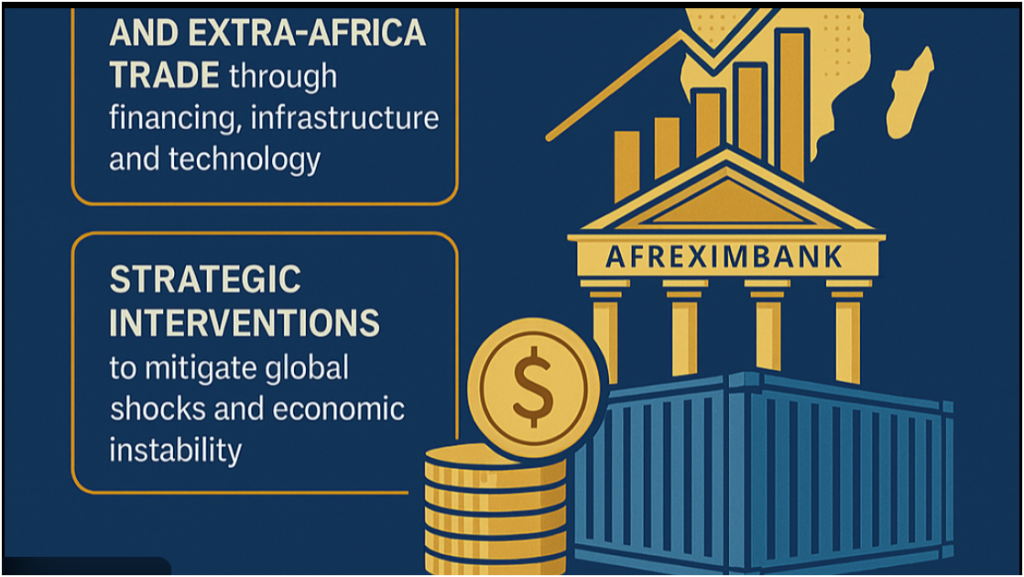
Afreximbank has played a key role in financing trade flows, balance-of-payments support, and crisis-response facilities for African countries, particularly during recent economic shocks.
That positioning has made the institution both strategically important and increasingly exposed, placing it at the intersection of development finance, sovereign risk, and global capital market sentiment.
What this says about Africa risk perception right now
This divergence between rating agencies and market analysts reflects a broader tension in how African risk is priced—between structural caution and selective confidence driven by institutional roles rather than headline sovereign metrics.
IDNN is running this story in the Morning Wake to ground early-day economic discourse in how global capital interprets African financial institutions, beyond single-rating actions, and to track whether market confidence is shifting faster than agency assessments.
Where the pressure builds if sentiment turns
If investor backing weakens or rating pressure intensifies, Afreximbank could face higher borrowing costs, narrowing its ability to support trade and liquidity across Africa—raising wider questions about how development finance adapts in a tighter global credit cycle.
This is IDNN. Independent. Digital. Uncompromising.
