
🟥 Obi Raises Alarm — Security Situation Under Scrutiny
Peter Obi has ignited a fresh national conversation after criticising Nigeria’s security situation, warning that worsening insecurity continues to undermine public confidence and economic stability.
Speaking in a recent public intervention, the former presidential candidate questioned the effectiveness of current strategies, arguing that the scale and persistence of attacks across multiple regions demand urgent, coordinated policy action.
His remarks arrive at a time when security concerns—from banditry to communal clashes—remain dominant in public discourse.
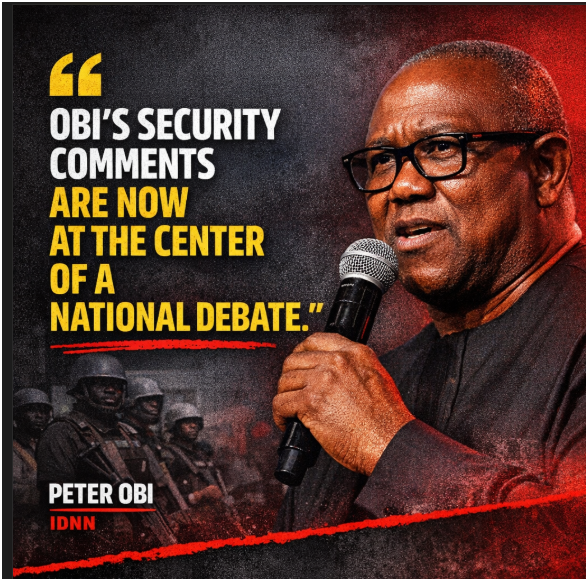
🟨 Political Reactions Emerge — Support and Pushback Build
The Peter Obi security criticism has not gone unchallenged.
Government-aligned voices have defended ongoing security operations, insisting that progress is being made despite complex national threats. However, opposition figures and civil society actors have echoed Obi’s concerns, describing the situation as requiring stronger accountability and clearer results.
The divide reflects a broader political fault line: whether current security efforts are sufficient—or fundamentally inadequate.
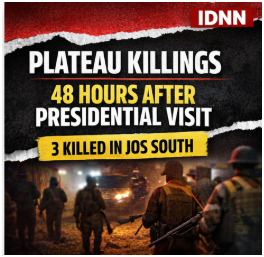
🟥 National Anxiety Deepens — Citizens Demand Clear Direction
Across the country, public sentiment continues to tilt toward frustration.
Rising reports of insecurity in both urban and rural areas have heightened fear among citizens, with many questioning the state’s capacity to guarantee safety. Analysts note that such concerns often translate into political pressure, particularly when high-profile figures amplify the issue.
Obi’s intervention has therefore moved beyond a single statement—it has become part of a growing narrative about governance, trust, and national stability.
Why This Story Matters Now
Security remains one of Nigeria’s most critical governance indicators.
When influential political actors like Obi publicly challenge the status quo, the impact extends beyond immediate headlines. It feeds into:
- policy scrutiny
- opposition positioning
- public expectation cycles
In the Blackfire cycle, such moments are Rising → Peak narratives, meaning they are likely to generate follow-up stories, reactions, and policy responses within hours or days.
Pressure Shifts to Government Response
The immediate consequence of the Peter Obi security criticism is clear:
👉 The burden of response now shifts to the federal government
Whether through policy clarification, operational updates, or political rebuttal, authorities will be expected to address both the substance of the criticism and the broader public concern it represents.
Failure to respond decisively risks deepening the perception gap between official assurances and lived reality.
This is IDNN. Independent. Digital. Uncompromising.
