
Nigeria’s foreign policy system is under intense spotlight as President Bola Tinubu’s newly submitted ambassadorial list triggers nationwide debate. What began as routine diplomatic nominations has now spiralled into a Tinubu ambassadorial list outrage, fuelling concerns about political rewards, electoral credibility and institutional trust.
Presidential aide Ademola Oshodi mounted a vigorous defence on Channels Television, insisting political appointments are normal worldwide.
“Whether it’s Donald Trump sending his friends as ambassadors, or Britain posting Peter Mandelson—this is the nature of diplomacy,”
Oshodi said.

Tinubu Ambassadorial List Outrage: Critics Warn of Dangerous Precedent
The African Democratic Congress (ADC) condemned the nomination of former INEC Chairman Mahmood Yakubu, calling it “embarrassingly insensitive.”
Spokesperson Bolaji Abdullahi argued that appointing Yakubu so soon after a contentious election risks rewarding electoral umpires, eroding trust and incentivising future bias.
He warned:
“This blurs the line between referees and players.”
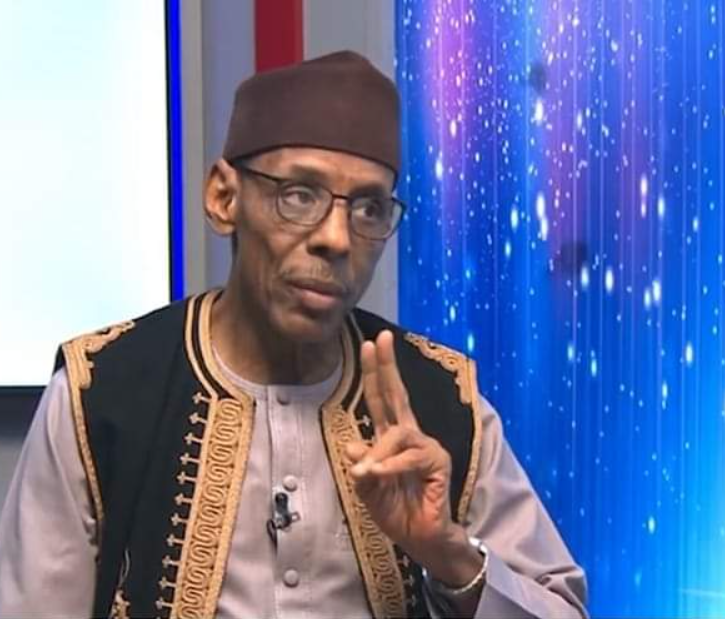
Political commentator Hakeem Baba-Ahmed also demanded rigorous Senate scrutiny, noting that some nominees face unresolved allegations that must not be overlooked.
With 32 nominees on the list—including Reno Omokri, Femi Fani-Kayode and Ifeanyi Ugwuanyi—the controversy spans political, diplomatic and civil society circles.
Governance × Diplomacy × Public Trust
The Presidency insists Tinubu alone carries the mandate to choose envoys and that the selection reflects “what is best for the administration.” But for critics, the nominations risk entrenching a culture where diplomatic posts appear as compensation for political loyalty.
Oshodi stressed:
“We voted for a president, and we voted for him to make decisions.”
Despite the pushback, Senate confirmation hearings are expected to proceed, setting up what could become one of the most combative diplomatic vettings in years.
This is IDNN. Independent. Digital. Uncompromising.
