
A security alert ripples through Abuja
The US Embassy cancels Abuja visa appointments scheduled for Wednesday, March 4, citing a heightened risk of protests linked to the escalating conflict between the United States and Iran. The embassy’s security advisory warned American citizens living in Nigeria’s capital to remain indoors as a precaution.
The decision follows growing geopolitical tensions after reports that Iran’s Supreme Leader, Ayatollah Ali Khamenei, died following airstrikes allegedly carried out by the United States and Israel, a development that has dramatically intensified the regional crisis.
In its notice, the embassy cautioned that past demonstrations in Nigeria have sometimes led to violent confrontations between protesters and security forces, prompting the temporary suspension of visa services in Abuja.
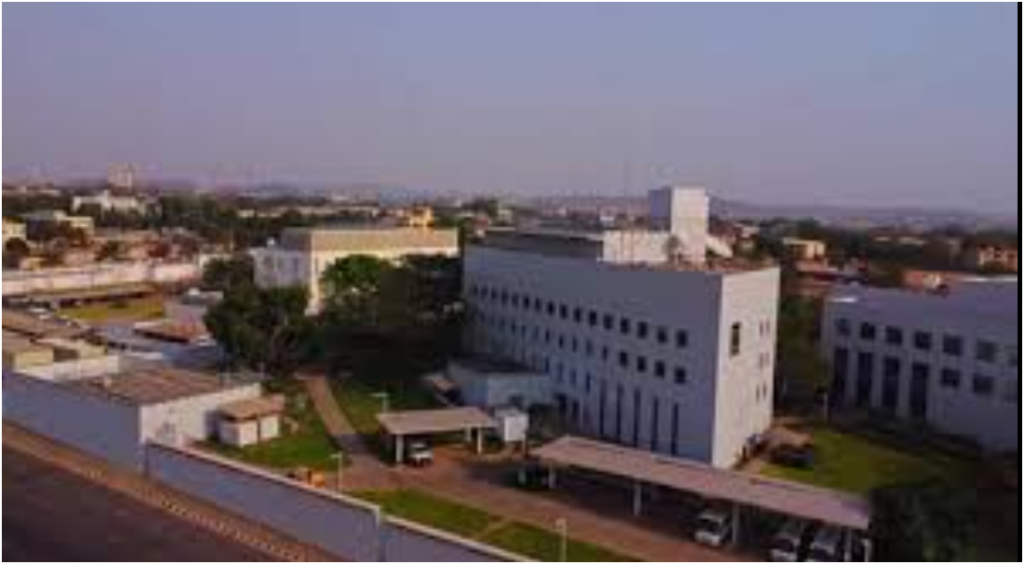
Conflict abroad begins shaping local security
According to the embassy, the cancellation applies only to visa interviews scheduled for the day, with affected applicants expected to receive instructions on rescheduling.
While routine visa processing was paused, the mission clarified that consular sections in Abuja and Lagos remain operational for essential services, signalling that the move is a targeted security precaution rather than a broader diplomatic shutdown.
American citizens were advised to avoid protest areas, maintain a low profile, and stay alert in public spaces such as shopping centres, transport hubs and places of worship.
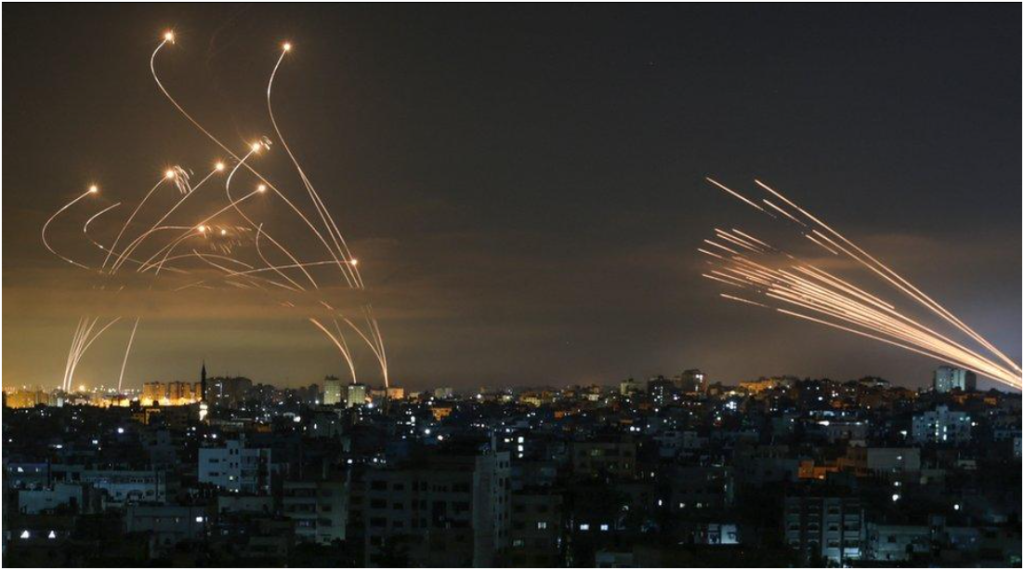
A regional war begins echoing globally
The embassy’s warning comes as the conflict between Washington and Tehran enters a volatile phase. Iranian media reported that the death of senior Iranian leaders triggered retaliatory missile launches targeting US military installations in Gulf countries, including Saudi Arabia.
Several Gulf states have intercepted incoming missiles and drones, while regional authorities warn that debris and secondary explosions have caused fires and casualties in some areas.
The escalation has rattled global markets and heightened fears that a broader Middle East confrontation could disrupt energy supply routes and international travel corridors.
The hidden pressure on diplomatic missions
Security analysts note that embassies often adjust operations rapidly when global conflicts raise the risk of local protests, particularly in cities with significant diplomatic presence.
In Abuja, foreign missions monitor political demonstrations closely because international conflicts can quickly trigger solidarity protests or ideological demonstrations, especially where religious or geopolitical affiliations are involved.
The embassy’s guidance urging Americans to enrol in the Smart Traveler Enrollment Program (STEP) also reflects standard diplomatic protocol during international crises, enabling real-time security alerts and evacuation guidance if necessary.

08112935565, 08161558757
Nigeria already seeing ripple effects
Early signs of the conflict’s impact have already appeared within Nigeria.
Members of the Islamic Movement in Nigeria (IMN), widely known as Shi’ites, staged protests in some northern states condemning the reported killing of Iran’s Supreme Leader.
Although those demonstrations were described as peaceful, the embassy warned that similar protests could emerge in Abuja, a city hosting numerous foreign diplomatic missions and international institutions.
A fragile global moment takes shape
The conflict, which reportedly began with coordinated US-Israeli strikes against Iranian targets, has entered its fifth day without signs of immediate de-escalation.
As missiles continue to be exchanged and diplomatic tensions deepen, governments worldwide are issuing travel warnings and adjusting embassy operations.
For diplomatic missions like the one in Abuja, the calculation is simple: even distant wars can create immediate local security risks.
What happens if tensions keep rising
If the confrontation between Washington and Tehran escalates further, embassies across multiple regions may tighten security measures, restrict services, or issue broader travel advisories.
Such steps are not merely symbolic. They reflect how quickly geopolitical conflicts can ripple across borders, shaping local security environments, disrupting international travel, and forcing diplomatic missions to balance routine operations with the safety of their citizens.
For now, the cancelled visa appointments in Abuja are a precautionary measure — but they also underline how a conflict thousands of kilometres away is already altering the rhythm of everyday diplomacy.
This is IDNN. Independent. Digital. Uncompromising.
