
Energy & Labour Desk
At the 31st Nigerian Economic Summit in Abuja, Vice President Kashim Shettima described the labour dispute between the Dangote Refinery and the Petroleum and Natural Gas Senior Staff Association of Nigeria (PENGASSAN) as a “minor issue” that must not hold the nation hostage.
The clash, triggered by the dismissal of 800 Nigerian engineers at the refinery, had paralysed parts of the oil sector and disrupted gas distribution before federal intervention restored operations.
“This refinery was built to salvage our economy. Nigeria is greater than PENGASSAN. Nigeria is greater than each and every one of us,” Shettima said.
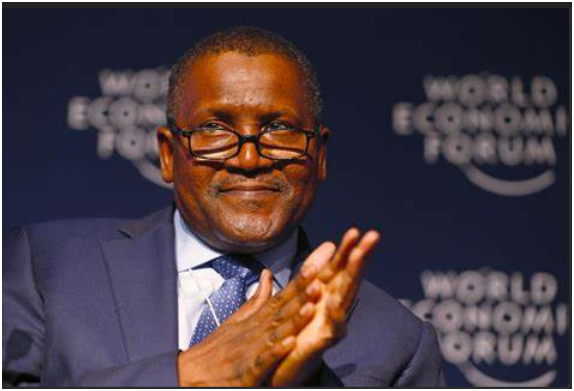
He lauded Aliko Dangote’s “patriotic investment choice” in building Africa’s largest single-train refinery at home instead of abroad.
⚡️ THE LABOUR FIRESTORM
- Strike led to a loss of 200,000 barrels per day and cut power generation by 1.2MW.
- Federal mediation restored normalcy after Dangote agreed to redeploy affected staff.
- PENGASSAN vowed to repeat the strike if members are victimised again.
- Protesters in Kaduna staged solidarity marches backing the refinery.
- NUPENG labelled Senator Oshiomhole the “Judas Iscariot” of unionism for supporting management.
WHY IT MATTERS
The dispute transcends labour rights. It underscores Nigeria’s fragile balance between industrial protection and investor confidence.
The Dangote Refinery — a $20 billion private venture producing 650,000 barrels daily — is seen as a cornerstone of Nigeria’s self-sufficiency drive. Yet the strike exposed deep distrust between the workforce and management over job security, union recognition, and fair practice.
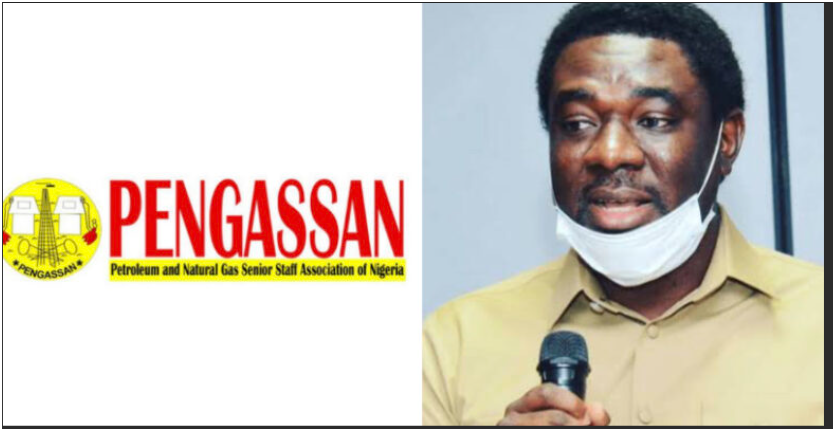
PENGASSAN President Festus Osifo countered Shettima’s remark, saying:
“Yes, Nigeria is bigger than PENGASSAN, but it’s also bigger than Dangote and the Presidency. We will always defend workers’ rights.”
Meanwhile, NUPENG’s leadership accused the Vice President of “corporate elitism,” calling his defence of Dangote a “betrayal of working-class solidarity.”
POLITICAL AND ECONOMIC RIPPLE
Economists say the crisis briefly dented Nigeria’s refining optimism, costing billions in deferred crude output. The intervention by security chiefs and the National Security Adviser stabilised operations, but analysts warn of lingering mistrust that could deter technical experts from returning to local plants.
The Kaduna protests, branded “National Unity Against Sabotage,” framed the crisis as a patriotic battle to protect local refining from “import cartels.” It signalled how economic nationalism and labour politics are colliding in the country’s reform era.
💰 — STAKEHOLDERS & WINNERS
- Winners: Dangote Refinery (restored operations), federal image for quick mediation, investors reassured of stability.
- Losers: PENGASSAN’s public perception, short-term energy supply, and Nigeria’s union credibility abroad.
- Watch Zone: Potential review of union rights in critical infrastructure sectors.
This is IDNN. Independent. Digital. Uncompromising.
