
The Nigeria Police Force has justified its decision to move human rights activist and publisher Omoyele Sowore to the Kuje Correctional Centre shortly after he was granted bail by a Magistrate’s Court on Friday.
Police spokesman Benjamin Hundeyin said the transfer was “in full compliance with the remand warrant,” rejecting allegations of brutality.
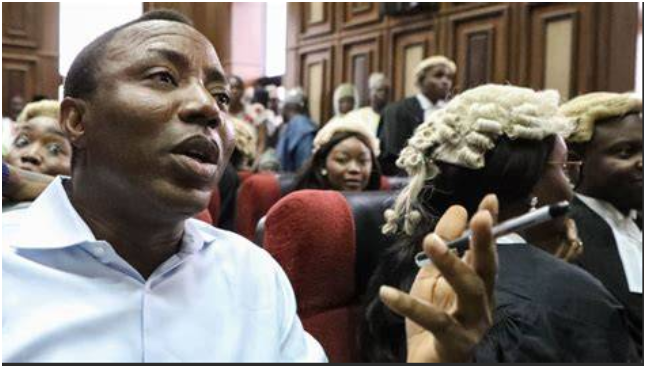
Witnesses, however, described a chaotic scene as over 50 armed officers stormed the court, allegedly beating Sowore and tearing his clothes before whisking him away. Deji Adeyanju, another activist, accused police of “turning the court into a combat zone.”

The Fragile Line Between Law and Power
Sowore’s case illustrates Nigeria’s recurring dilemma: when enforcement becomes domination. The arrest, linked to the #FreeNnamdiKanuNow protest, underscores the uneasy balance between national security narratives and the constitutional right to dissent.
For rights advocates, the re-arrest sends a chilling message that court orders are conditional on state convenience. For the police, it reasserts institutional control.
The System on Trial
The National Human Rights Commission has called for “immediate clarification” from the authorities, while civil groups warn that “judicial spaces are becoming unsafe for citizens.”
International observers, including Amnesty International, noted that the “recurrence of violent arrests in courtrooms reflects the shrinking civic space in Africa’s largest democracy.”
Justice as a Brand, Rights as Optics
Nigeria’s justice image is its soft power currency. Every courtroom spectacle costs millions in diplomatic reputation and investor confidence. For a country courting global goodwill, the perception of state aggression could prove as damaging as inflation itself.
This is IDNN. Independent. Digital. Uncompromising.
