
By IDNN Politics Desk
Ohanaeze Challenges New York Times Narrative
The apex Igbo socio-cultural organisation, Ohanaeze Ndigbo, has cautioned The New York Times against what it called the dissemination of unsubstantiated claims linking Igbo individuals to intelligence used by the United States for airstrikes in Nigeria.
In a statement issued in Abakaliki, Ohanaeze said such reports could inflame ethnic suspicion and deepen divisions, particularly in northern parts of the country where insecurity has already strained communal relations.
Disputed Claims Over Intelligence Sources
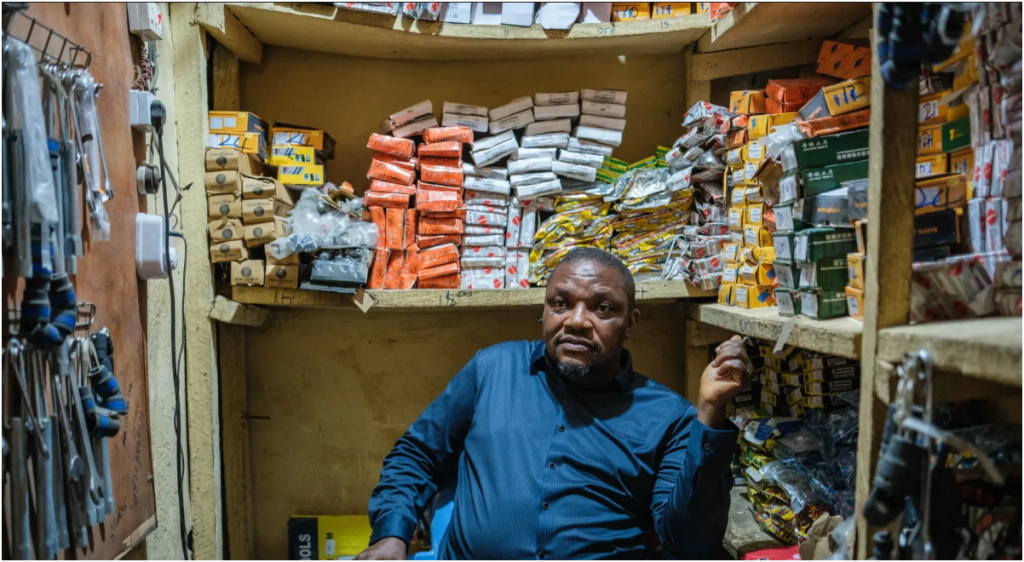
The warning followed a New York Times investigation that examined how information supplied by a Nigerian civil liberties activist Emeka Umeagbalasi was cited by U.S. lawmakers to support claims of widespread religious persecution, which later influenced policy debates in Washington.
Ohanaeze rejected any suggestion that Igbo individuals played a role in providing intelligence for military action, insisting that the portrayal was misleading and historically dangerous.
Concerns Over Media Ethics and Verification
According to the group, framing Nigeria’s complex security crisis along rigid religious or ethnic lines risks obscuring broader governance and security failures.
Security analysts have similarly warned that reliance on secondary data, advocacy reports, and assumptions about victims’ identities can distort international understanding of conflict dynamics in Nigeria.
Government and Diplomatic Sensitivities
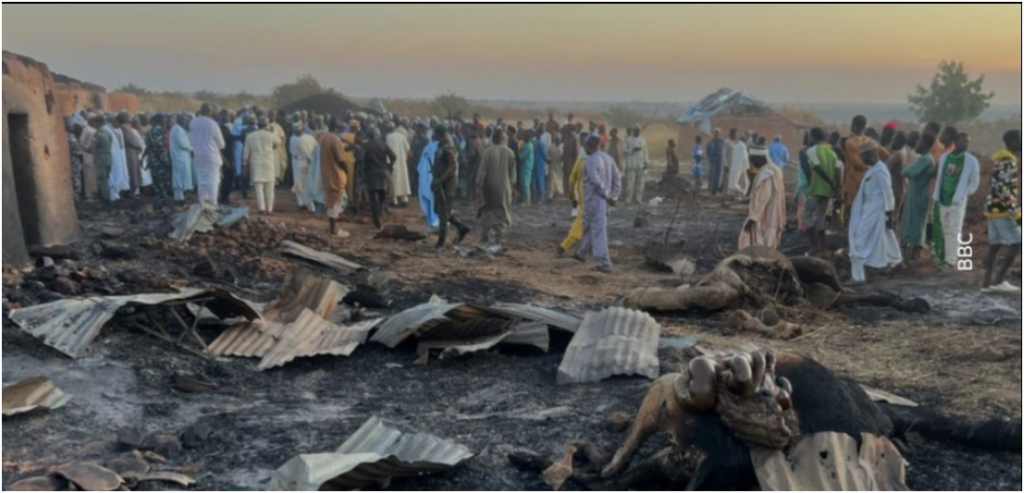
Nigerian officials have repeatedly denied the existence of systematic religious persecution, arguing that armed violence affects communities across faith and ethnic lines. Authorities say inaccurate reporting could complicate diplomatic engagements and undermine counterterrorism cooperation.
Ohanaeze called on international media organisations to apply rigorous verification standards and to avoid narratives that could trigger unintended consequences.
Call for Retraction and Accountability
The group demanded a retraction of the disputed claims and an unreserved apology, stressing that Nigeria’s fragile social fabric requires responsible reporting rather than sensational conclusions.
As debates continue over the role of advocacy data in shaping foreign policy, the controversy has renewed scrutiny on how global media outlets report conflicts in diverse societies.
This is IDNN.
Independent. Digital. Uncompromising.
