
Tinubu’s Fuel Policy Shock
President Bola Ahmed Tinubu’s approval of a 15% ad-valorem import duty on petrol and diesel has set off ripples through Nigeria’s already fragile downstream oil sector. The new levy, which applies to the cost, insurance, and freight (CIF) value of imported fuel, aims to curb import dependence and accelerate local refining capacity.
“Marketers will bleed; consumers will suffer. The policy timing is wrong.”
— Chinedu Ukadike, IPMAN Spokesperson
The directive followed a memo by Federal Inland Revenue Service (FIRS) Chairman Zacch Adedeji, who said the tariff aligns “import costs with domestic realities” and supports fiscal sustainability under the Renewed Hope Agenda.
Industry Split Between Protection and Panic
While the presidency insists the duty is a “bridge, not a burden,” reactions from oil marketers and economists reveal deep division.
Independent Petroleum Marketers Association of Nigeria (IPMAN) spokesperson Chinedu Ukadike warned that the new import duty could push fuel prices “beyond the psychological ₦1,000 mark,” worsening inflation and reducing consumer spending.
“This is going to increase the price of petroleum products at the pump,” he said. “Instead of favouring a few, the government should expand refinery licenses and support competition.”
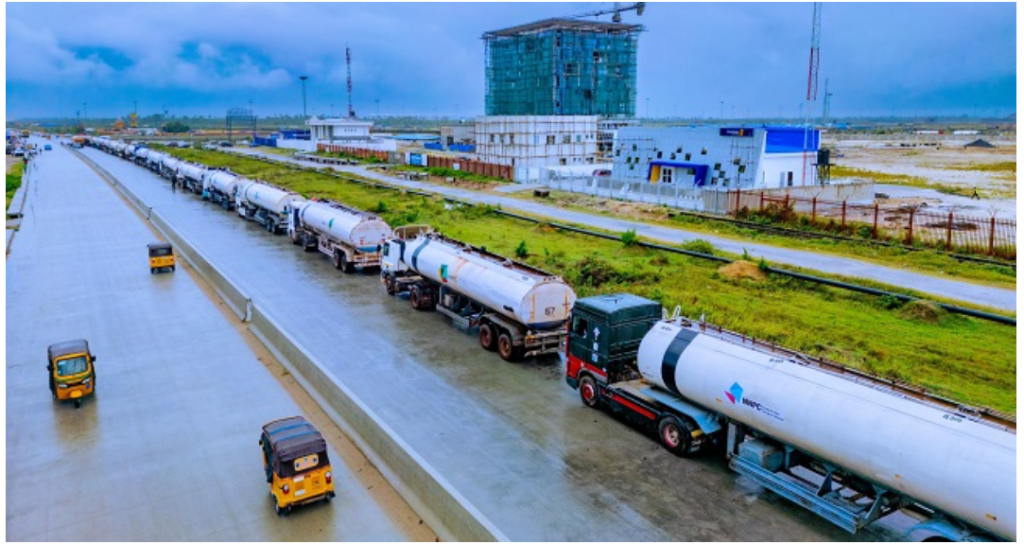
Conversely, Femi Otedola hailed the policy as “bold and visionary,” arguing that it will protect billions invested in local refineries like Dangote’s 650,000 bpd complex.
“We cannot allow history to repeat itself. Cheaper imports destroyed our textile and assembly industries. This step will protect domestic investment and sustain a stable energy market,” Otedola wrote on X.
Economic analysts such as Paul Adams of Nasarawa State University called it “a double-edged reform” — beneficial for industrial policy, but painful in the short term.
“The tariff will tighten margins and raise logistics costs,” Adams noted. “However, it signals a clear intent to build an import-independent fuel economy.”
Policy at Crossroads
- Pump Price Risk: Analysts project petrol could cross ₦1,000 per litre if importers shift costs to consumers.
- Refinery Monopoly Fear: Independent marketers fear Dangote Refinery could dominate supply in the absence of policy balance.
- Inflation Trigger: Economists warn of renewed inflationary pressure even as food prices begin to stabilise.
- Investor Confidence: Otedola and other industrialists say the move offers long-term protection for domestic energy investors.
Balancing Industry Protection with Public Pain
Nigeria’s energy policy now faces its toughest balancing act: defending local investment without crushing consumer confidence.
As the government pushes for full deregulation, the new tariff may serve as the stress test of Tinubu’s industrial vision — one that rewards producers, but punishes commuters.
If inflation spikes again, pressure could mount for a partial rebate or targeted subsidy return — a policy circle Nigeria hoped it had broken.
