
The Shock Post That Rattled Abuja
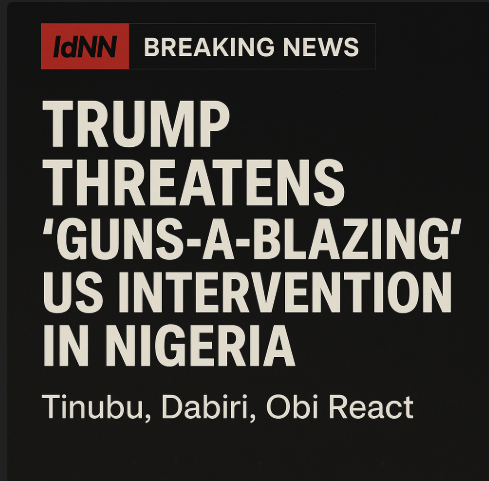
Former U.S. President Donald Trump reignited controversy at the weekend with a post on his Truth Social platform, alleging Nigeria’s government “allows the killing of Christians” and threatening to “go in guns-a-blazing.”
The remarks, amplified by conservative U.S. media and evangelical lobbyists, coincided with calls from Capitol Hill to redesignate Nigeria a “Country of Particular Concern” (CPC).
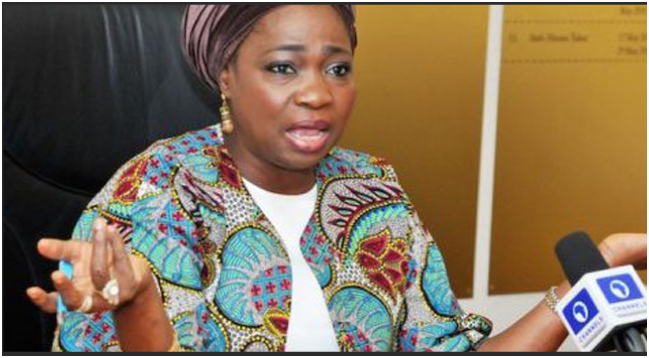
“The perception is definitely not true. What Nigeria needs is support, not denigration.”
— Abike Dabiri-Erewa, NIDCOM Chair
Trump’s outburst immediately drew condemnation across Abuja, with the presidency dismissing it as “reckless and uninformed.”
Evangelical Politics and Nigeria’s Diplomatic Tightrope
Analysts tie Trump’s comments to pressure from America’s right-wing Christian base ahead of the 2026 U.S. mid-cycle. His declaration placed Nigeria back in Washington’s culture-war spotlight, complicating relations just as Tinubu seeks deeper economic and security cooperation.
“Nigeria stands firmly as a democracy governed by constitutional guarantees of religious liberty.”
— President Bola Ahmed Tinubu
Chairman of the Nigerians in Diaspora Commission (NIDCOM) Abike Dabiri-Erewa dismissed the claim as “false and unfair,” urging Trump to back Nigeria’s anti-terror fight rather than “falsely denigrate our country.”
She noted that both Tinubu and the Foreign Affairs Ministry had already responded formally to the U.S. classification.
“There are issues with evil terrorists in some parts of the country, no doubt,” Dabiri wrote on X. “What @POTUS needs to do is support the efforts of our government in quashing them.”
Peter Obi described Trump’s remarks as “disturbing and avoidable,” blaming Nigeria’s leadership vacuum for fueling the narrative of chaos that foreign critics now exploit.
Global Optics and Domestic Reality
- Diplomatic Rebuttal: Tinubu reaffirmed that Nigeria is a secular democracy with constitutional guarantees for freedom of worship.
- Human-Rights Context: Experts note most conflicts labelled “religious” stem from resource and land disputes between herders and farmers rather than state-sponsored persecution.
- Security Snapshot: Boko Haram and bandit attacks affect both Muslim and Christian communities; kidnappings for ransom remain Nigeria’s largest non-political threat.
- Foreign-Policy Ripple: The U.S. State Department has yet to endorse Trump’s comments, but lobbyists are using them to pressure Congress for sanctions and arms restrictions.
Faith, Politics and Perception Economy
Nigeria’s image management now sits at the crossroads of faith and foreign policy. Analysts warn that if Washington adopts a harsher stance, aid flows and investment insurance could tighten.
Public-relations experts urge Abuja to expand engagement with faith leaders abroad and highlight inter-religious peace initiatives to counter the “CPC label shock.
