
A leadership clock already in motion
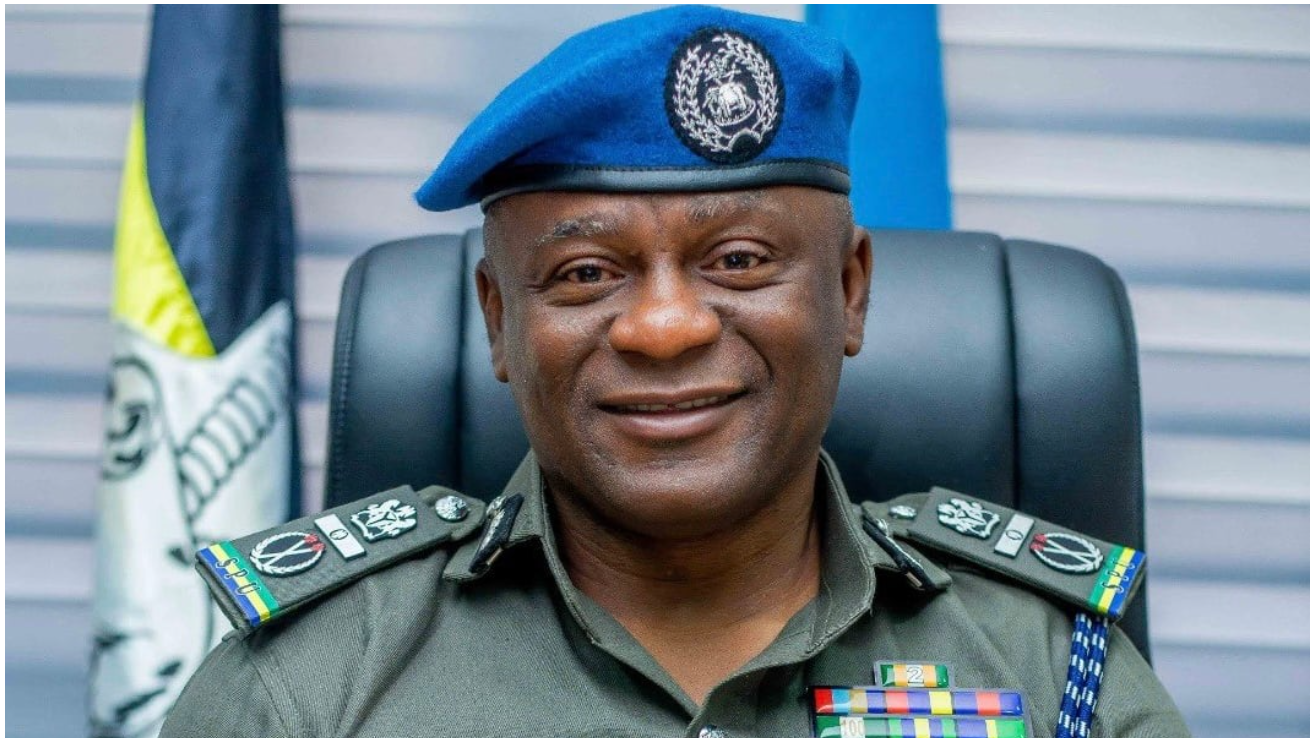
The IGP retirement tension intensified almost immediately after President Bola Tinubu appointed Tunji Disu as Acting Inspector-General of Police. While the leadership change closed one chapter, it opened another — a statutory timeline that could reshape the Nigeria Police Force within weeks.
Under existing law, police officers retire at 60 years of age or after 35 years of service, whichever comes first.
Disu turns 60 in April 2026.
The rule that sparked the last controversy
The retirement framework became politically charged during the tenure of former IGP Kayode Egbetokun, who reached the age threshold while in office.
At the time, amendments to the Police Act allowed an appointed Inspector-General to complete a fixed four-year tenure regardless of age. Supporters described it as continuity protection. Critics called it personalised legislation.
Now, the same legal architecture hovers over Disu’s appointment.

Three pathways the system could take
The unfolding IGP retirement tension presents distinct institutional options.
Strict enforcement: Disu retires in April 2026, prompting another appointment cycle almost immediately.
Tenure extension logic: The four-year tenure principle applies again, allowing him to remain beyond statutory age.
Transitional stewardship: Disu serves briefly while a longer-term successor emerges through formal council and Senate confirmation processes.
Each path carries different implications for credibility, stability, and precedent.
Where the real shockwave could land
Beyond the retirement date lies a deeper structural issue.
In police tradition, when a junior officer is elevated to IGP, senior Deputy Inspectors-General and Assistant Inspectors-General above him in rank often exit the service. The practice preserves command hierarchy and prevents rank inversion.
If applied strictly, multiple senior officers could retire in quick succession.
That possibility raises concerns about sudden leadership compression, operational memory loss, and command restructuring at a time of heightened security pressures nationwide.

A system under institutional stress
Nigeria is navigating kidnapping spikes, counter-terror operations, and ongoing recruitment of 50,000 constables scheduled for screening in March 2026.
Rapid leadership turnover at the apex of the Force could complicate reform sequencing, deployment strategy, and morale management across commands.
The IGP retirement tension therefore extends beyond one individual’s birth date. It tests how statutory rules, legislative precedent, and security stability intersect under political scrutiny.
The decision that will define continuity
In the coming weeks, the Nigeria Police Council and the Senate will determine whether Disu’s appointment evolves into a stable tenure or becomes an interim bridge.
The choice will signal how Nigeria balances legal orthodoxy with operational continuity — and whether the Police Force enters a period of consolidation or renewed succession uncertainty.
For now, the clock is visible.
And the system must decide how to respond to it.
This is IDNN. Independent. Digital. Uncompromising.
