
A blunt line that cut through sentiment
Nigeria’s Minister of Health and Social Welfare, Ali Pate, has said prayers alone will not fix Nigeria’s struggling healthcare system, stressing that real progress depends on policy discipline, investment, and effective governance.
Speaking at a public forum on health sector reform, Pate said while faith remains important to many Nigerians, it cannot substitute for functional hospitals, trained personnel, and reliable health financing.
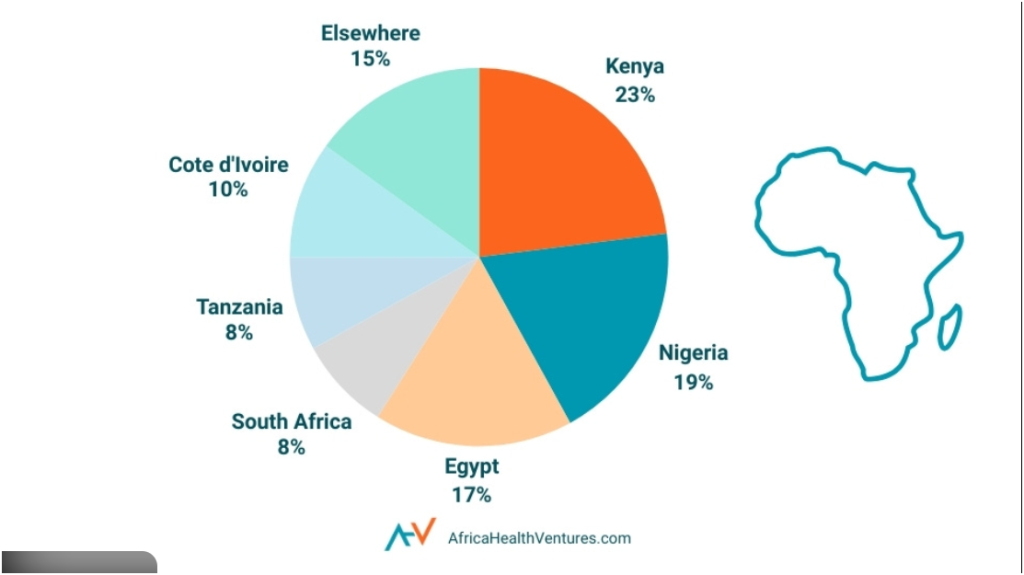
Why the system keeps buckling under pressure
Nigeria’s healthcare sector has long faced challenges ranging from inadequate funding and poor infrastructure to medical brain drain and uneven access to care, particularly in rural areas. Public hospitals remain overstretched, while out-of-pocket spending continues to push millions into financial hardship.
Pate noted that without addressing these structural gaps, appeals to faith risk masking systemic failures rather than solving them.
What reform looks like beyond rhetoric
According to the minister, meaningful reform requires sustained budgetary commitment, stronger primary healthcare delivery, improved insurance coverage, and accountability across federal and state health institutions.
He said the government is focusing on rebuilding trust in public healthcare by prioritising workforce retention, essential drug availability, and data-driven planning to guide policy decisions.
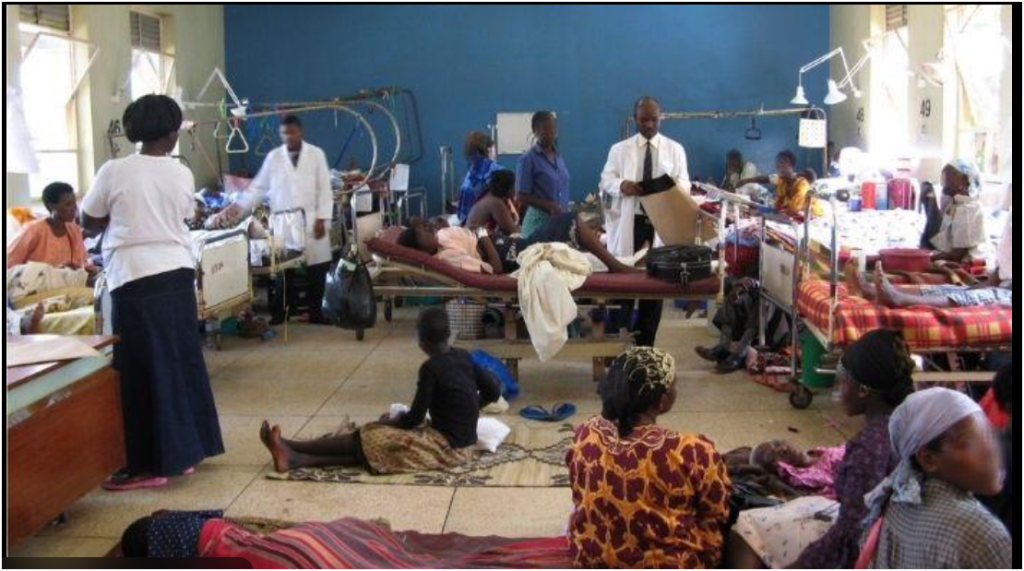
Why this message unsettles a familiar comfort zone
The minister’s comments struck a sensitive chord in a deeply religious society, where public officials often invoke prayer when confronting national challenges. However, health experts argue that relying on spiritual language without matching policy action delays necessary reforms and weakens public expectations of government responsibility.
Why the stakes go beyond hospitals
Nigeria’s health outcomes are closely linked to productivity, education, and economic growth. A weak healthcare system, analysts warn, not only increases mortality and preventable disease but also limits the country’s human capital potential and resilience during public health crises.
What failure to act could cost next
If reform momentum stalls, Nigeria risks entrenching a cycle where illness deepens poverty and public confidence erodes further—leaving faith to fill gaps that policy was meant to close.
This is IDNN. Independent. Digital. Uncompromising.
