
Petrol Pricing Debate Returns to the National Frontline
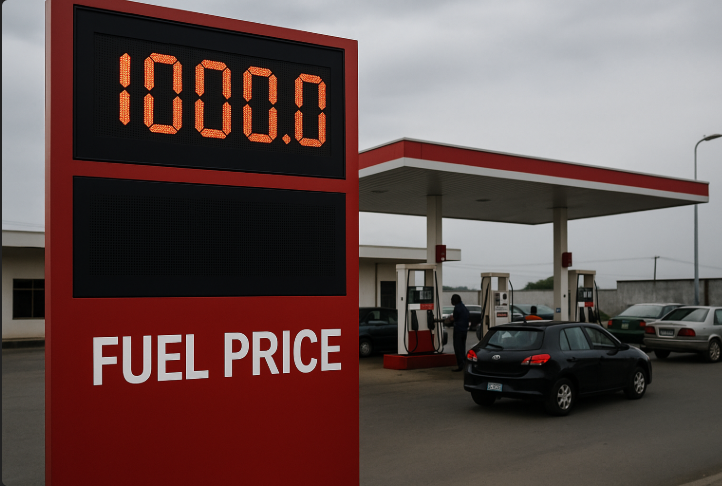
Nigeria’s petrol pricing debate has returned to the centre of national economic discussion as officials signal that elements of the fuel price policy Nigeria framework could come under review amid rising pressure on energy costs.
Government officials have not formally announced policy changes. However, recent statements acknowledging the need to continuously evaluate the country’s fuel pricing structure have revived debate about how petrol prices will evolve in Africa’s largest oil-producing economy.
For many Nigerians, pump prices remain one of the most visible indicators of economic stability.
Markets Brace for Signals From Abuja
Energy traders, transport operators and economic analysts are watching closely for signals from policymakers.
Petrol pricing in Nigeria now reflects a more market-sensitive environment following the removal of longstanding subsidy mechanisms that previously insulated consumers from global price movements.
In practical terms, this means retail pump prices increasingly respond to shifts in international crude prices, shipping costs, exchange-rate fluctuations and refining capacity.
As these variables move, domestic fuel prices can adjust accordingly.
Nigeria Petrol Price Timeline (2015–2026)
| Year | Average Pump Price |
|---|---|
| 2015 | ₦87 |
| 2016 | ₦145 |
| 2020 | ₦162 |
| 2023 | ₦537 |
| 2024 | ₦620+ |
| 2026 | Market-driven fluctuations |
Nigeria’s petrol price trajectory reflects the gradual shift from subsidy-era pricing toward a market-linked fuel economy.
Nigeria’s Energy Dependence Tightens the Policy Trap
Despite producing large volumes of crude oil, Nigeria has historically relied heavily on imported refined petroleum products.
That dependence exposed the country’s fuel market to external cost shocks and currency pressures for decades.
The subsidy system that once shielded consumers from these fluctuations also placed enormous strain on public finances, leading successive administrations to debate reforms.
Removing or adjusting subsidies, however, has often triggered political tension and social protests, making fuel pricing one of the most delicate economic policy areas in Nigeria.
How Petrol Prices Are Determined
Key Factors
⛽ Global crude oil prices
💱 Exchange rate movements
🚢 Shipping and import costs
🏭 Refining capacity
📦 Distribution and logistics costs
Nigeria’s pump price reflects a chain of global and domestic cost variables that ultimately determine the retail price motorists pay.
One Pump Price Change Can Move the Entire Economy
Changes in petrol prices rarely remain confined to fuel stations.
Transport costs rise quickly when pump prices increase, affecting the distribution of food, consumer goods and industrial materials.
Manufacturers and logistics companies frequently adjust their operating costs in response to higher fuel expenses.
The result is a ripple effect across the economy, where shifts in petrol pricing contribute directly to inflation trends and household spending pressures.
This is why government signals on petrol pricing often trigger immediate reactions from markets and consumers alike.
Why Fuel Prices Move the Economy
Immediate Effects
- Transport costs rise
- Food distribution becomes more expensive
- Manufacturing logistics costs increase
- Inflation pressure spreads through markets
Fuel prices influence multiple sectors simultaneously, making petrol one of the most politically sensitive economic variables in Nigeria.
The 2027 Political Clock Starts Ticking
Fuel pricing policy rarely exists outside Nigeria’s political landscape.
Historically, adjustments to pump prices have provoked strong reactions from labour unions, civil society groups and opposition parties.
As the country gradually approaches the 2027 election cycle, policymakers must weigh economic reforms against the risk of public backlash.
The timing, structure and communication of any policy adjustment will therefore play a crucial role in determining how the public interprets government intentions.
Energy policy decisions can quickly become political flashpoints.
Government’s Fuel Policy Balancing Act
Policy Objectives
⚖️ Reduce fiscal subsidy burden
⚖️ Encourage domestic refining investment
⚖️ Stabilise government finances
⚖️ Avoid social unrest from price shocks
Energy policymakers must balance economic reform with social stability when managing petrol pricing.
Nigeria’s Energy System Is Quietly Being Rewritten
Behind the current debate lies a broader transformation in how Nigeria manages its energy sector.
Authorities are attempting to move the country away from a subsidy-driven fuel economy toward a more market-oriented framework.
The shift aims to stabilise government finances, encourage private investment in refining and reduce the fiscal burden associated with subsidised petrol imports.
Yet the transition remains complex, as policymakers must navigate competing pressures from economic realities and public expectations.
Nigeria’s Next Fuel Decision Could Reshape the Economy
The direction Nigeria ultimately takes on petrol pricing will carry consequences far beyond the energy sector.
A policy decision that significantly alters pump prices could influence inflation trends, government spending priorities and political stability.
For households, businesses and investors alike, the debate over fuel pricing has become a proxy for broader questions about Nigeria’s economic trajectory.
As policymakers weigh their options, the country’s next move on petrol pricing could shape both economic policy and political momentum in the years ahead.
This is IDNN. Independent. Digital. Uncompromising.
