
A presidency that resisted succession scripts
Former Chief of Staff to President Muhammadu Buhari, Ibrahim Gambari, has said the late president did not subscribe to the notion of handpicking or imposing a successor.
Gambari made the assertion while reflecting on Buhari’s governing style, stressing that the former president believed leadership choices should emerge through political processes rather than personal endorsement.
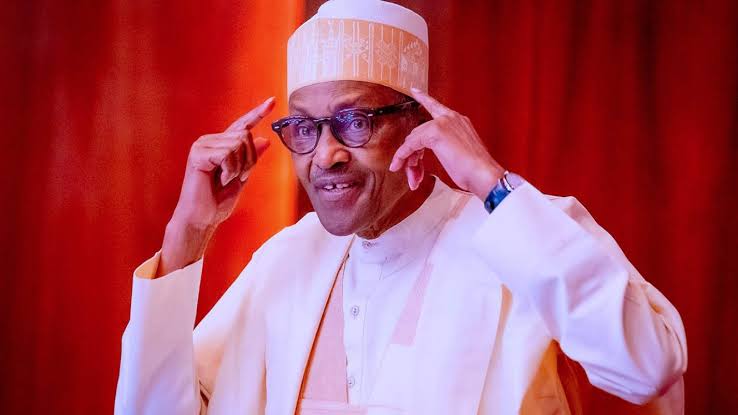
What Gambari says guided Buhari’s thinking
According to Gambari, Buhari consistently resisted pressure from political actors who sought explicit backing ahead of elections, preferring to maintain distance from succession battles.
“He did not believe in anointed successors,” Gambari said, explaining that Buhari viewed such practices as corrosive to internal party democracy and national political stability.
The former chief of staff added that Buhari saw his role as ensuring a level playing field, rather than influencing outcomes behind the scenes.
Why the claim matters politically
Succession politics defined the closing years of Buhari’s administration, with intense speculation over whether he would openly endorse a preferred candidate.
Gambari’s remarks challenge long-held assumptions that sitting presidents inevitably shape outcomes, particularly within ruling-party primaries. Analysts say the comments reopen debate about how much influence Buhari actually exercised during the transition that culminated in the 2023 elections.
When legacy meets interpretation
Political observers note that while formal endorsements may have been absent, institutional power, silence, or perceived signals from incumbents can still shape political behaviour.
They argue that Gambari’s account will be weighed against events surrounding party primaries, alliances, and elite negotiations that unfolded as Buhari prepared to exit office.
What this says about power transitions
The remarks contribute to a broader reassessment of Buhari’s political legacy, particularly on questions of democratic norms and internal party processes.
If accepted, the narrative positions Buhari as a reluctant kingmaker. If contested, it underscores the enduring tension between formal neutrality and informal influence in Nigerian power transitions.
This is IDNN. Independent. Digital. Uncompromising.
