
Bola Ahmed Tinubu Defends Reforms Amid Rising Political Concerns
President Bola Ahmed Tinubu has defended his administration’s sweeping economic reforms, pushing back against claims that Nigeria is tilting toward a one-party state under his leadership.
Speaking amid growing political tension, Tinubu maintained that his government’s policy direction is rooted in economic necessity and long-term national stability, rather than any attempt to weaken democratic competition.
Opposition Fears Intensify Over Political Consolidation
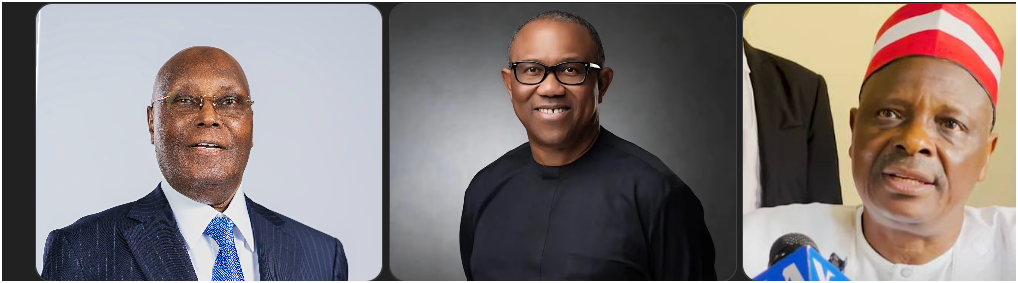
In recent weeks, opposition voices have raised concerns about what they describe as a gradual erosion of multiparty balance, pointing to defections, internal crises within rival parties, and the perceived dominance of the ruling structure.
Critics argue that the weakening of opposition cohesion could inadvertently create conditions resembling a one-party system, particularly as early political alignments begin to form ahead of the 2027 general elections.
However, Tinubu dismissed these assertions, insisting that Nigeria’s democratic institutions remain intact and that political participation continues to be open and competitive.
Reforms at the Center of the Debate
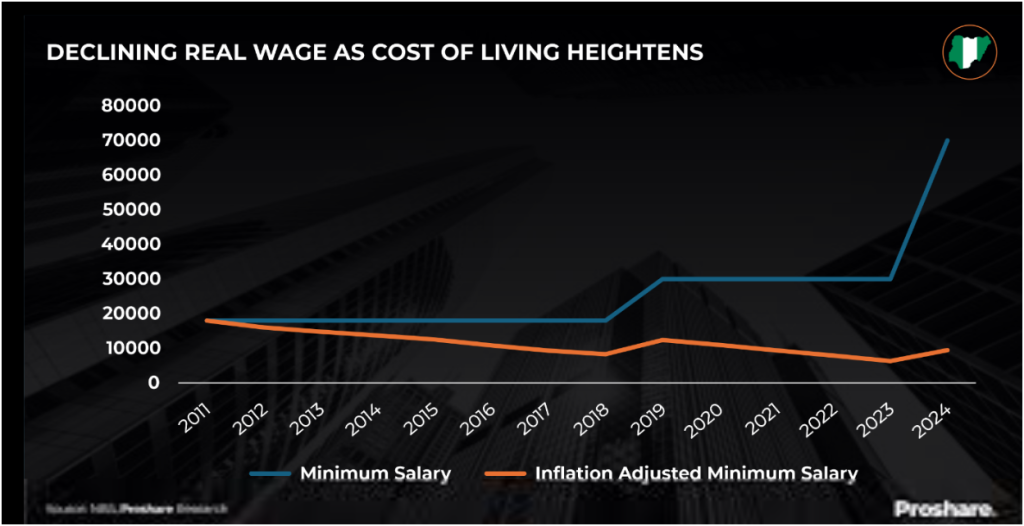
At the heart of the controversy are the administration’s economic reforms, including subsidy removal, fiscal restructuring, and broader policy adjustments aimed at stabilising the economy.
Tinubu acknowledged that these reforms have triggered hardship in the short term but argued they are necessary to correct long-standing structural imbalances.
According to the presidency, the reform agenda is designed to reposition Nigeria’s economy for sustainable growth, improve public finance management, and reduce systemic inefficiencies.
A Power Shift or Policy Reality?
Beyond policy, the political implications of these reforms are becoming increasingly significant.
Analysts note that economic pressure often reshapes political loyalty, and in Nigeria’s case, shifting alliances and strategic repositioning among political actors are already visible.
The question emerging within political circles is whether these movements represent organic political evolution or a broader consolidation of power around the ruling bloc.

Institutional Strength Put to the Test
Nigeria’s democratic resilience is now under renewed scrutiny, as observers assess whether institutions such as the judiciary, electoral bodies, and legislative structures can maintain balance in a rapidly shifting political environment.
For now, the presidency continues to emphasise stability, governance, and reform implementation, while opposition figures signal the need for vigilance and renewed political organisation.
What This Means for Nigeria’s Political Future
Tinubu’s response highlights a defining tension in Nigeria’s current political moment — the intersection of economic reform and political structure.
If reforms deliver measurable economic improvement, the administration could consolidate both public support and political advantage.
However, if hardship persists without visible gains, opposition narratives around governance and political balance may gain traction.
This is IDNN. Independent. Digital. Uncompromising.
