
Flying Eagles Face Ghana, Togo and Burkina Faso as Maikaba Leads WAFU B Title Defence
Nigeria’s Flying Eagles have been handed a West African title-defence test with enough rivalry, pressure and talent-pathway consequence to make Group B the first real examination of Abdu Maikaba’s new cycle.
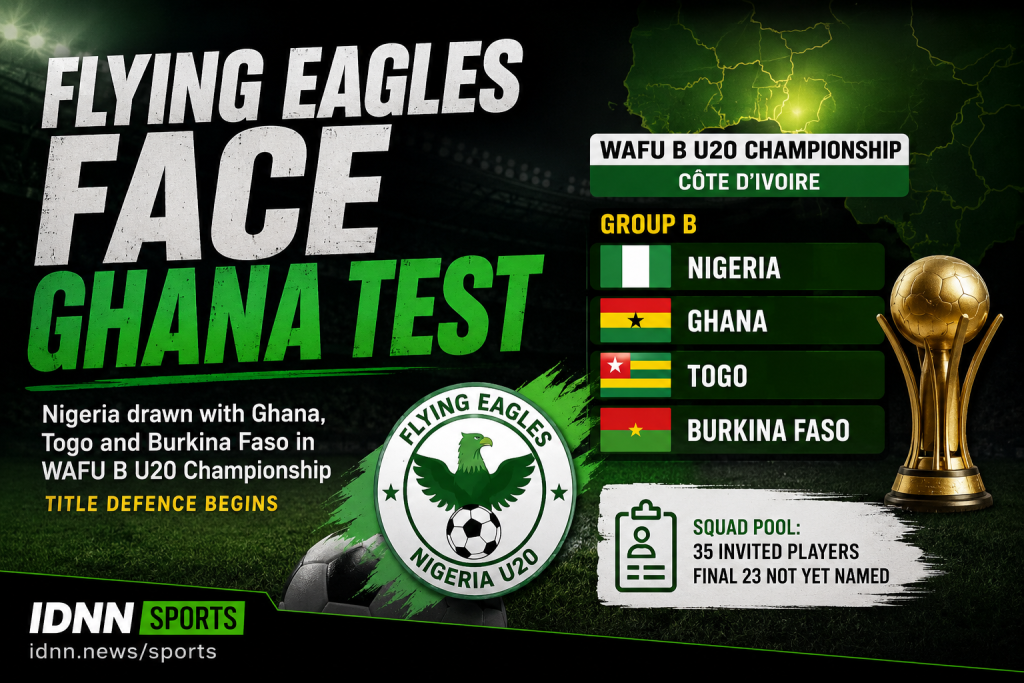
The Nigeria Football Federation confirmed that Nigeria’s U20 boys will face Ghana’s Black Satellites, Togo’s Junior Sparrow Hawks and Burkina Faso’s Young Stallions in the group phase of the WAFU B U20 Championship in Côte d’Ivoire. Hosts Côte d’Ivoire, Benin Republic and Niger Republic make up Group A.
The same NFF report says Maikaba and his team will depart on Monday, 20 July, with 23 players, with the target clear: win one of WAFU B’s two tickets to next year’s U20 Africa Cup of Nations in Ghana. The federation has not published the final named 23-player travelling squad in that draw report.
That keeps the confirmed frame sharp: Nigeria are defending champions, Ghana are back in the same group, and Maikaba must turn a camp pool into a tournament team capable of carrying the Flying Eagles’ regional authority.
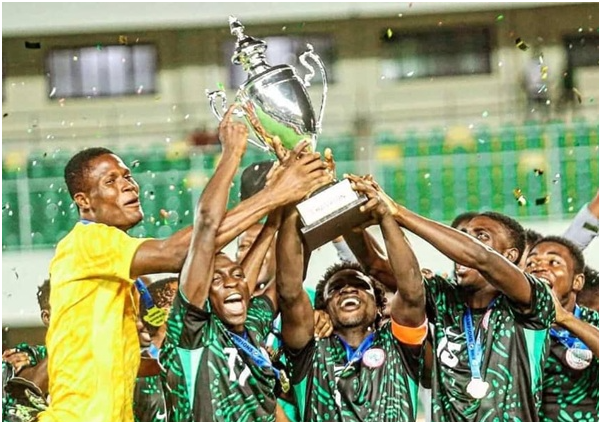
Ghana gives the group its fire
The Ghana game will carry the loudest charge.
Nigeria and Ghana met in the final of the last edition in Lomé in 2024, when the Flying Eagles beat the Black Satellites 2-1 to win the WAFU B U20 title. The NFF also describes Nigeria as seven-time African champions and two-time FIFA U20 World Cup silver-medallists.
That history does not win the next match. It raises the demand.
Ghana bring rivalry heat. Burkina Faso bring physical and tactical resistance. Togo bring regional familiarity and the kind of underdog pressure that can turn a group upside down.
Nigeria cannot defend this title by reputation. The Flying Eagles will need control, discipline and a team that can handle the emotional noise of a Ghana fixture without losing tournament focus.
Key actors: Maikaba, his assistants and the camp pool
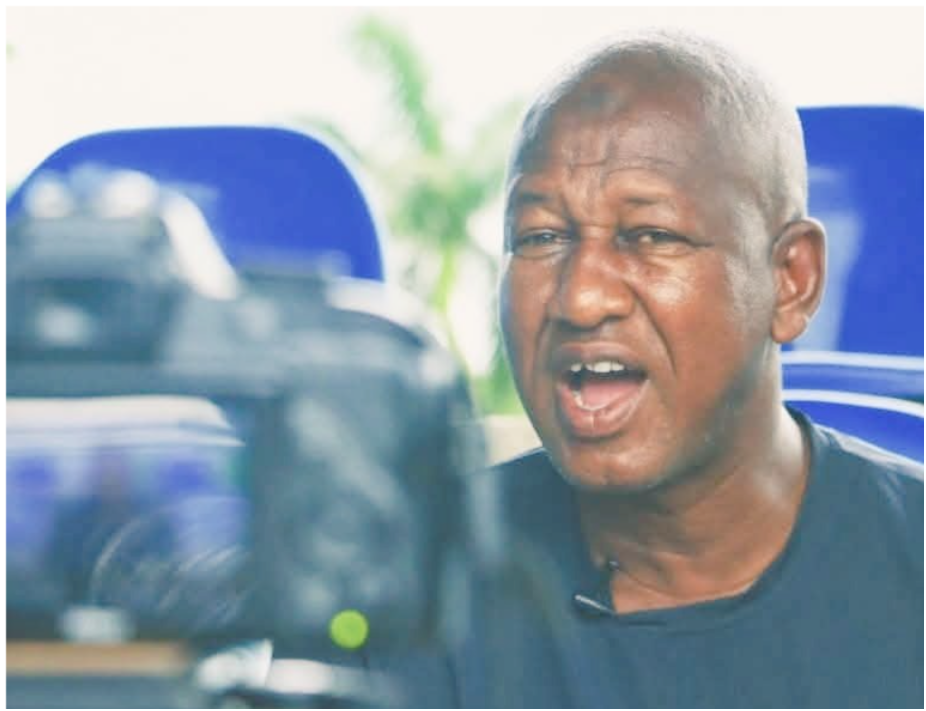
Abdu Maikaba is the central figure in this campaign.
The NFF appointed him to lead the U20 men’s national team. The federation also named Ortega Deniran as first assistant, Abdullahi Biffo as second assistant and Usman Mohammed as goalkeepers’ trainer.
His first major task is not only to select players. It is to build a team quickly enough to survive a regional qualification tournament where one poor spell can damage an entire campaign.
The NFF’s official 35-player camp invitation list gives a picture of the squad pool Maikaba has been working with. The federation said the camp list included three goalkeepers, 10 defenders, 11 midfielders and 11 forwards.
Among the invited goalkeepers were Clinton Lawani of Sporting Lagos, Abubakar Rufai of NK Istra 1961 in Croatia and Uchechukwu Aloysius of Akwa United.
The defensive pool included Ayinla Olayomi of Warri Wolves, Abubakar Aliyu of Wikki Tourists, Wahab Bolanle Musa of FC Malaga in Spain, Mutari Momoh of NK Istra 1961 and Abdulaziz Musa Ndaman of Mavlon FC.
In midfield, the camp list named Victor Samuel of Sporting Lagos, Sale Abdulrashid of Kryubar FC in Ukraine, Sa’ad Tijjani of Barau FC, Imran Ahmad of Kano Pillars and Simon Karshe Cletus of FC Rijeka in Croatia among others.
The forward pool included Abba Dalli of Katsina United, Prince Columbus of Forster Academy, Goodluck Angel of P Sports, Imrana Mohammed of FC Alaves in Spain, Seun Akanji of Sporting Lagos, Alex Leme of Sporting Lagos and Peter Pam Davou of Vitkovice in the Czech Republic.
Those names are from the official camp invitation list. They should not be presented as the final 23-player travelling squad unless the NFF releases a named final squad.
Why the squad pool matters
The camp list shows the shape of Maikaba’s job: blend domestic players with foreign-based prospects and turn them into a tournament team fast.
For Nigeria, the Flying Eagles are not a side project. They are one of the country’s most important player-development bridges.
U20 football is where promise meets pressure. It is where academy reputation, club form and raw talent have to survive national colours, hostile fixtures and knockout consequences.
That is why this campaign matters beyond the group draw. A strong WAFU B run would protect Nigeria’s youth-football authority, keep the Flying Eagles in the qualification lane for the Africa U20 Cup of Nations, and give the next generation a stage to prove they can handle the badge.
What Nigeria must get right
The first demand is composure. Ghana will bring rivalry noise, but Nigeria must play the match before they play the occasion.
The second demand is control. Against Togo and Burkina Faso, the Flying Eagles cannot allow the group to become a scramble.
The third demand is selection clarity. Maikaba’s staff must trim the camp pool into a 23-player travelling squad capable of handling different match states, not just one preferred plan.
The fourth demand is defensive discipline. Regional youth tournaments can swing on set-pieces, transitions and one poor decision. Nigeria’s margin for error will be thin because defending champions are always hunted.
Regional authority is on the line
The Flying Eagles enter as champions. That brings weight.
Nigeria’s U20 programme has long been part of the country’s football identity, but this tournament will ask a sharper question: can the next group of players carry the same authority?
Maikaba’s answer will begin in Group B.
Ghana, Togo and Burkina Faso are not just opponents on a draw sheet. They are the first pressure points in a title defence that will test Nigeria’s youth pathway, coaching reset and regional command.
The Flying Eagles have the name. Now they need the performance.
