
Saudi Arabian Football Federation president Yasser Al-Misehal has stepped down after the national team’s early FIFA World Cup exit, turning a disappointing group-stage campaign into a major accountability moment for Saudi football.
Al-Misehal announced he would not continue after Saudi Arabia finished bottom of Group H with two points from three matches. Saudi Gazette reported that he accepted full responsibility for the Green Falcons’ failure to reach the knockout stage after seven years at the helm of Saudi football.
The national team entered the tournament carrying bigger expectations against the backdrop of Saudi Arabia’s wider football investment project, rising international visibility and the country’s successful bid to host the 2034 World Cup. Saudi Arabia’s campaign ended after draws with Uruguay and Cape Verde, and a defeat to Spain.
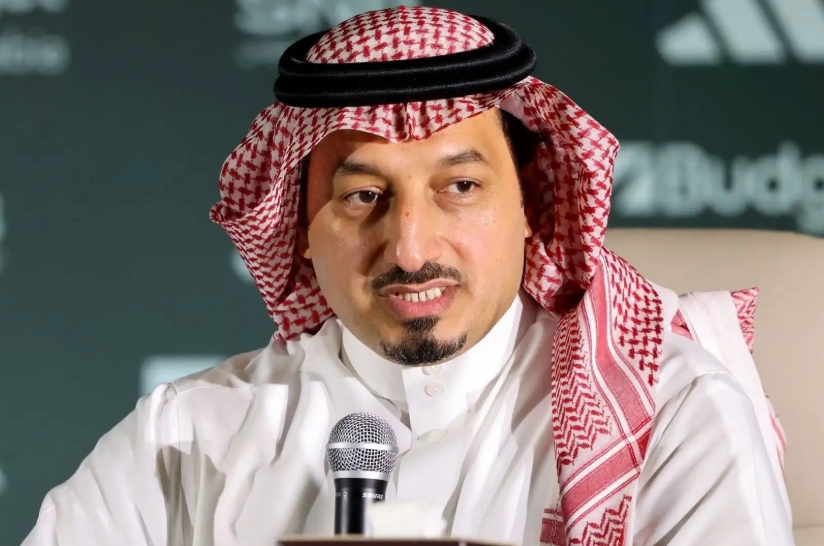
Al-Misehal Takes Responsibility
Al-Misehal framed the decision as an act of responsibility after a campaign that fell below ambition.
In a social-media statement cited by Saudi Gazette, Al-Misehal said the national team’s failure to qualify for the next round was a result that fell short of expectations, and that he bore full responsibility for the outcome.
Group H Failure Cuts Deep
Saudi Arabia’s group campaign never fully caught fire.
They collected two points from three matches and finished fourth in Group H. Saudi Gazette reported that they opened with a 1-1 draw against Uruguay, lost 4-0 to Spain and closed with a goalless draw against Cape Verde.
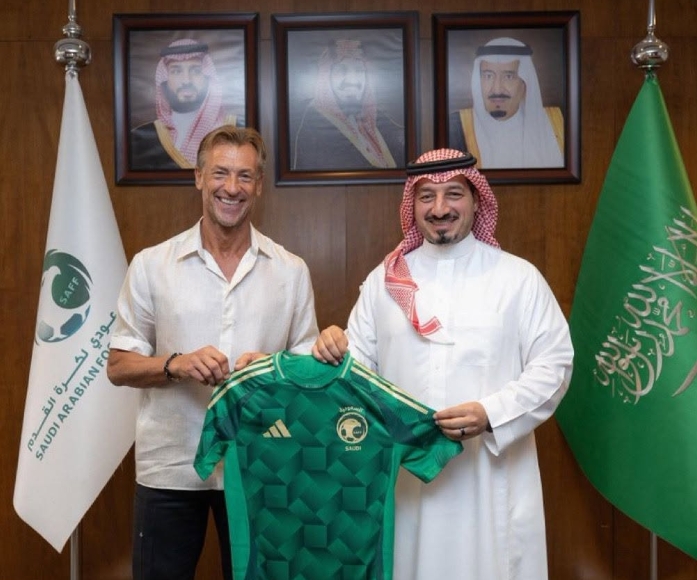
The Green Falcons were appearing at their third consecutive World Cup and seventh overall, but that preparations were disrupted by the decision to replace Herve Renard with Georgios Donis less than two months before the tournament. That context is important, but it should not be treated as the sole explanation for the exit.
Cape Verde advanced from the group after three draws, while Spain topped the section. Saudi Arabia and Uruguay were eliminated, leaving the Saudis bottom and forcing a leadership response.
Bigger Questions For Saudi Football
Al-Misehal had been heavily involved in Saudi Arabia’s rise on the international football stage, including the successful 2034 World Cup hosting bid. His exit therefore comes at a sensitive point for the country’s football project.
Saudi clubs have attracted high-profile names in recent years, including Cristiano Ronaldo and Neymar, as part of a wider push to lift the domestic game’s profile and standards. They underline the scale of Saudi football ambition, not a direct cause of the national team’s failure.
But the World Cup delivered a harder lesson.
Big visibility can raise expectation. It does not automatically produce tournament progress.
Saudi Arabia now face a reset at federation level, with the next leadership expected to inherit both ambition and pressure. The 2034 World Cup gives the country a long-term destination, but this exit has exposed the immediate gap between the project’s profile and the national team’s results.
Al-Misehal has taken responsibility. Saudi football now has to decide what the next phase looks like.
