
When Demand Outruns The System
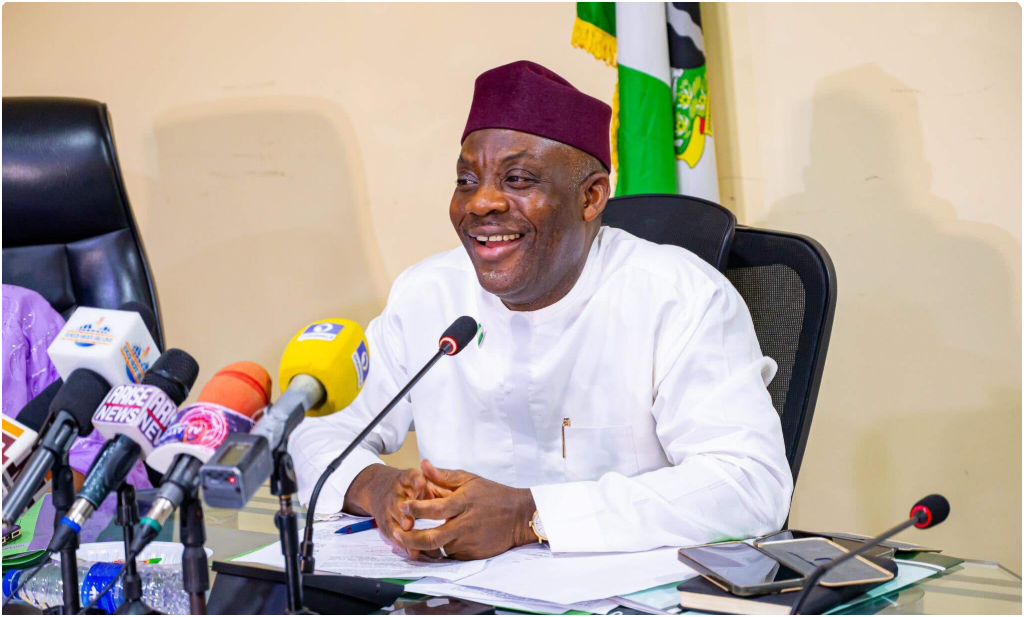
Nigeria’s government has imposed a Nigeria private university moratorium, temporarily halting approvals for new private universities as regulators attempt to reassess the country’s rapidly expanding higher education sector.
Officials say the move reflects growing concerns that the pace of university licensing may be outstripping the capacity of regulators to maintain academic standards.
The decision comes at a time when Nigeria faces an intensifying admission bottleneck.
The Numbers Behind The Admission Crisis
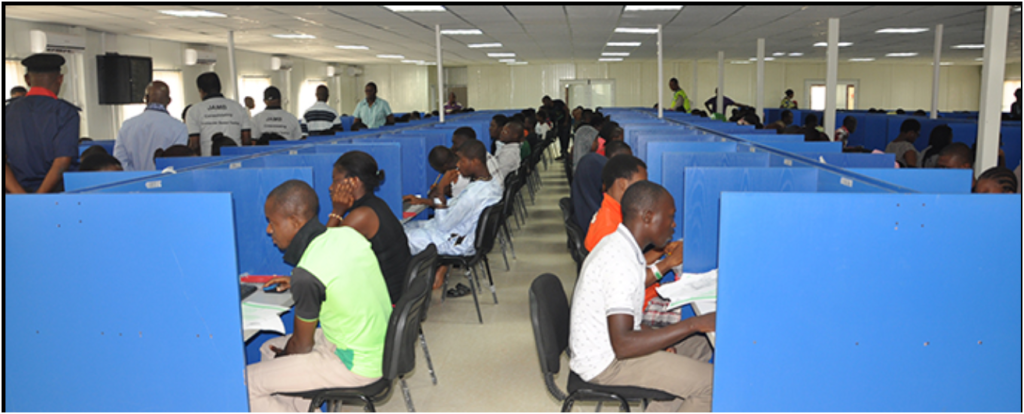
Each year, millions of Nigerian students compete for a limited number of university places.
Recent admission statistics show that about 2.3 million candidates apply annually for university admission, while the entire university system offers only around 228,000 available slots.
This enormous gap has created one of the most competitive admission environments in Africa.
For many students, securing a university place can take several attempts over multiple years.
Why Private Universities Expanded Rapidly
Private universities have emerged over the past two decades as a key attempt to bridge the admission gap.
Nigeria currently has more than 140 private universities, compared with fewer than 40 in the early 2000s.
Many of these institutions were established to absorb excess demand created by limited public university capacity.
But regulators say the speed of expansion has raised new concerns.
The Quality Question Now Confronting Regulators
Education analysts say the moratorium reflects a deeper debate inside Nigeria’s higher education system: whether the focus should shift from expansion to quality assurance.
While private universities have increased admission capacity, critics argue that oversight mechanisms have struggled to keep pace with the number of new institutions entering the system.
Questions about faculty strength, infrastructure, and programme accreditation have increasingly surfaced in regulatory reviews.
The moratorium therefore signals a pause designed to allow regulators to assess whether existing institutions meet required academic standards.
The System Trying To Balance Access And Quality
Nigeria’s higher education system sits at the intersection of two powerful pressures.
On one hand, demand for university education continues to grow as secondary school completion rates increase.
On the other hand, regulators must ensure that institutions maintain academic credibility.
Education policy specialists say rapid expansion without adequate supervision could weaken confidence in the value of Nigerian university degrees.
The moratorium therefore represents an attempt to rebalance access to education with institutional quality control.
What Students And Families Are Watching
For millions of Nigerian families, university admission represents a critical pathway to economic mobility.
Yet the scale of competition means many qualified candidates remain unable to secure placement each year.
Private universities have helped relieve part of that pressure — but their tuition fees remain significantly higher than those of public institutions, placing them beyond the reach of many households.
As a result, the admission gap remains one of the most visible structural challenges in Nigeria’s education system.
The Question That Will Shape The Next Phase
The Nigeria private university moratorium may temporarily slow the expansion of new institutions.
But the underlying pressure driving that expansion remains unchanged.
As long as millions of applicants continue to compete for a limited number of seats, Nigeria’s higher education system will face a difficult policy question:
whether the country must dramatically expand capacity, or fundamentally rethink how university education is delivered.
This is IDNN. Independent. Digital. Uncompromising.
