
When the lights go out again
The warning came after another episode of nationwide power disruption, prompting the Nigeria Labour Congress (NLC) to declare that it may embark on industrial action if structural failures within the electricity sector persist.
As NLC threatens strike over grid collapse, labour leaders described the repeated breakdowns as unacceptable in an economy already battling inflation, unemployment and industrial strain.
The statement marks one of the strongest interventions by organised labour in the ongoing power sector crisis.
A system under repeated stress
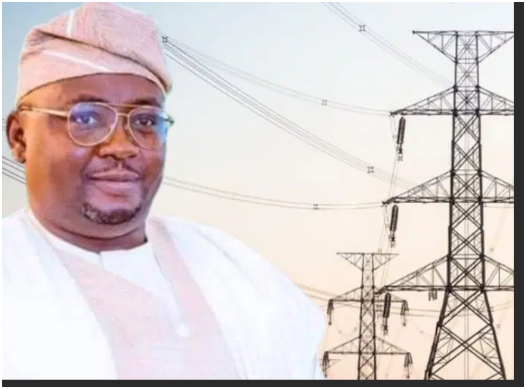
Nigeria’s national grid has experienced multiple collapses in recent years, triggering widespread blackouts across major cities and industrial zones.
Energy analysts attribute the instability to transmission bottlenecks, generation shortfalls, aging infrastructure and coordination failures between generation companies (GenCos), distribution companies (DisCos) and the Transmission Company of Nigeria.
While official agencies often describe collapses as “system disturbances,” labour unions argue that the pattern reflects deeper systemic fragility.
Privatisation back under scrutiny
The NLC has renewed criticism of the post-2013 privatisation framework, questioning whether the reform model has delivered the promised stability and efficiency.
Union leaders contend that tariff increases have not translated into consistent supply, while operational lapses continue to affect households and businesses.
Power sector operators maintain that legacy debt, gas supply constraints and vandalism complicate performance outcomes.
The debate has therefore shifted from isolated collapse events to the architecture of the electricity market itself.
Economic ripple effects widen
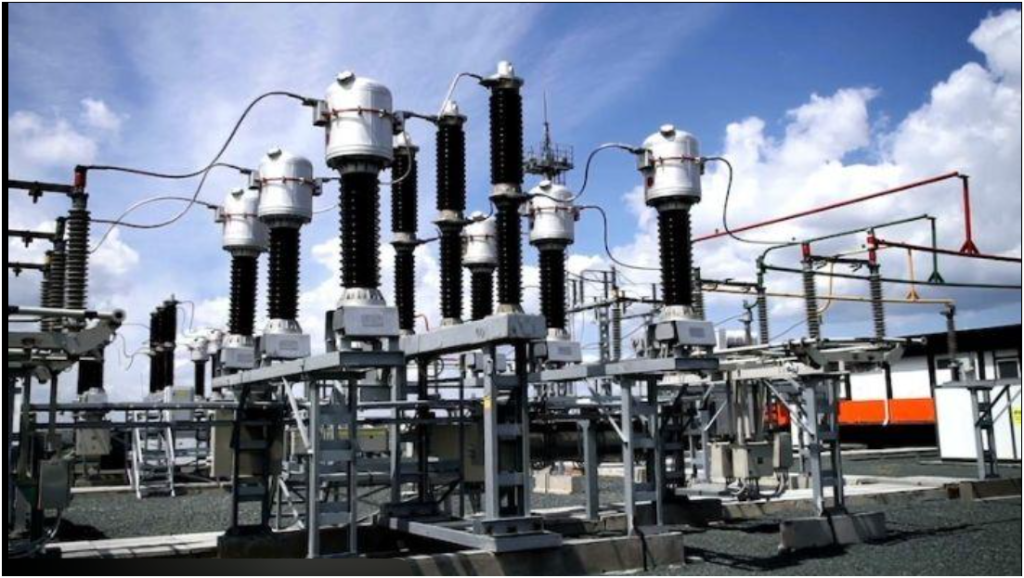
When the grid collapses, factories halt production, small businesses revert to generators and households absorb additional fuel costs.
Industrial associations have repeatedly warned that unstable power supply increases operating expenses and weakens competitiveness.
Labour leaders now argue that workers bear the indirect cost through job insecurity and reduced purchasing power.
The strike threat introduces a new layer of pressure — industrial disruption layered on top of energy disruption.
Government response under watch
Federal authorities have acknowledged grid instability in previous briefings, promising infrastructure upgrades and investment in transmission capacity.
However, timelines for full stabilisation remain uncertain.
As NLC threatens strike over grid collapse, the government faces a narrowing window to demonstrate credible corrective measures.
Industrial action would not only disrupt services but also amplify investor concerns about Nigeria’s energy reliability.
When energy risk becomes social risk
Power instability is no longer confined to technical reports.
It now intersects with labour mobilisation and broader economic anxiety.
If negotiations between labour and government yield reform commitments, the strike threat may ease.
If collapses continue without visible improvement, industrial action could materialise.
In energy policy, repeated failure accumulates consequence.
And when the grid falters too often, pressure shifts from infrastructure to institutions.
This is IDNN. Independent. Digital. Uncompromising.
