
A familiar name steps back into the conversation
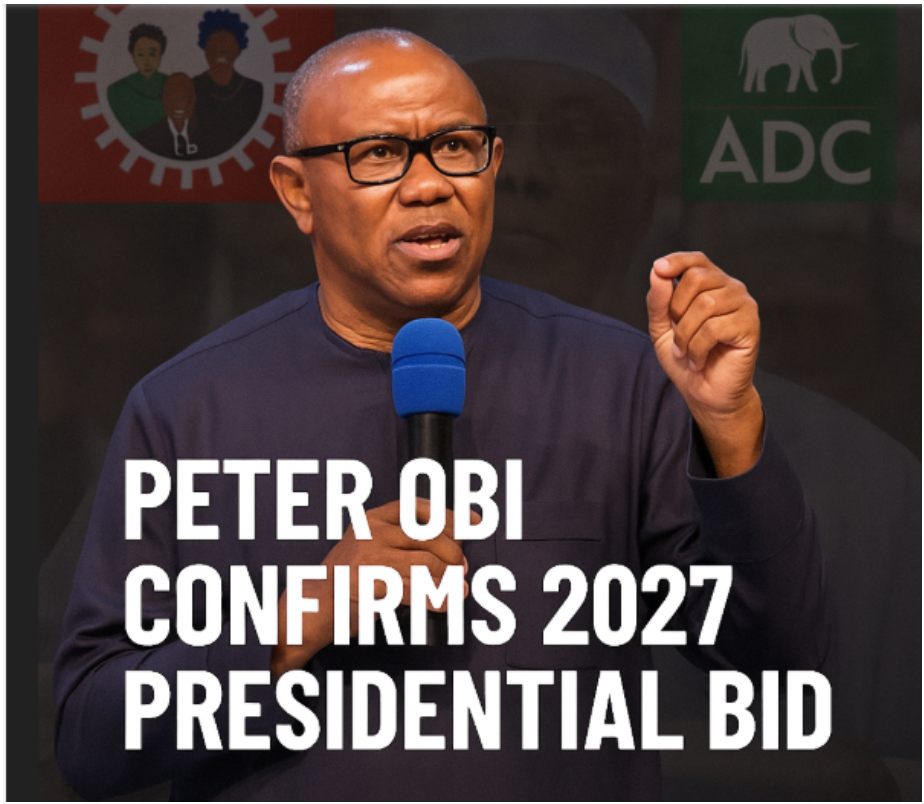
Peter Obi returned to the national political spotlight after statements that suggested openness to future leadership engagement, even as he endorsed an ADC candidate in a recent electoral contest.
While Obi stopped short of a formal declaration, his remarks were widely interpreted as a signal that he remains politically active beyond issue advocacy.
Why the endorsement raised eyebrows
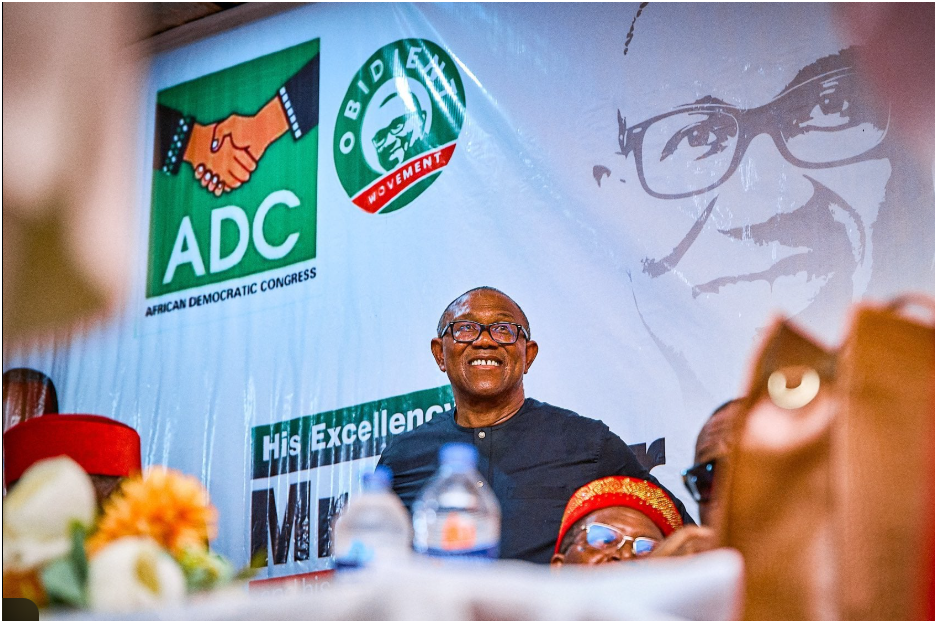
By backing an ADC candidate outside his former party structure, Obi reignited debate about opposition coordination and whether Nigeria’s fragmented opposition can coalesce ahead of 2027.
Supporters see strategic outreach; critics view it as an early recalibration of alliances.
Between intention and declaration
Obi’s comments carefully avoided campaign language, framing his involvement as support for credible leadership rather than a personal ambition push. Political analysts say such positioning allows flexibility while keeping options open.
The distinction matters in a climate where early declarations can trigger internal resistance or legal scrutiny.
What this says about the opposition map
The endorsement underscores fluidity within opposition ranks, where parties and personalities continue to test collaboration models outside rigid party lines.
Observers note that 2027 calculations are increasingly shaped by coalition logic rather than single-party dominance.
Why timing is doing the talking
IDNN is running this as a Midday Burner because early signals—however subtle—often set narratives long before formal campaigns begin, influencing fundraising, defections, and public expectations.
What hardens if clarity doesn’t arrive
If signals remain ambiguous for too long, opposition momentum could fragment further, allowing uncertainty to fill the space where strategy should be—raising the cost of late consolidation ahead of 2027.
This is IDNN. Independent. Digital. Uncompromising.
