
.Former presidential candidate Peter Obi has accused the administration of President Bola Tinubu of failing to ease Nigeria’s electricity crisis, despite recent policy interventions in the power sector.
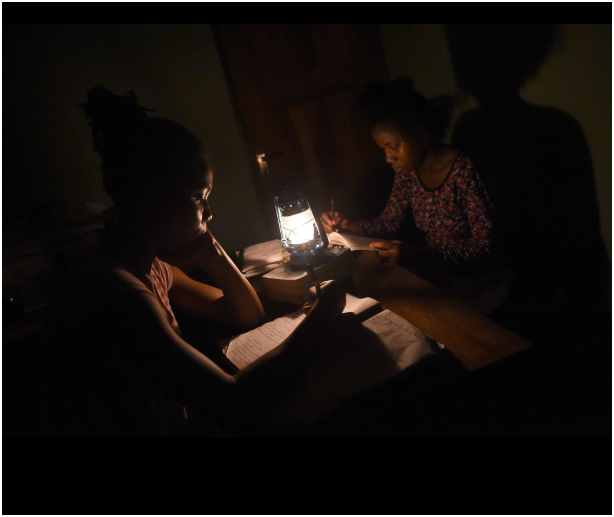
“Nigeria is still largely in darkness,” Obi said, arguing that reforms announced by the federal government have yet to translate into stable and affordable electricity for households and businesses.
Obi said persistent outages and rising energy costs continue to undermine productivity, stressing that electricity reform should be judged by outcomes rather than policy declarations.
“Power supply is not about press statements or projections,” he added. “It is about whether factories can run, businesses can plan, and homes can depend on the grid.”
A Promise Revisited, Not a New Argument
The comments revisit one of Obi’s core campaign themes during the 2023 presidential election, when he argued that reliable electricity was central to economic growth, job creation and industrial competitiveness.
By returning to that benchmark, Obi is positioning current power challenges as a test of governing credibility rather than partisan politics.
Government Reforms Under the Spotlight
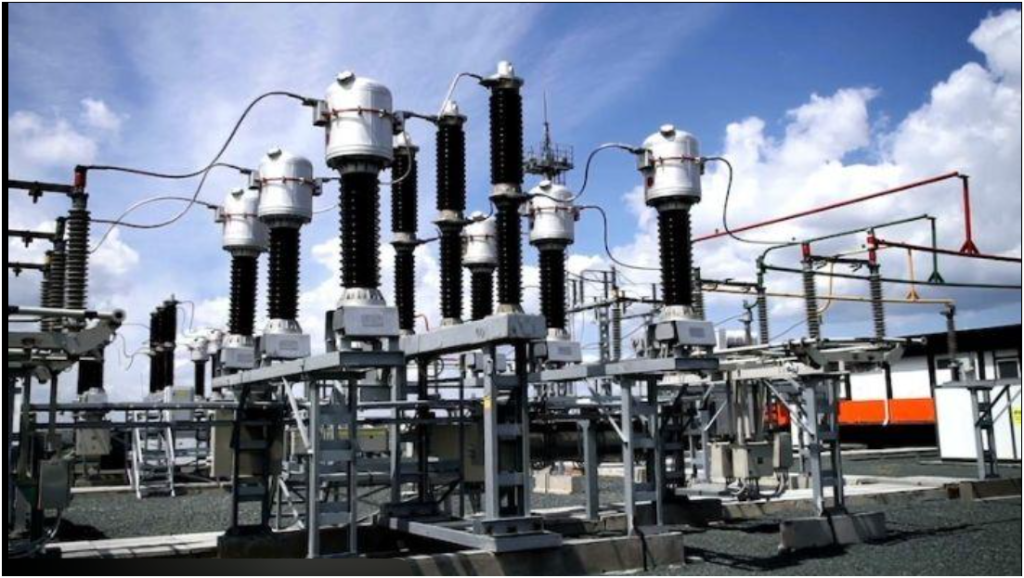
The Tinubu administration has highlighted measures such as tariff restructuring, debt settlements for generation companies and market reforms as necessary steps to stabilise the electricity sector.
Officials have argued that these interventions address long-standing liquidity and infrastructure problems, though they have also acknowledged that improvements on the grid will take time.
Why the Power Debate Keeps Returning
Electricity remains one of the most politically sensitive issues in Nigeria, affecting inflation, employment and cost of living. Analysts note that opposition figures routinely use power supply as a performance barometer because failures are immediately felt by the public.
Obi’s remarks tap into that pressure point, reframing electricity reform as a lived experience rather than a technical process.
A Test That Cannot Be Deferred
While the presidency has not responded directly to Obi’s latest criticism, the administration has consistently maintained that power-sector reform is gradual and structural.
For critics, that explanation is wearing thin. As Obi’s intervention shows, electricity remains a political test that governments cannot postpone — only pass or fail.
This is IDNN. Independent. Digital. Uncompromising.
