
IDNN Politics & Security Desk
Independence Day, No Police in Sight
As Nigerians marked the country’s 65th Independence anniversary, Kano State delivered a shocking image: a parade without its police command. Governor Abba Kabir Yusuf accused Police Commissioner Ibrahim Adamu Bakori of partisanship after the state command failed to participate in the ceremonial event. For Kano’s millions, the absence was more than symbolic — it was a public rupture of security protocol on a day of national unity.
“This is unethical, partisan, and an embarrassment to Kano on Independence Day. As Chief Security Officer of this state, I condemn this outright
Governor Yusuf’s Stinging Rebuke
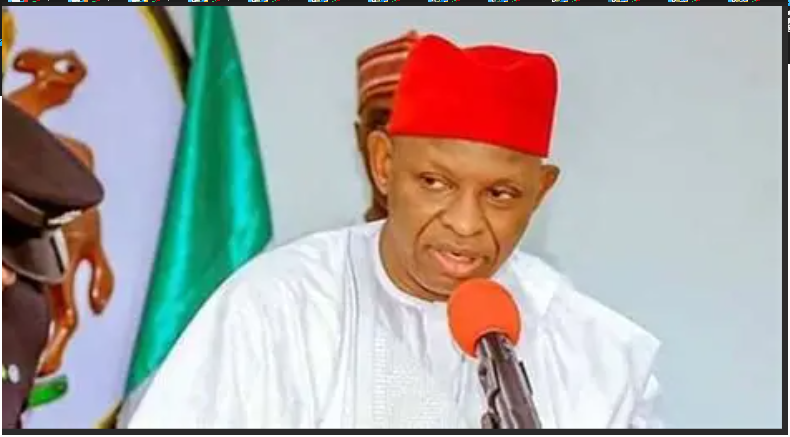
Governor Yusuf did not mince words. Speaking at Government House, he declared: “This is unethical, partisan, and an embarrassment to Kano on Independence Day. As Chief Security Officer of this state, I condemn this outright.” His anger was sharpened by Kano’s political context: Yusuf belongs to the opposition NNPP, a thorn in the side of ruling party structures. For him, the police boycott was not just disloyalty but evidence of federal meddling in state affairs.
Policing in the Crossfire of Politics

The incident reopened Nigeria’s old wound — who truly controls security? The constitution grants authority to the federal government, but governors carry the title of “Chief Security Officer” without operational power. When Commissioner Bakori kept his men from the parade, the symbolism was glaring: police loyalty tilted toward Abuja, not Kano’s elected leader. Analysts warn such defiance chips away at state authority, leaving citizens caught between parallel power centres.
📊 What the Boycott Signifies
- Federal vs State Power: Governor powerless to compel security presence.
- Partisan Policing: Police action seen as aligning with federal ruling interests.
- Public Confidence: Citizens question neutrality of law enforcement.
- Unity Undermined: On Independence Day, Kano’s parade exposed division, not cohesion.
Ripple Impact: More Than Ceremony
The boycott is more than missed pageantry. In a volatile state already balancing ethnic, religious, and political complexities, visible cracks in security authority can fuel uncertainty. “If police won’t show up on Independence Day, what signal does that send to ordinary people?” one civil society activist asked.
Commercial Tag: Security Confidence as Investment Currency
For businesses and investors, consistent policing is as important as stable policy. A state where law enforcement is seen as partisan faces reputational risks that can scare away capital, deepen mistrust, and unsettle fragile markets.
This is IDNN. Independent. Digital. Uncompromising.
