
Budget Season Exposes Financial Fault Lines
The Senate funding strain has come into sharper focus as committees resume budget defence sessions under the 2026 appropriation framework.
Lawmakers privately acknowledge that inflationary pressures, expanded committee workloads and delayed capital releases have increased operational demands beyond earlier projections.
While public debate centres on executive allocations, internal discussions within the National Assembly increasingly revolve around resource adequacy for oversight functions.

Oversight Duties Expanding, Resources Not
Committee mandates have widened in recent years, particularly across security, infrastructure and economic reform portfolios.
Senators argue that effective oversight requires expert consultations, field inspections and technical advisory support — activities that carry significant financial implications.
However, fiscal constraints across the federal system have limited discretionary spending flexibility.
Some lawmakers warn that reduced operational capacity may weaken the legislature’s ability to scrutinise executive implementation effectively.
Transparency Versus Optics
Public perception adds another layer to the Senate funding strain.
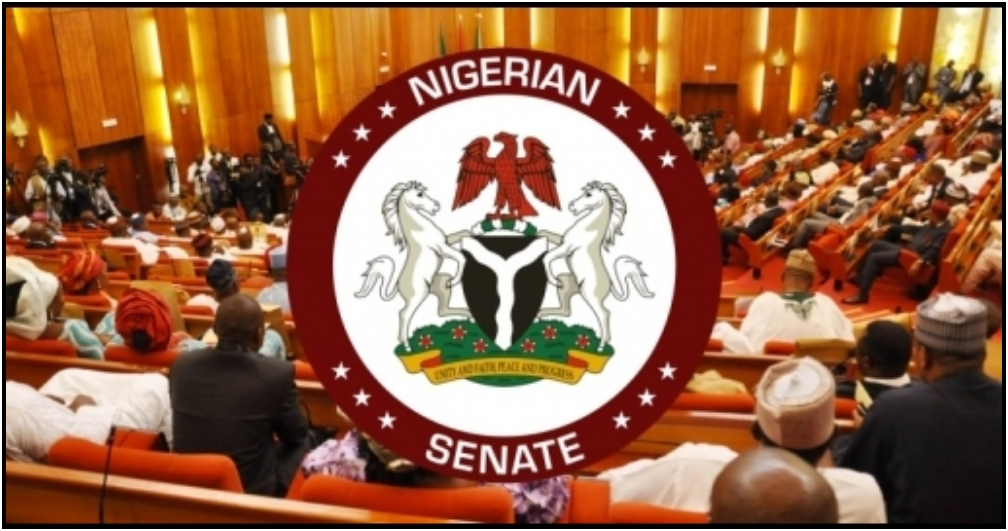
In a climate where citizens scrutinise government spending, any request for additional legislative funding risks backlash.
Lawmakers therefore face a dual challenge: maintaining credibility while ensuring institutional functionality.
Balancing those objectives requires careful calibration between transparency and operational necessity.
The Institutional Balancing Test
Legislative funding debates are rarely about numbers alone.
They reflect deeper questions about institutional independence, separation of powers and democratic accountability.
If the legislature lacks sufficient resources to perform oversight robustly, executive dominance may expand. If allocations appear excessive, public trust may erode.
The equilibrium is delicate — and politically sensitive.
Why This Matters Before 2027
As Nigeria edges closer to 2027, the Senate funding strain intersects with electoral credibility and governance expectations.
Effective legislative scrutiny shapes public confidence in budget execution, anti-corruption measures and policy implementation.
Should financial pressures compromise oversight depth, the downstream effects could extend beyond budget season into the broader democratic cycle.
The debate, therefore, is not simply about funding levels — it is about institutional resilience.
This is IDNN. Independent. Digital. Uncompromising.
