
The Premier League racist abuse crisis deepened over the weekend after Wolves striker Tolu Arokodare and Sunderland winger Romaine Mundle were targeted on social media, marking the fourth such case involving top-flight players in two days.
The incidents followed abuse directed at Burnley midfielder Hannibal Mejbri and Chelsea defender Wesley Fofana after their sides drew 1–1 at Stamford Bridge on Saturday.
Anti-discrimination group Kick It Out described the sequence of events as an “appalling weekend”, warning that the pattern is neither isolated nor new.
“This has been an appalling weekend after four players called out the racist abuse they’ve received on social media,” the organisation said. “But the sad fact is, we know it happens regularly. The message from them is loud and clear: action must follow.”
When performance becomes a trigger
Arokodare was subjected to abuse after Wolves’ 1–0 defeat at Crystal Palace, a match in which the Nigeria international had a first-half penalty saved before Palace secured an injury-time winner.
Wolves said they were “disgusted” by messages sent by multiple perpetrators and condemned the “abhorrent and unlawful behaviour in the strongest possible terms”.
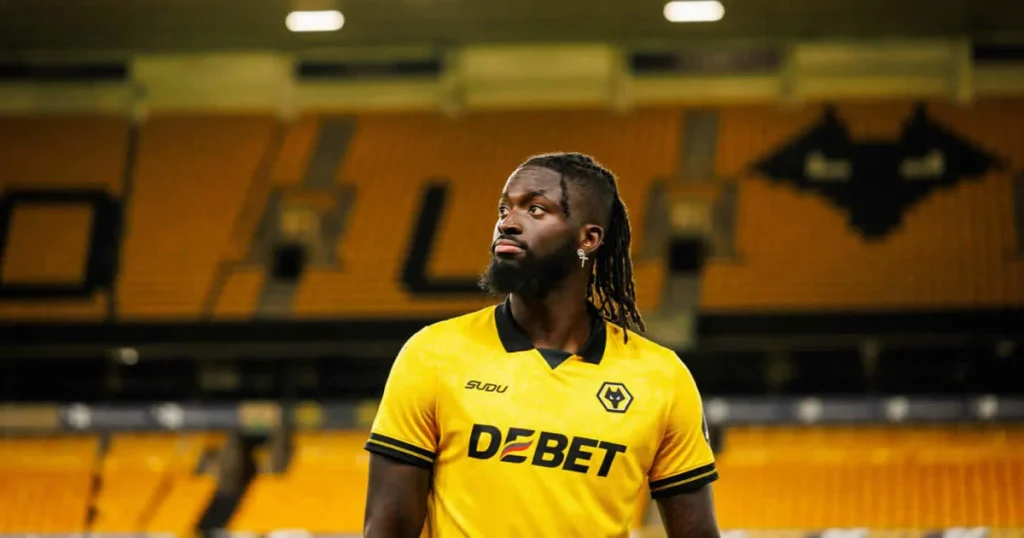
Sharing screenshots of the messages — without reproducing their content — Arokodare questioned how such behaviour continues unchecked.
“It’s still unbelievable to me that we’re playing in a time where people have so much freedom to communicate such racism without any consequences,” he wrote on Instagram. “These individuals should have no place in our game.”
The club pledged full support, stating that no player should face hatred “simply for doing their job”.
A pattern that refuses to fade
Sunderland issued a similar statement after Mundle received abuse following a substitute appearance in a 3–1 home defeat to Fulham.
The club said it was “appalled by the vile” messages and insisted those responsible “do not represent Sunderland AFC, our values, or our community”.
Local reports indicated the 22-year-old has since deleted his Instagram account. The incident follows a similar episode in February 2025, when Mundle, then playing in the Championship, publicly shared discriminatory messages sent to him online.
The recurrence underscores a wider structural problem: disciplinary frameworks inside stadiums have tightened over the past decade, but digital platforms remain a more difficult arena to police.
Where enforcement meets impunity
Both Wolves and Sunderland confirmed they are working with authorities and social media companies to identify those responsible.
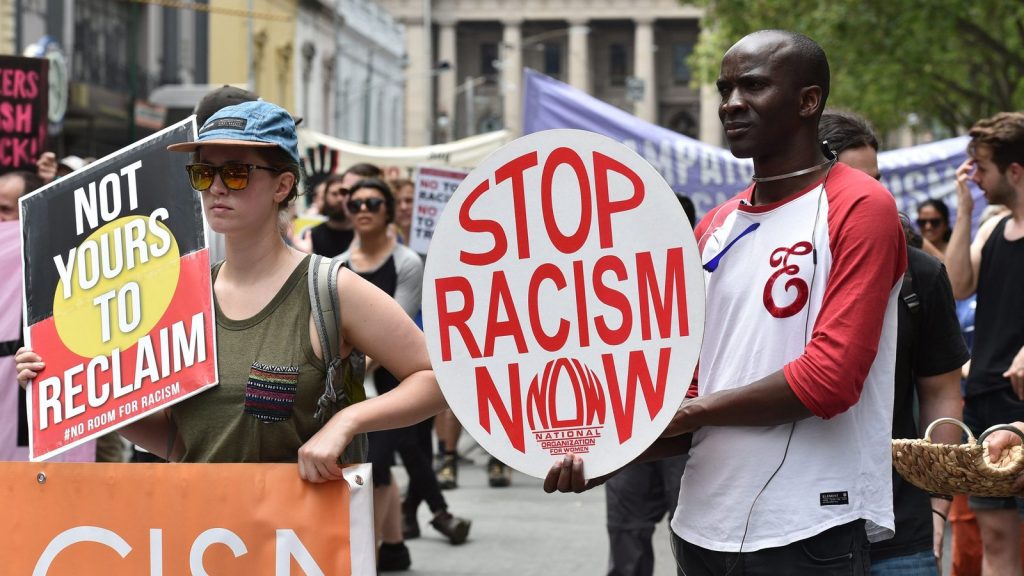
The Premier League condemned the abuse and warned of “serious consequences for anybody found guilty of discrimination”, including potential club bans and legal prosecution.
The system challenge is clear. Clubs can ban offenders from stadiums. Leagues can issue sanctions. But social media platforms operate across jurisdictions, often allowing anonymous accounts to evade immediate accountability.
Kick It Out’s message was pointed: players cannot be expected to tolerate abuse as part of their profession.
The weekend’s cluster of cases places renewed pressure on football authorities and digital platforms alike to demonstrate that consequences follow rhetoric.
Without visible enforcement, condemnation risks becoming routine — and routine risks becoming acceptance.
Graphic Caption
Wolves’ Tolu Arokodare and Sunderland’s Romaine Mundle were among four players targeted with racist abuse over the weekend.
This is IDNN. Independent. Digital. Uncompromising.
