
Byline: Energy & Economy Desk, IDNN
Nigeria’s fragile energy system has been thrown into turmoil after the Petroleum and Natural Gas Senior Staff Association of Nigeria (PENGASSAN) launched a nationwide strike against the Dangote Petroleum Refinery. By midday Monday, national electricity output had plunged to 2,700 megawatts, almost half of normal generation, while daily crude export losses were estimated at $110.8 million.
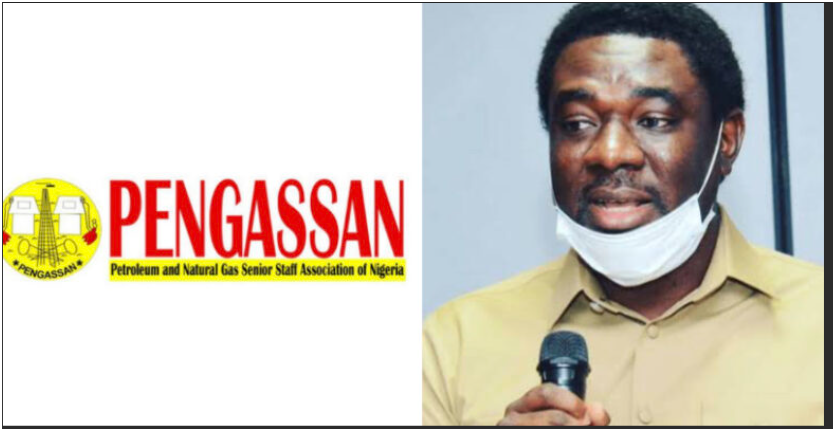
The industrial action follows the dismissal of more than 800 workers at the $20 billion Lagos-based refinery. The union insists the sackings were retaliation for attempts to unionise. Dangote Refinery denies the charge, claiming the move targeted sabotage and safety breaches.
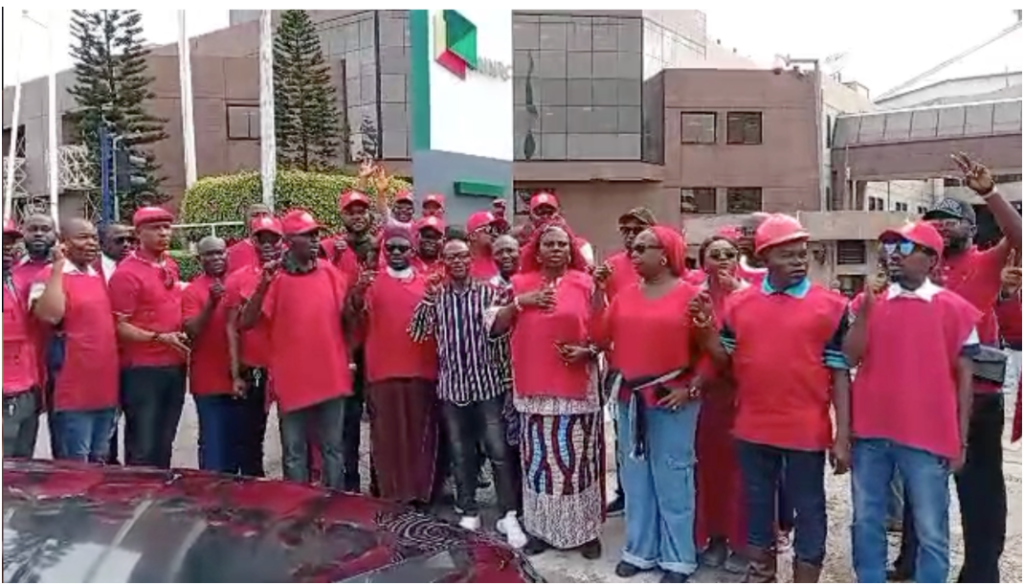
Escalation
The dispute quickly escalated into a battle for control over Nigeria’s most strategic private facility.
- Court orders: The National Industrial Court in Abuja issued an injunction restraining PENGASSAN from cutting off crude and gas supplies to the plant.
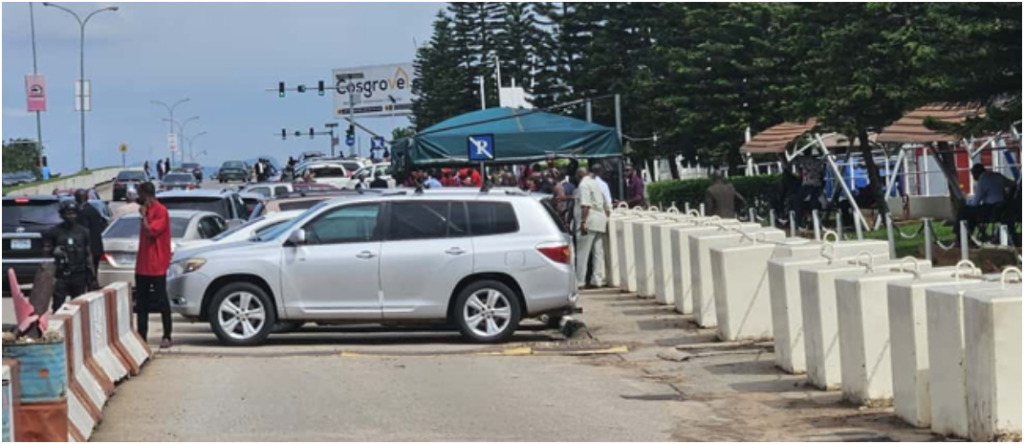
- Barricades: Union members blocked access to NNPCL Towers and key oil regulators in Abuja and Lagos.
- Threats: Intelligence reports alleged plans to physically sabotage refinery units, prompting Dangote to request heightened security.
Fallout
The strike has rippled far beyond refinery gates:
- Power Shortages: Grid output has collapsed, forcing selective load shedding and sparking fears of blackouts.
- Investor Panic: Business groups warn of eroded confidence in Nigeria’s refining renaissance.
- Fuel Queues: Pump price volatility looms as supply chains are threatened.
Former presidential candidate Peter Obi warned the dispute would “deepen poverty and damage investor confidence.” Senator Ali Ndume urged President Tinubu to dissolve PENGASSAN, calling the strike “economic sabotage.”
Deep Dive
At stake is more than a labour dispute—it is the future of Nigeria’s industrial relations in a post-subsidy era. The refinery, built to end decades of fuel import dependence, now risks paralysis from domestic unrest. Experts liken the standoff to a test case: can Nigeria protect multibillion-dollar private investment while safeguarding workers’ rights?
Energy analyst Joseph Tsavsar bluntly called the strike “economic sabotage.” Prof. Segun Ajibola, former CIBN president, added: “Fundamental rights are not absolute. National assets must be protected from destructive unionism.”
For PENGASSAN, however, this is about survival. Union President Festus Osifo insists: “These are careers at stake. If we don’t defend our people, they will never work in Nigeria again.”
As mediation collapsed after nine hours of talks, Finance Minister Wale Edun pleaded for compromise: “We need to resolve this stalemate and keep the economy on its growth trajectory.”
Impact
- Macroeconomic strain: Export freezes threaten Nigeria’s forex earnings.
- Industrial confidence: Investors question the stability of private mega-projects.
- Political test: Tinubu faces pressure to balance reformist zeal with union rights.
Without resolution, experts warn Nigeria could return to the “dark days of energy dearth,” jeopardising growth and fuelling hardship.
This is IDNN. Independent. Digital. Uncompromising.
