
🟥 Umeh Backs Obi’s One-Term Position As Zoning Calculations Deepen
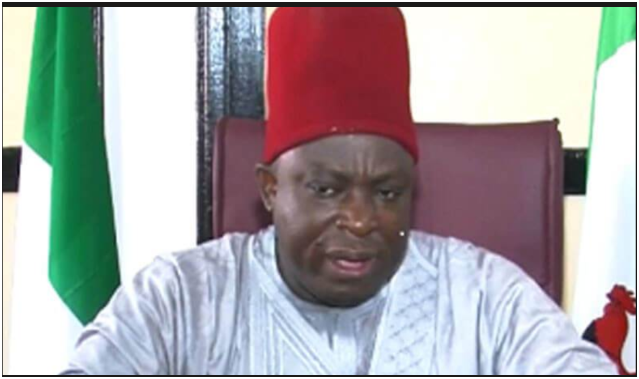
Fresh political calculations are emerging around Nigeria’s zoning argument after Senator Victor Umeh publicly backed calls for the presidency to remain in southern Nigeria beyond 2027.
The Obi southern presidency debate intensified after Umeh also reaffirmed claims that former Labour Party presidential candidate Peter Obi had committed to serving only one term if elected president.
According to Umeh, the arrangement would preserve the country’s rotational power structure while also addressing concerns surrounding fairness, equity, and regional inclusion within Nigeria’s political system.
The senator argued that Obi’s reported one-term commitment should not be interpreted merely as campaign messaging, but as part of a broader political understanding tied to Nigeria’s sensitive zoning framework.
🟨 Why The One-Term Signal Is Becoming Politically Important
The latest comments come at a time when conversations surrounding Nigeria’s future power arrangement are already quietly intensifying across major political blocs ahead of the 2027 elections.
Although President Bola Tinubu’s first tenure would ordinarily keep presidential power in southern Nigeria until 2031 if he secures re-election, opposition figures and coalition actors are increasingly attempting to reshape the succession calculations much earlier.
Inside political circles, Obi’s reported one-term position is now being interpreted by some analysts as an attempt to reassure northern political interests while simultaneously preserving southern claims to continued presidential rotation after the next electoral cycle.
For supporters of the arrangement, the one-term signal is increasingly being framed as a political bridge between competing regional interests ahead of 2027.
That strategic balancing effort has now transformed the Obi southern presidency debate from ordinary campaign positioning into a wider national discussion about trust negotiation, coalition-building, and long-term political stability.
🟥 Coalition Engineering Begins To Surface Across Opposition Camps
Political observers believe the renewed emphasis on Obi’s reported one-term commitment may also influence ongoing coalition positioning among opposition parties and political stakeholders searching for a united political platform ahead of 2027.
The National Opposition Coalition Debate (NDC) and wider opposition alignments have increasingly focused on how rotational agreements and power-sharing formulas could shape future alliances capable of challenging the dominance of the ruling All Progressives Congress.
For some political stakeholders, the one-term proposition could eventually emerge as a strategic compromise designed to reduce regional distrust and widen national political acceptance.
Others, however, argue that zoning negotiations alone may not ultimately determine electoral outcomes in a country facing persistent economic pressure, insecurity concerns, and governance dissatisfaction.
Still, the growing return of zoning conversations has once again highlighted how succession calculations ahead of 2027 are already quietly reshaping negotiations across multiple political camps.
🟨 Nigeria’s Next Power Negotiation May Already Be Quietly Underway
Although no formal coalition structure has yet emerged around the latest conversations, the increasing public emphasis on zoning and rotational agreements reflects how seriously political actors are now approaching questions of regional balance and succession management ahead of the next presidential election.
For many observers, the Obi southern presidency debate may now represent far more than a conversation about one candidate or one political party.
Instead, it increasingly reflects a broader national negotiation over how Nigeria manages political trust, regional inclusion, and the transfer of power within one of the country’s most sensitive democratic transitions since the return to civilian rule.
This is IDNN. Independent. Digital. Uncompromising.
