President Bola Ahmed Tinubu has officially approved the formation of the Nigerian Anti-Doping Agency (NADA) board, a critical step for Nigeria’s compliance with global sports regulations. The move is seen as part of Nigeria’s ongoing commitment to maintaining a clean sporting reputation on the international stage.
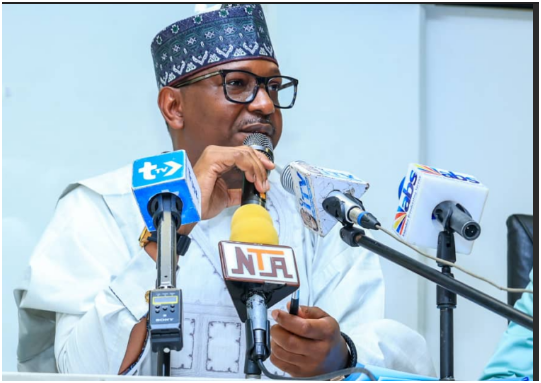
The announcement was made by Shehu Dikko, Chairman of the National Sports Commission (NSC), after he briefed the President at the State House in Abuja. According to Dikko, this decision is a major milestone following nearly two decades of legislative delay.
A 20-Year Wait for the Anti-Doping Bill
The Anti-Doping Bill, which had been pending for nearly 20 years, was finally signed into law by President Tinubu last year. Now, with the board’s constitution approved, the Nigerian Anti-Doping Agency is set to function fully, fulfilling a crucial demand from the World Anti-Doping Agency (WADA).
Dikko highlighted that the approval marked the end of a long wait, explaining, “WADA has been on our case. Mr. President signed the bill last year after almost 20 years in hiatus, and now he has approved the constitution of the board.”
He further emphasized that Nigeria has been cleared and declared a clean country in sports, noting that the nation is now firmly on the right track in terms of adhering to global anti-doping standards.
NSC’s Progress Report and Roadmap for 2026
Dikko also used the opportunity to brief the President on the NSC’s 2025 annual report, including the execution of earlier approvals and future plans for 2026. “It’s just a normal visit. The National Sports Commission reports to Mr. President. We came to brief him on what we have done last year and the plans for 2026. So far, Mr. President is very happy and excited with the progress,” Dikko said.
FIFA Petition Over DRC’s Alleged Breach
Amid discussions on sports governance, Dikko addressed Nigeria’s pending petition before FIFA over alleged breaches by the Democratic Republic of Congo (DRC) during the 2026 FIFA World Cup qualification playoffs. Nigeria lost the decisive playoff match against DRC on penalties on November 16, 2025, but later filed a formal complaint, accusing DRC of fielding ineligible players in violation of dual citizenship regulations.
Dikko explained that the NFF and the NSC had documented what they believed were breaches and submitted the evidence to FIFA for review. “It is not about being sore losers; it is about the rules. If there are breaches, you document them,” he said.

What’s Next for Nigeria in World Cup Qualification?
While Nigeria’s petition remains unresolved, Dikko expressed confidence that the Nigerian Football Federation (NFF)’s complaint would result in a favorable outcome. However, he made it clear that the Super Eagles have already shifted their focus to future goals and the next steps in their World Cup qualification campaign.
Looking Ahead to Clean Sports Governance
The approval of the Nigerian Anti-Doping Agency’s board signals Nigeria’s commitment to fair play and clean sports governance. The move is vital not only for Nigeria’s representation in international sports but also for securing the country’s future participation in global tournaments without fear of sanctions for doping violations.
This is IDNN. Independent. Digital. Uncompromising.
