
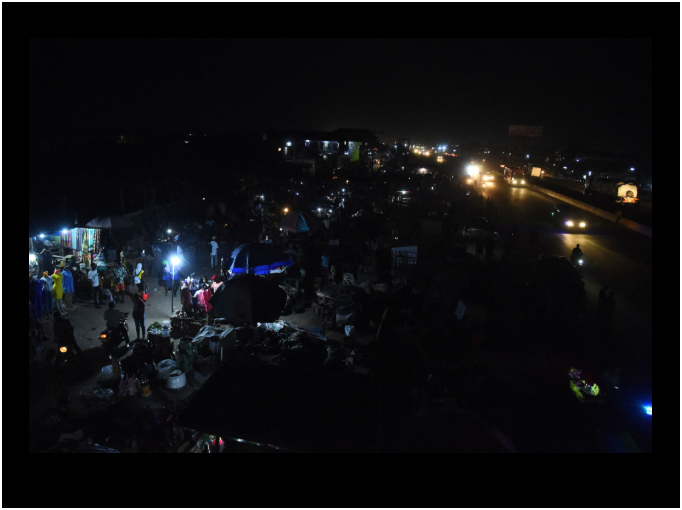
Nigeria’s electricity transmission system suffered another setback as the national grid collapse occurred for the second time in four days, plunging several parts of the country into darkness and disrupting power supply nationwide.
The latest collapse, confirmed by sector operators, affected electricity distribution companies across multiple regions, forcing load shedding and emergency restoration measures as engineers worked to stabilise the system.
Recurring system failures raise concern
Grid collapses occur when electricity generation, transmission, and load demand fall out of balance, triggering automatic shutdowns to protect infrastructure. While such incidents are not new, the frequency of recent failures has heightened concerns about the resilience of Nigeria’s ageing transmission network.
Energy analysts note that repeated collapses within a short period point to structural weaknesses, including limited transmission capacity, operational constraints, and inadequate redundancy within the grid.
Impact on consumers and businesses
The latest disruption led to outages across major urban centres and industrial hubs, affecting households, hospitals, small businesses, and manufacturers already grappling with high energy costs.
Many businesses were forced to rely on alternative power sources, increasing operating expenses and further straining productivity in an economy where electricity supply remains a critical constraint.
What authorities have said
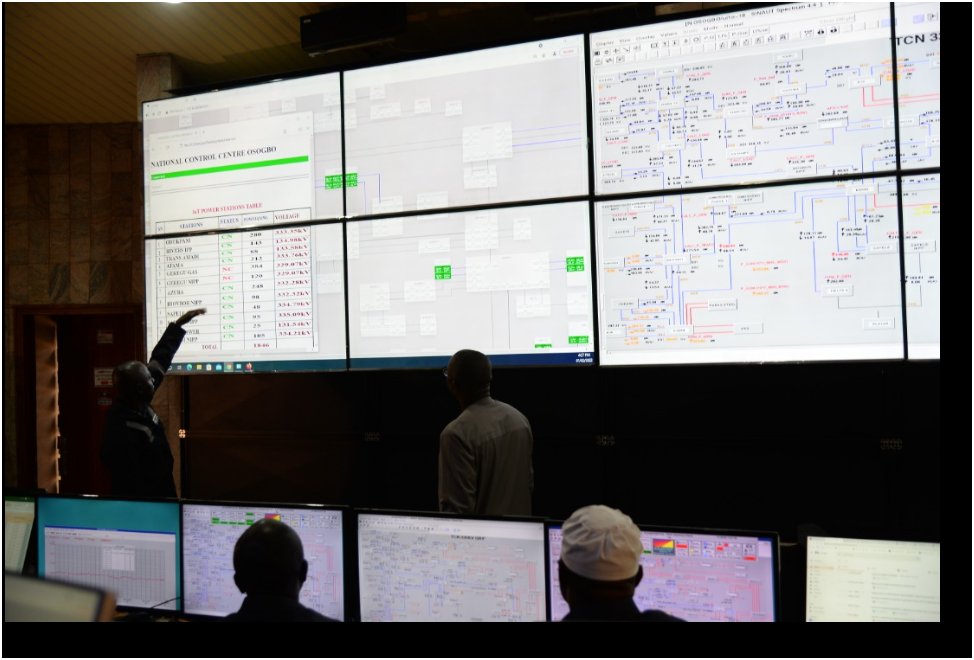
The Transmission Company of Nigeria (TCN), which manages the national grid, has in previous incidents attributed collapses to technical faults, frequency instability, and sudden changes in generation output.
While efforts are often made to restore supply within hours, industry experts warn that restoration alone does not address the underlying challenges facing the grid.
Calls for deeper reforms
Stakeholders in the power sector have repeatedly called for accelerated investment in transmission infrastructure, improved system management, and stronger coordination between generation, transmission, and distribution segments.
The federal government has outlined reform plans aimed at expanding grid capacity and reducing system failures, but critics argue that progress has been slow compared to the scale of demand growth and infrastructure decay.
As Nigeria continues to pursue electricity sector reforms, the latest national grid collapse has once again brought the debate over power reliability and long-term energy planning into sharp focus.
This is IDNN. Independent. Digital. Uncompromising.
