
By IDNN Metro & Governance Desk
Lagos Defends Demolition on Safety Grounds
The Lagos State Government has defended the recent demolitions in Makoko, describing the exercise as a safety-driven intervention aimed at preventing potential disasters linked to illegal settlements beneath high-tension electricity lines.
Officials said the affected structures posed a severe risk to occupants and surrounding communities, arguing that repeated warnings had been issued before enforcement teams moved in.

CAPPA Reports Widespread Displacement
However, the Community Action Against Poverty Initiative (CAPPA) said the demolitions resulted in the displacement of more than 10,000 people, many of whom lost homes, livelihoods, and personal belongings.
In a statement, the organisation criticised the operation as abrupt and insufficiently planned, warning that forced evictions without clear resettlement arrangements could worsen urban poverty and social instability.
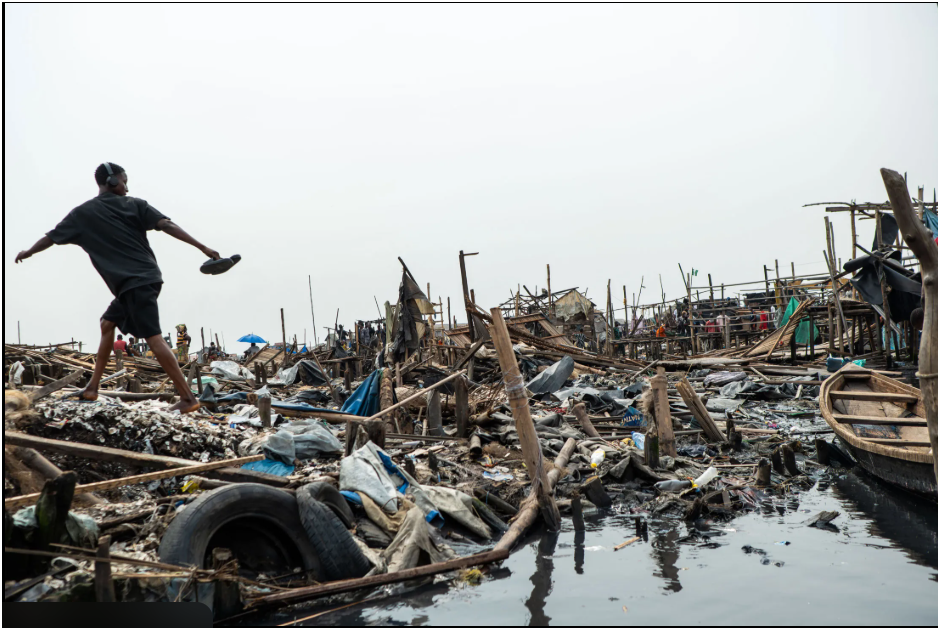
Residents Describe Humanitarian Impact
Residents interviewed by local and international media described scenes of panic as homes were pulled down, with families scrambling to salvage possessions. Several affected households said they were left without shelter, relying on relatives or makeshift arrangements in neighbouring communities.
Community leaders insisted that while safety concerns were valid, the manner of execution failed to account for the humanitarian consequences.

Policy Clash: Safety Versus Social Justice
Urban policy analysts note that Makoko sits at the centre of a long-running tension between Lagos’ drive for infrastructure safety and the realities of informal settlements in a rapidly expanding megacity.
Critics argue that clearance operations often proceed faster than the provision of affordable housing alternatives, leaving vulnerable populations exposed. Government officials counter that allowing settlements to remain under hazardous infrastructure would amount to state negligence.
Calls for Compensation and Resettlement
Civil society groups and public commentators have urged the Lagos State Government to publish clear compensation and resettlement plans for affected residents, including temporary shelters and long-term housing solutions.
They argue that safety enforcement must be matched with social protection measures to prevent deepening inequality in waterfront and low-income communities.

Broader Implications for Urban Governance
The Makoko demolitions have renewed scrutiny on how Nigerian cities balance development, safety regulation, and inclusive urban planning. As Lagos continues to expand, observers say the handling of informal settlements will remain a defining test of governance credibility and social responsibility.
This is IDNN.
Independent. Digital. Uncompromising.
