
A Tax System Under Pressure
Nigeria’s fiscal authorities have announced a major change to how informal sector taxes are collected, declaring that FG bans roadside tax collection as part of a broader effort to reform revenue practices affecting small businesses.
Officials say the decision will immediately end the widespread practice where agents stop traders, transport operators and small enterprises along roads to demand tax payments.
Instead, the government says it will introduce a presumptive tax framework aimed at simplifying compliance while reducing the risk of harassment and multiple taxation.
The reform comes at a moment when businesses across the country are already grappling with rising fuel prices and broader economic pressures.
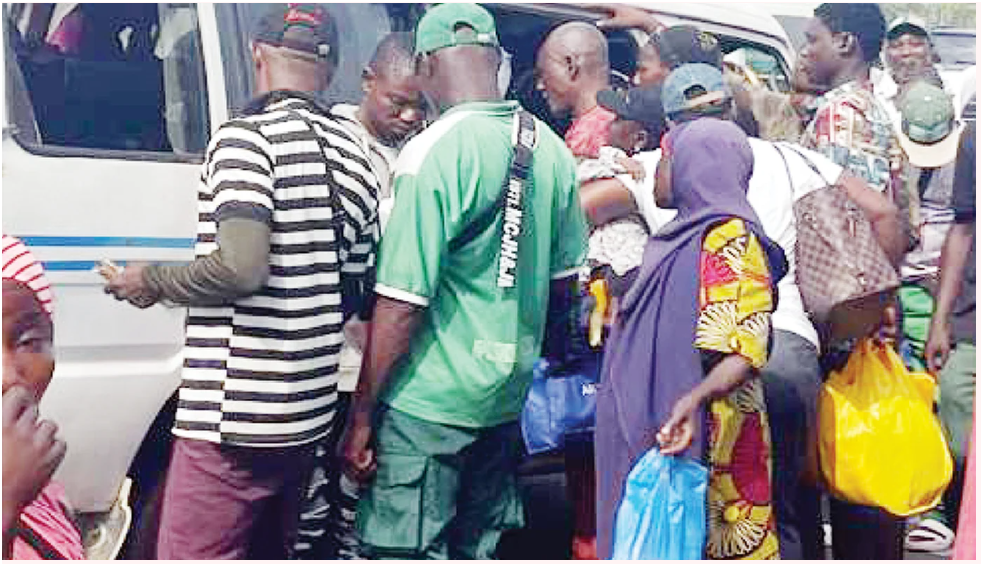
The Informal Levies That Frustrated Businesses
For years, roadside tax enforcement has been one of the most controversial elements of Nigeria’s revenue system.
Small business operators have frequently complained about:
- multiple tax collectors operating simultaneously
- inconsistent levies imposed across different jurisdictions
- disruption of transport and commercial activity
Industry groups have long argued that the practice discouraged business formalisation and created uncertainty for traders attempting to comply with tax obligations.
Authorities say eliminating roadside collections is intended to address those concerns.
A Simpler System For Small Businesses
Under the proposed presumptive tax framework, small businesses will pay a fixed or simplified tax amount determined by the scale of their operations rather than navigating complex tax calculations.
Government officials say businesses with annual turnover below ₦50 million will benefit from simplified compliance procedures and exemptions designed to encourage formal participation in the tax system.
The objective, according to policymakers, is to widen the tax base while reducing administrative friction for micro and small enterprises.
Why Governments Turn To Presumptive Taxes
Presumptive taxation systems are commonly used in developing economies where large segments of economic activity occur outside formal accounting structures.
Instead of requiring detailed financial reporting, authorities estimate tax obligations based on observable indicators such as business type, turnover category or sector activity.
The approach is intended to improve compliance while reducing the administrative cost of enforcing complex tax rules across millions of small operators.
Several emerging economies have adopted variations of the model as part of broader tax modernisation reforms.
Reform Meets Economic Reality
The government’s decision comes as Nigeria’s economic environment becomes increasingly challenging for small businesses.
Recent increases in fuel prices and transportation costs have already pushed operating expenses higher across multiple sectors.
Officials say reducing tax enforcement friction is part of a wider strategy to prevent excessive financial pressure on small enterprises while still maintaining government revenue streams.
The Real Test Begins After The Announcement
Yet as with many policy reforms in Nigeria, the real question lies not in the announcement but in the implementation.
Ending roadside tax collection will require coordination between federal agencies, state authorities and local governments — many of whom rely on various levies as sources of internally generated revenue.
If the reform succeeds, it could significantly reduce informal taxation pressures on businesses.
If enforcement falters, roadside collections could simply reappear under new names.
And that outcome will ultimately determine whether the reform eases the burden on Nigerian businesses — or becomes another policy promise struggling to take hold.
This is IDNN. Independent. Digital. Uncompromising.
