
A Billion-Naira Infrastructure Wave Begins
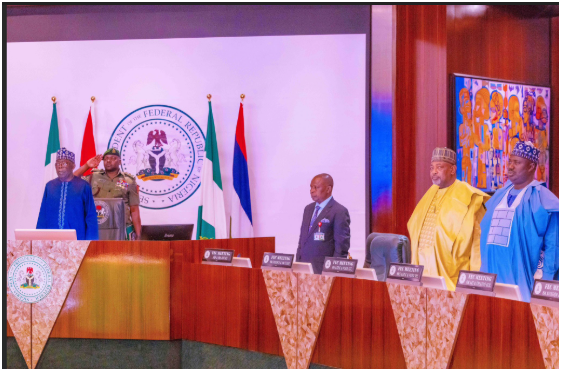
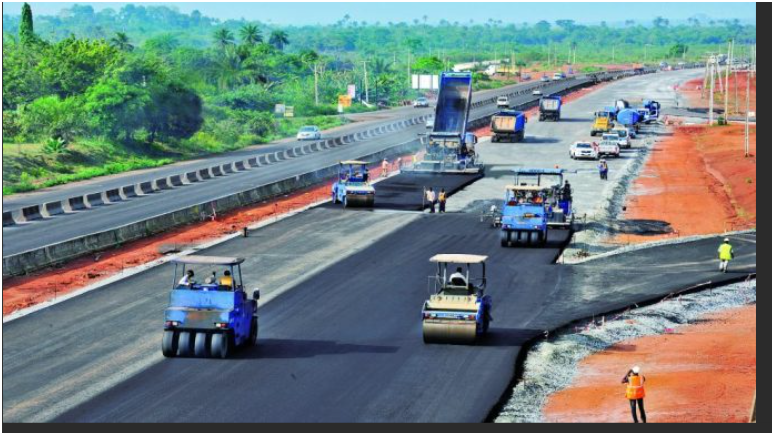
Nigeria’s Federal Executive Council has approved a new wave of large-scale road reconstruction projects across the country, including the ₦427 billion Ibadan–Ife–Ilesa highway upgrade, in a move officials say is designed to strengthen national transport infrastructure.
The council also cleared contracts for the ₦334 billion Kano–Kongolam road corridor and the ₦146 billion Abuja–Lokoja reconstruction project, two routes considered critical for trade movement between northern and southern markets.
Together, the projects represent one of the largest recent batches of federal road approvals.
Lagos’ Carter Bridge Faces Major Redesign
In Lagos, the council also approved plans affecting Carter Bridge, one of the city’s historic transport arteries.
Authorities say the project will involve demolition of sections of the existing structure and a redesigned crossing intended to improve traffic capacity between Lagos Island and the mainland.
The bridge remains one of the busiest entry points into the island’s commercial districts.
Infrastructure as an Economic Strategy
Officials say the projects are part of a broader strategy to modernise Nigeria’s transport network and reduce logistics bottlenecks that have long slowed economic activity.
Road transport remains the backbone of Nigeria’s supply chain, carrying the vast majority of goods and passenger movement across the country.
Improving highway conditions is widely seen as essential for reducing travel time, lowering vehicle operating costs and improving trade flows.
The Infrastructure Equation Nigeria Cannot Ignore
Yet the approvals come at a moment of significant economic pressure.
Nigeria is currently facing rising energy prices and persistent inflation, raising questions about how major infrastructure commitments will be financed and delivered.
Large road projects require sustained funding, technical oversight and long completion timelines — factors that have historically challenged infrastructure delivery in the country.
The Test Now Is Delivery
For policymakers, the approvals signal ambition.
For citizens and businesses that rely on Nigeria’s highways every day, the real question will be whether the projects move from announcement to asphalt.
Because in Nigeria’s infrastructure landscape, the true measure of progress is not how many roads are approved — but how many are actually completed.
This is IDNN. Independent. Digital. Uncompromising.
