
The warning from Nigeria’s electoral commission arrives at a delicate moment, with preparations for the 2027 general elections advancing under an old legal framework while lawmakers debate changes that could still reshape the process. For INEC, the risk is not readiness, but timing.
The clock is already moving
The Independent National Electoral Commission, Independent National Electoral Commission, said it has concluded its election timetable and schedule of activities based on the existing Electoral Act, noting that prolonged delays in passing amendments could force revisions.
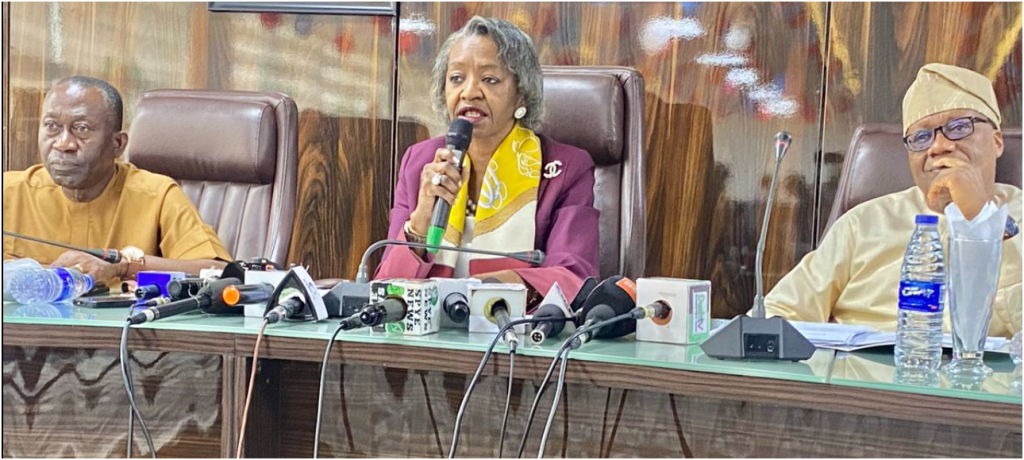
INEC Chairman Joash Amupitan raised the concern during the commission’s first quarterly consultative meeting with civil society organisations in Abuja, stressing that clarity in the law is essential for stable planning.
When laws arrive after logistics
Amupitan explained that while INEC has already made submissions to the National Assembly, any substantive changes introduced late in the amendment process would have operational consequences.
“While we have made our submissions to the National Assembly, the passage of the amendment may have implications for certain items in our timetable,” he said, adding that the commission has no choice but to operate within the current legal framework until a new law is enacted.
Readiness without certainty
Despite the uncertainty, the INEC chairman insisted the commission remains fully prepared for the 2027 polls. He announced plans for a nationwide voter revalidation exercise, describing a credible voters’ register as the foundation of free, fair and transparent elections.
Amupitan also urged civil society groups to intensify voter mobilisation efforts, particularly in the Federal Capital Territory, where ongoing Permanent Voter Card distribution is due to end on February 10 ahead of Area Council elections scheduled for February 21.
Pressure shifts to the legislature
In response to concerns about delays, the House of Representatives has dismissed claims that the National Assembly is deliberately stalling the amendment process. The Chairman of the House Committee on Electoral Matters, Adebayo Balogun, said the delay was procedural rather than political, expressing optimism that harmonisation between both chambers would be completed soon.
According to him, legislative work on the bill remains ongoing in the Senate, with expectations that the harmonised version could be finalised in the coming days.
Why timing matters more than intent
IDNN is running this story now because electoral credibility is often determined long before ballots are cast. When legal frameworks shift late in the cycle, even well-prepared institutions are forced into reactive adjustments that can strain logistics, confuse stakeholders and widen trust gaps.
The warning from INEC places responsibility squarely on lawmakers to decide whether the 2027 process proceeds with certainty or under avoidable pressure.
What slips if clarity doesn’t come
If amendments arrive too late, the cost will not only be administrative. Unclear rules risk voter confusion, operational bottlenecks and renewed disputes over process rather than outcome. As the 2027 timeline quietly advances, the margin for legislative delay is narrowing — and the consequences of inaction are becoming harder to ignore.
This is IDNN. Independent. Digital. Uncompromising.
