
From Fuel Pumps To Kitchen Fires
A new energy shock is unfolding across Nigeria as cooking gas prices jump in Nigeria, signalling what economists warn could become a second wave of household energy inflation.
Retail LPG prices that averaged ₦800 per kilogram in recent weeks are now climbing toward ₦900–₦950/kg in several markets, according to distributors and retail monitoring data.
The surge is hitting homes just days after petrol prices surged nationwide, meaning Nigerians are now facing a dual energy squeeze affecting both transportation and cooking costs.
For millions of households that depend on liquefied petroleum gas for daily cooking, the price jump represents another escalation in the country’s widening cost-of-living crisis.
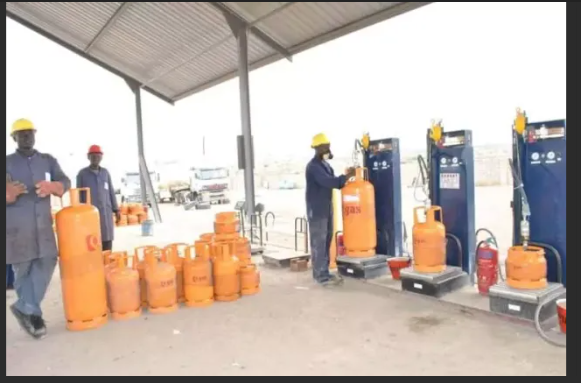
A Global Energy Shock Reaches Nigerian Kitchens
Market analysts link the LPG price increase to growing instability in global energy markets triggered by escalating tensions in the Middle East.
Energy traders say shipping risks around the Strait of Hormuz — one of the world’s most critical oil and gas transit corridors — have pushed up international gas and crude prices.
The narrow waterway carries roughly 20 percent of global energy shipments, including large volumes of liquefied petroleum gas exported from Gulf producers such as Qatar.
Any disruption to tanker movement through the corridor quickly translates into higher global energy prices, affecting import-dependent markets like Nigeria.
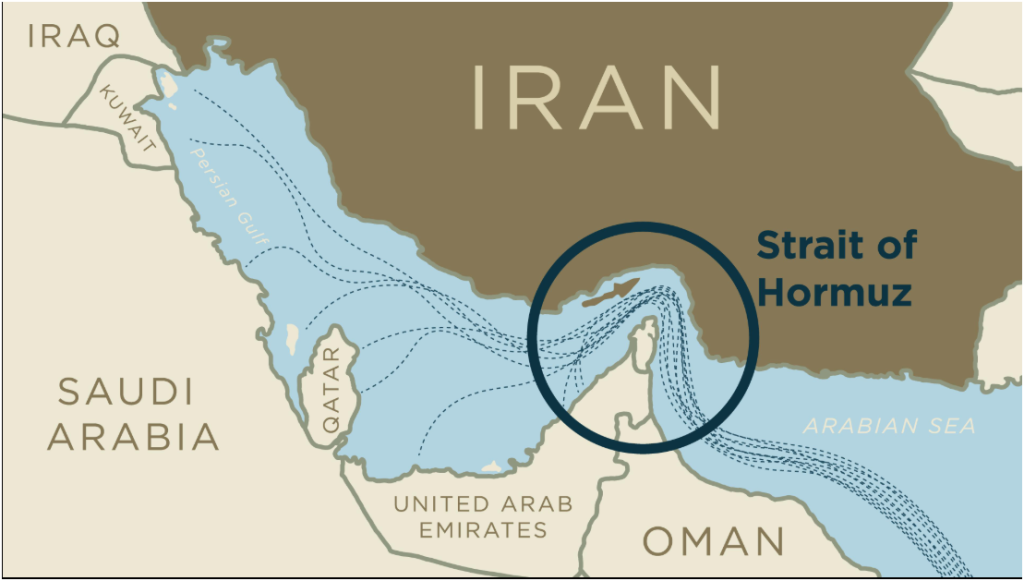
Why Gas Prices Move Faster Than Consumers Expect
Unlike petrol, which is influenced by domestic refining and distribution dynamics, Nigeria’s LPG market is heavily tied to international supply chains.
The country imports significant volumes of cooking gas, meaning domestic prices often reflect:
- global LPG benchmark prices
- freight and insurance costs
- exchange rate pressures
- terminal storage and distribution expenses
When geopolitical risks push up international prices, domestic LPG markets can adjust almost immediately.
The result is a rapid transmission of global shocks into local retail markets.
The Household Energy Squeeze Deepens
For many Nigerians, cooking gas was once promoted as a cleaner and more efficient alternative to firewood and kerosene.
However, repeated price spikes are threatening that transition.
Energy economists warn that sustained LPG inflation could push lower-income households back toward traditional fuels such as charcoal or firewood, reversing years of government campaigns encouraging cleaner cooking energy.
Beyond kitchens, the impact of rising gas prices may also spill into small businesses such as restaurants, food vendors and bakeries, many of which rely heavily on LPG for daily operations.
The Hidden System Driving Energy Inflation
Behind Nigeria’s energy price volatility lies a structural reality: the country’s energy markets remain deeply integrated with global commodity pricing.
Even when domestic supply improves, replacement costs, shipping risks and international benchmarks continue to influence local pricing.
This means geopolitical shocks thousands of kilometres away — whether in the Gulf, Europe or global shipping routes — can quickly transmit into Nigerian households.
The effect is a powerful reminder that energy markets operate as interconnected global systems.

The Cost-of-Living Equation Is Changing
When petrol prices rise, transportation costs increase.
When cooking gas prices follow, household food preparation becomes more expensive.
When both happen at the same time, the result is a cascading economic pressure that affects nearly every layer of daily life.
In Nigeria’s fragile inflation environment, the combination of rising transport costs and rising cooking fuel costs may soon begin pushing the broader cost-of-living crisis into an even more difficult phase.
Because when energy becomes expensive everywhere — from the road to the kitchen — the entire economy eventually feels the heat.
This is IDNN. Independent. Digital. Uncompromising.
