
Beijing signals — markets listen
China scrap tariffs Africa announcement was delivered as part of Beijing’s broader economic engagement strategy with the continent.
The tariff removal, scheduled to begin in May, is expected to apply to a significant category of goods exported from African countries to China, although detailed product lists and implementation mechanics are expected in subsequent trade notices.
For African exporters, the immediate implication is improved price competitiveness within the Chinese market.
Trade access — and leverage
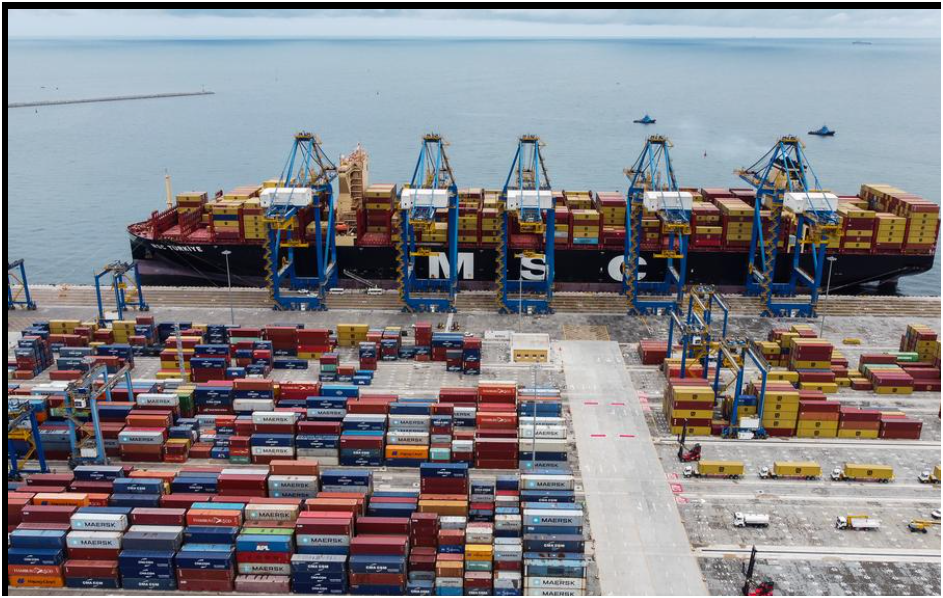
China has remained one of Africa’s largest trading partners for over a decade. By scrapping tariffs, Beijing is reducing entry barriers for African commodities, agricultural goods and potentially manufactured exports.
However, trade flows between China and Africa have historically been asymmetric, with African economies exporting largely raw materials while importing higher-value manufactured products.
The tariff decision could alter margin dynamics — but structural trade composition remains a central variable.
Strategic timing in a shifting global order
The policy comes at a time of intensifying global trade recalibration.
With supply chains being reconfigured and Western markets tightening industrial policies, China’s tariff removal may be interpreted as both economic outreach and geopolitical positioning.
Lower tariffs can expand African export volumes. They can also deepen Beijing’s influence across infrastructure, energy and digital sectors tied to trade corridors.

Opportunity — but not automatic transformation
Zero or reduced tariffs alone do not guarantee export expansion. African producers must still meet quality standards, logistics requirements and scale thresholds demanded by Chinese buyers.
Countries with established export infrastructure may benefit faster. Others may face constraints tied to transport costs, certification processes or limited production capacity.
The announcement therefore creates opportunity — but not uniform advantage.
A recalibrated economic axis
China scrap tariffs Africa initiative reflects more than a customs adjustment. It signals an evolving economic axis between Beijing and African capitals.
Whether the policy leads to diversified African exports or reinforces existing commodity patterns will depend on domestic industrial strategy, regulatory readiness and trade negotiation leverage.
In trade diplomacy, concessions open doors.
Competitiveness decides who walks through.
This is IDNN. Independent. Digital. Uncompromising.
