
Nigeria did the hard part on the track.
Then the team never made the start line in Budapest.
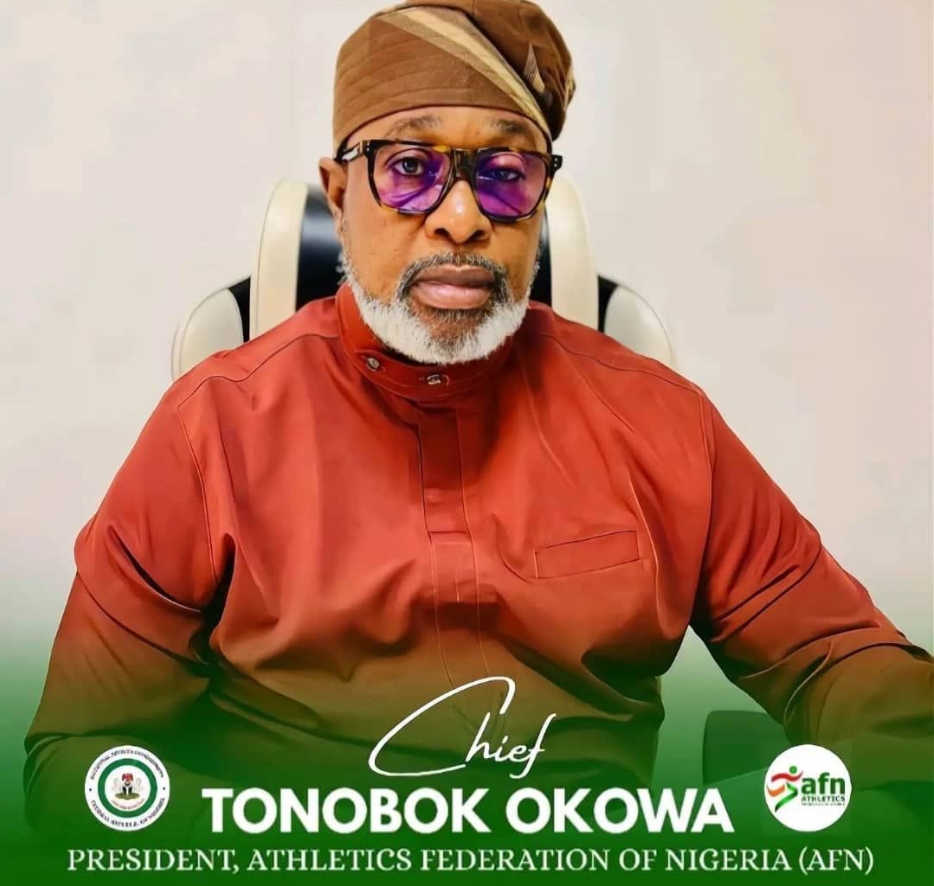
Athletics Federation of Nigeria president Tonobok Okowa has called for easier visa processing for Nigerian athletes after the country failed to compete in the mixed 4x100m relay at the World Athletics Ultimate Championship.
Nigeria had already earned its place in the event.
World Athletics confirmed that the country finished among the six teams that secured automatic qualification for the mixed 4x100m at the World Relays in Gaborone, alongside Canada, Germany, Jamaica, Spain and the United States.
But when the final was held in Budapest, Nigeria was absent.
World Athletics’ official result lists the United States, Jamaica, Great Britain, Canada, Spain, Germany, Hungary and the Netherlands as the eight teams that competed. Nigeria does not appear in the field.
For the AFN, that absence has become more than a missed race.
It has become a warning about what can happen when qualification on the track is not matched by the ability to get athletes to the venue.
Okowa calls for easier visa processing
Okowa says visa-processing difficulties prevented Nigeria from fielding its mixed relay team in Budapest and has called for a smoother system for athletes who have already qualified for major international competitions.
Visa complications affected members of the Nigerian relay group and prevented them from travelling in time for the championship.
The consequence was brutal.
Nigeria had qualified to race.
Nigeria did not get the chance to start.
A place earned but never used
The mixed 4x100m place was not handed to Nigeria by invitation.
It was earned through competition.
World Athletics confirmed Nigeria as one of the automatic qualifiers after the World Relays in Gaborone.
That makes the Budapest absence more damaging than a routine travel disruption.
The athletes had already done enough on the track to secure a place at one of the season’s biggest global meetings.
The final still went ahead without Nigeria.
The United States won the race, with Jamaica and Great Britain also finishing on the podium.
Nigeria’s chance disappeared before a baton was exchanged.
The issue goes beyond one championship
Okowa’s intervention shifts the argument from one missed event to a wider structural problem.
Elite athletics runs on fixed calendars. Qualification windows close. Major championships do not wait for paperwork to catch up.
That means travel administration becomes part of competitive preparation.
Coaching matters.
Selection matters.
Fitness matters.
So does getting the athletes to the venue.
Nigeria’s mixed 4x100m team had already completed the sporting qualification.
Budapest showed what happens when the pathway between qualification and participation breaks down.
The AFN now wants that problem treated as more than an inconvenience.
For Nigerian athletes, the lesson is clear: earning the right to compete should not be followed by a race against paperwork just to reach the start line.
