
The Confederation of African Football has opened the race to host the 2028, 2032 and 2036 Africa Cup of Nations, setting up a long-term battle among its 54 Member Associations for the continent’s biggest football tournament.
The move signals a wider shift in CAF’s planning cycle, with three future editions now placed into one bidding process. It also raises the pressure on African federations to prove they can deliver tournaments that meet modern technical, commercial and operational demands.
CAF Invites 54 Associations To Bid
CAF has invited all 54 Member Associations to compete for the hosting rights. The process covers the 2028, 2032 and 2036 editions of AFCON, giving countries a chance to position themselves for one of the continent’s most powerful sporting platforms.
For football associations, the stakes are high. Hosting AFCON is no longer just a sporting honour. It is a test of stadium readiness, government backing, broadcast strength, commercial planning, security, transport and fan experience.
Selection Process To Test Tournament Readiness
CAF said the bidding framework was designed to support a transparent and competitive process, according to reports citing the announcement. The framework was developed with support from PwC and other technical, financial and legal advisers.
That detail matters because AFCON has become too large to be treated as a last-minute hosting exercise.
The tournament now demands long-range planning, stronger infrastructure and clearer commercial thinking. Any successful bidder will have to show more than football passion. It must show delivery capacity.
2027 AFCON Remains The Next Test
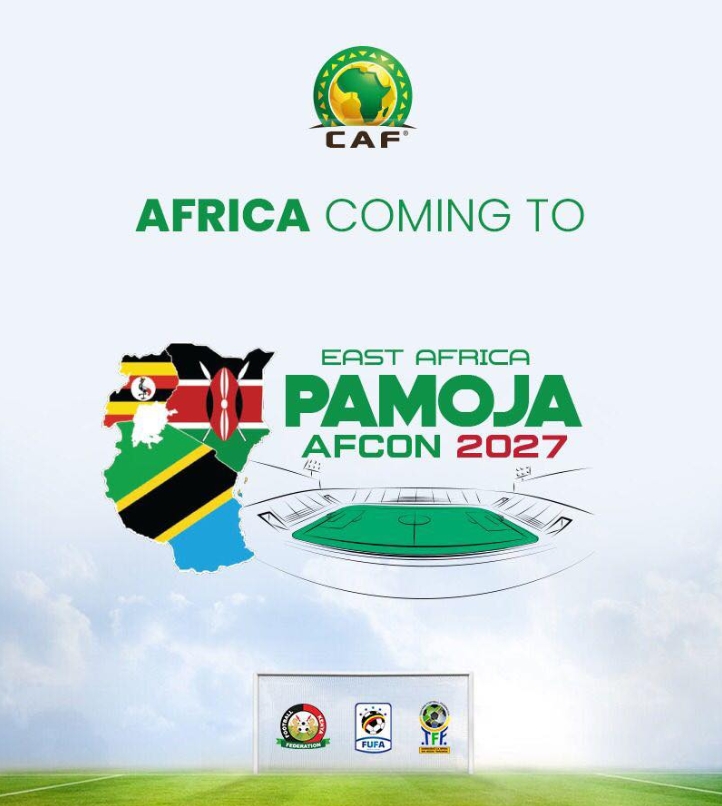
Attention will first turn to the 2027 AFCON, which is scheduled to be jointly hosted by Kenya, Tanzania and Uganda from June 19 to July 17, 2027.
That tournament will be a major East African moment and a live test of CAF’s multi-country hosting model. Its success or failure could shape how future bids are judged for 2028, 2032 and 2036.
The next phase of AFCON hosting will therefore be watched closely by federations, governments, sponsors and broadcasters across the continent.
AFCON’s Commercial Weight Keeps Rising
CAF has repeatedly pushed AFCON as one of football’s major global properties, and the uploaded source says the tournament attracts a cumulative global television audience of more than 3.2 billion viewers, alongside more than six billion digital views.
Those numbers explain why hosting has become a bigger prize.
For countries that can deliver, AFCON offers visibility, tourism, infrastructure momentum, political prestige and commercial opportunity. For CAF, the bidding process is a chance to raise standards and lock future editions into a stronger planning structure.
The race is now open.
What comes next will show which African football nations have the ambition, money and organisational strength to host the continent — and which ones only have the desire.
