
🟥 Gbajabiamila Reveals Presidential Anger During Lagos Assembly Power Crisis
Femi Gbajabiamila has disclosed that President Bola Tinubu nearly sanctioned him at the height of the Lagos State House of Assembly crisis after intelligence reports allegedly linked him and Desmond Elliot to moves against Speaker Mudashiru Obasa.
The revelation has now pulled back the curtain on the level of distrust, pressure, and political sensitivity surrounding the Assembly confrontation that rattled the Lagos APC establishment.
According to Gbajabiamila, the presidency received reports suggesting that forces within the Lagos political structure were aligning behind efforts to destabilise the Assembly leadership — a development that reportedly triggered Tinubu’s anger.
“Mr President was very upset with me,” Gbajabiamila said while recounting the internal fallout from the crisis.
The disclosure immediately reframed the Lagos Assembly confrontation from a routine legislative dispute into a deeper test of loyalty and influence within Nigeria’s ruling political hierarchy.
🟨 Desmond Elliot’s Name Became Politically Explosive Inside APC Circles
The Tinubu Desmond Elliot Lagos Assembly crisis intensified after Desmond Elliot’s name repeatedly surfaced in conversations surrounding alleged attempts to weaken Obasa’s leadership during the Assembly standoff.
Within APC circles, the suggestion that senior political figures or loyalists could be quietly backing alternative alignments reportedly created anxiety over possible fractures inside Lagos’ tightly controlled political structure.
Gbajabiamila explained that the allegations became serious enough for him to directly clarify his position and reassure the presidency that he was not involved in any political plot against the Speaker.
That clarification became critical because Lagos remains the symbolic nerve centre of APC power, where political perception alone can trigger suspicion, pressure, and strategic distancing.
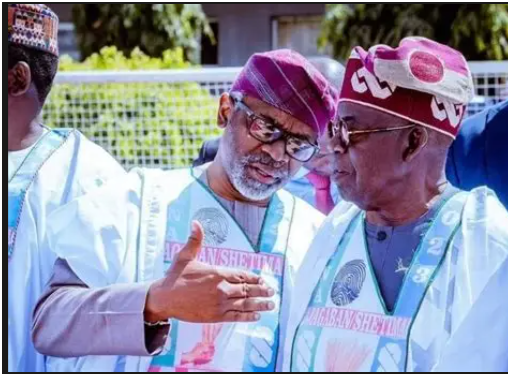
🟥 Lagos Assembly Crisis Exposed Fragile Loyalty Lines Within APC Structure
Beyond the legislative drama, the Lagos Assembly crisis exposed fragile balancing lines inside the APC power architecture.
The confrontation quickly evolved into a high-stakes political episode involving competing loyalties, influence blocs, and fears of internal realignment within one of Nigeria’s most powerful political ecosystems.
Political analysts say Gbajabiamila’s revelation confirms that the crisis was being monitored at the highest levels of presidential political authority because of concerns over what any successful challenge to Assembly leadership could signal for broader APC stability in Lagos.
The development also reinforces how closely Lagos political affairs remain tied to Tinubu’s wider national political structure, making even internal Assembly disputes matters of strategic importance.
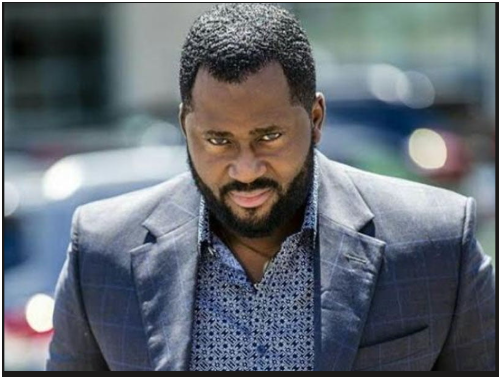
🟨 Why The Revelation Could Reignite Debate Inside Lagos APC
Gbajabiamila’s comments are likely to reopen debate over who truly drove the Assembly confrontation and whether hidden factional tensions still exist beneath the surface of Lagos APC politics.
The disclosure also highlights how political survival within elite structures is often shaped not only by direct actions, but by perception, association, and the interpretation of loyalty during moments of institutional crisis.
For many observers, the most striking part of the revelation is not simply that Tinubu was angry — but that the presidency appeared convinced enough by the reports to consider punitive action against one of its closest political allies.
That alone underscores the intensity of the pressure and mistrust that surrounded the Lagos Assembly power struggle.
