
FG Reveals List of Alleged Terror Financing Sponsors — But Where Is Enforcement?
The Federal Government has identified 48 individuals and entities allegedly linked to terrorism financing, according to disclosures associated with ongoing national security and financial intelligence investigations.
Security sources familiar with the development indicate that the list emerged from coordinated tracking of financial flows connected to insurgent activities, although full operational details and identities have not yet been publicly disclosed in detail.
The announcement marks a significant intelligence milestone — but it has also triggered a pressing national question:
If the networks have been identified, why has enforcement not followed?
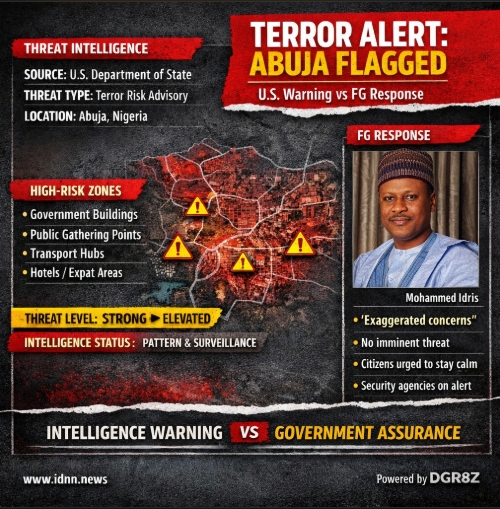
🟨 Official Position Emerges — Commitment Stated, Action Expected
Government officials have maintained that counter-terrorism efforts remain ongoing and complex, emphasising due process and the need for thorough investigation before arrests are executed.
A senior government source, speaking within the framework of ongoing operations, noted:
“Identifying individuals linked to terror financing is only one phase. Enforcement actions must follow established legal and intelligence procedures to ensure successful prosecution.”
The statement reflects a cautious approach, but one that is now under increasing public scrutiny.
🟥 Public Reaction Intensifies — ‘Exposure Must Lead to Action’
Across Nigeria, public reaction has been swift and forceful, with citizens and analysts demanding immediate arrests, asset freezes, and prosecution of those allegedly involved.
Critics argue that announcing names without visible enforcement risks:
- weakening deterrence
- emboldening illicit networks
- undermining trust in security institutions
For many, the issue is no longer about uncovering networks — but about dismantling them.
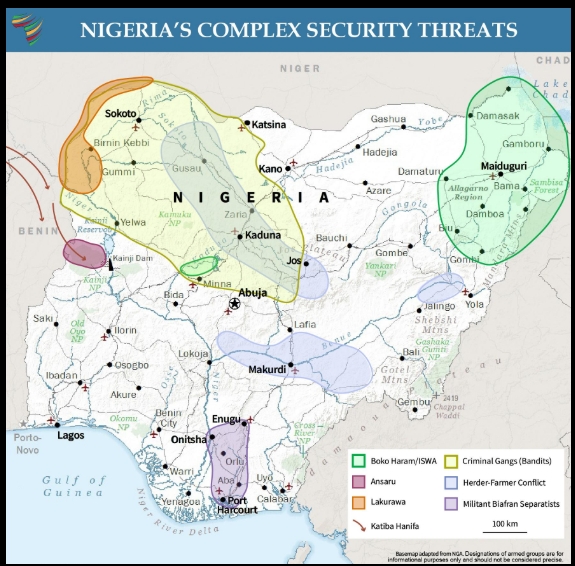
🟨 System Gap Under Spotlight — Intelligence vs Enforcement
The FG identifies 48 alleged terror sponsors development has exposed a recurring structural challenge within Nigeria’s security framework:
👉 intelligence breakthroughs are achieved
👉 networks are mapped
👉 but enforcement timelines remain unclear
Experts stress that effective counter-terrorism requires a full chain response:
- identification
- surveillance
- arrest
- prosecution
- asset disruption
Any delay within this chain risks compromising the entire operation.
🟥 Why This Story Matters Now
This development sits at the intersection of national security, legal process, and public accountability.
It highlights the tension between operational secrecy and public expectation, and raises critical questions about the state’s ability to convert intelligence findings into judicial outcomes.
At stake is not just the success of a single investigation — but the credibility of Nigeria’s broader counter-terrorism framework.
🔴 Pressure Shifts to Action Phase
By identifying 48 alleged terror financing sponsors, the government has moved the conversation from suspicion to exposure.
Now, the pressure has shifted decisively.
👉 Nigerians are demanding action
👉 Institutions are under scrutiny
👉 And the next phase — enforcement — will determine whether this moment becomes a breakthrough or a test of credibility
🟥 This is IDNN. Independent. Digital. Uncompromising.
