
Tinubu Reforms Backlash Enters Multi-Voice National Debate
The Tinubu reforms backlash has evolved into a nationwide debate, with labour leaders, opposition figures, economists, and government officials offering sharply different interpretations of the same policy direction.
At the centre is the administration of Bola Ahmed Tinubu, whose economic reforms are now being tested not just by outcomes—but by public perception.

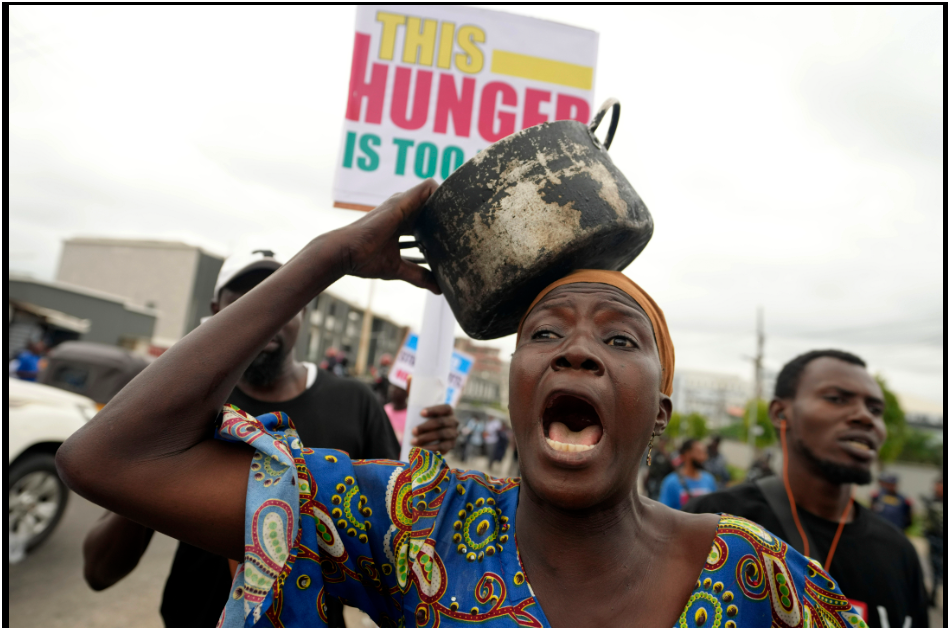
Labour Pushback — “Costs Are Outpacing Survival”
Leaders of organised labour have taken one of the strongest positions.
Joe Ajaero has repeatedly warned that rising costs of living are overwhelming workers, arguing that wages have not kept pace with inflation and tariff increases.
The Nigeria Labour Congress maintains that without immediate relief measures, economic pressure on households could escalate into broader social tension.
👉 The core labour argument: reforms without protection are unsustainable.
🟦 Opposition Voices — “Right Policy, Wrong Execution”
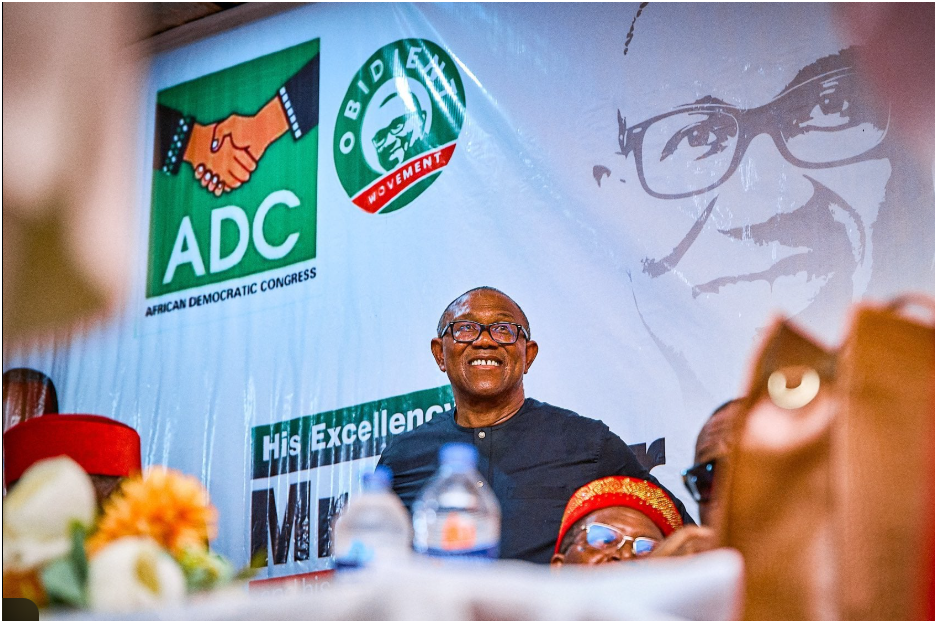
Opposition figures have not rejected reform outright—but have sharply criticised its sequencing and implementation.
Peter Obi has argued that while structural reform is necessary, it must be accompanied by deliberate cushioning strategies to protect vulnerable Nigerians.
Similarly, Rabiu Musa Kwankwaso has pointed to the rising hardship across the country, questioning whether the current pace of reform aligns with the realities faced by citizens.
👉 The opposition framing: reform is not the issue — execution is.
🟩 Government Defence — “Difficult Choices for Long-Term Stability”
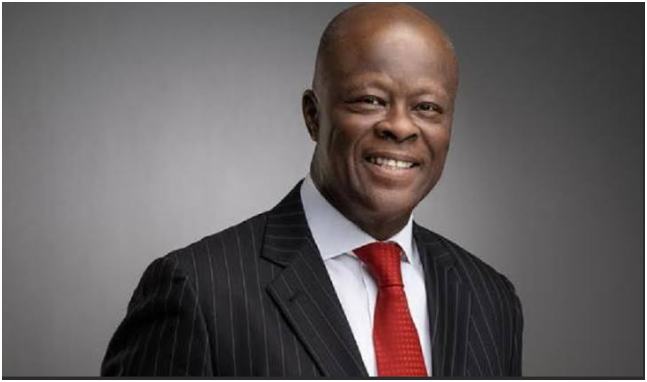
Government officials continue to defend the reforms as unavoidable.
Finance Minister Wale Edun has emphasised that fiscal restructuring is essential to restore economic balance and attract investment.
Meanwhile, policy officials insist that subsidy removal, tariff adjustments, and broader economic measures are designed to correct long-standing distortions in the system.
👉 The government position: short-term pain is necessary for long-term gain.
🟨 Economic Experts — “Reform Must Be Matched With Protection”
Economists have largely taken a middle-ground position.
Bismarck Rewane supports the direction of reform but has cautioned about inflationary pressure and the need for careful sequencing.
Pat Utomi has also stressed that reforms must be supported by effective social safety mechanisms to avoid deepening inequality.
The expert consensus: reforms are necessary—but incomplete without protection.
One Policy, Four Interpretations
- Labour → hardship and survival pressure
- Opposition → execution failure
- Government → structural necessity
- Economists → conditional support with warnings
The same set of reforms is now being read through four different lenses:
👉 This is no longer a single narrative—it is a multi-front national argument.
Economic Pressure Meets Political Risk
As the Tinubu reforms backlash grows, the political implications are becoming clearer.
Sustained economic hardship could:
- reshape public perception of governance
- strengthen opposition narratives
- increase pressure on policy adjustments
👉 Economic policy is now directly influencing political momentum.
A TEST OF BOTH POLICY AND TRUST
Nigeria has entered a critical phase where reform is no longer judged by intention—but by impact.
The question is no longer whether reform is needed.
👉 It is whether Nigerians can endure the cost—and believe in the outcome.
