
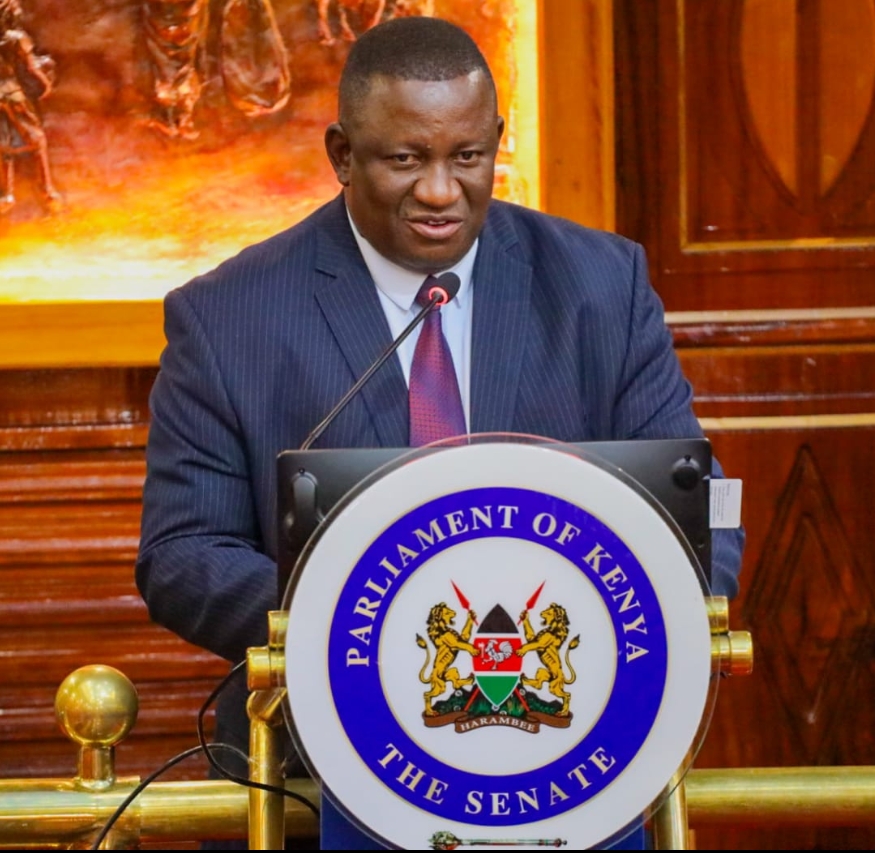
Kenya say they have paid the required $30 million hosting fee to CAF, a major step in securing their part of the joint hosting plan for the 2027 Africa Cup of Nations with Tanzania and Uganda. Sports Cabinet Secretary Salim Mvurya said on Tuesday, March 31, that the government had now met its “financial and institutional obligations” to CAF.
The headline is not just the payment itself. It is the shift from deadline pressure to delivery pressure. Reports around the payment said Kenya had been racing to meet a March 30 deadline tied to the $30 million fee, with concerns that delays could damage the country’s standing in the co-hosting plan.

Government says structure is now being tightened
Mvurya also said the government has restructured the Local Organising Committee into a multi-agency body that brings together public- and private-sector actors across key delivery areas. That matters because this story is now about capacity as much as cash. Kenya are not trying to win the bid anymore. They are trying to prove they can deliver the tournament.
The next phase is clear. Following CAF’s recent inspection process, Kenya say they will accelerate work on stadiums, training sites, transport, logistics, safety, security, and broadcast standards. Xinhua’s report on Mvurya’s statement said the government was responding to the inspection recommendations with urgency and accountability.
Inspection reality still hangs over the story
CAF’s inspection team announced in February that it would visit key sites in Nairobi, including Kasarani Stadium, Nyayo Stadium, Talanta Sports City, the Ulinzi Sports Complex, and the Kenya Academy of Sports. That inspection programme matters because it shows where the real stress point now sits: infrastructure readiness.
So the payment solves one problem, but not the bigger one. The bigger one is execution. Kenya can now point to compliance on the financial side, but the real test will be how quickly the host nations move from pledges and committees to venues and systems that meet CAF standards.
Why this matters beyond Kenya
This is also bigger than one country. Reuters reported this week that CAF president Patrice Motsepe said the 2027 tournament will go ahead as planned in Kenya, Tanzania, and Uganda. That keeps East Africa on track for one of the biggest football events the region has ever staged.
For Kenya, though, the message is simple. Paying the fee keeps the hosting project stable for now. But from this point, the story will be judged less by promises and more by visible progress. That is where the next governance headlines will come from.
This is IDNN. Independent. Digital. Uncompromising.
