
A law signed — and instantly contested
The Electoral Act 2026 controversy escalated in Abuja as opposition leaders gathered to demand immediate amendments to the newly enacted legislation, warning that its implementation could undermine electoral credibility ahead of the 2027 general elections.
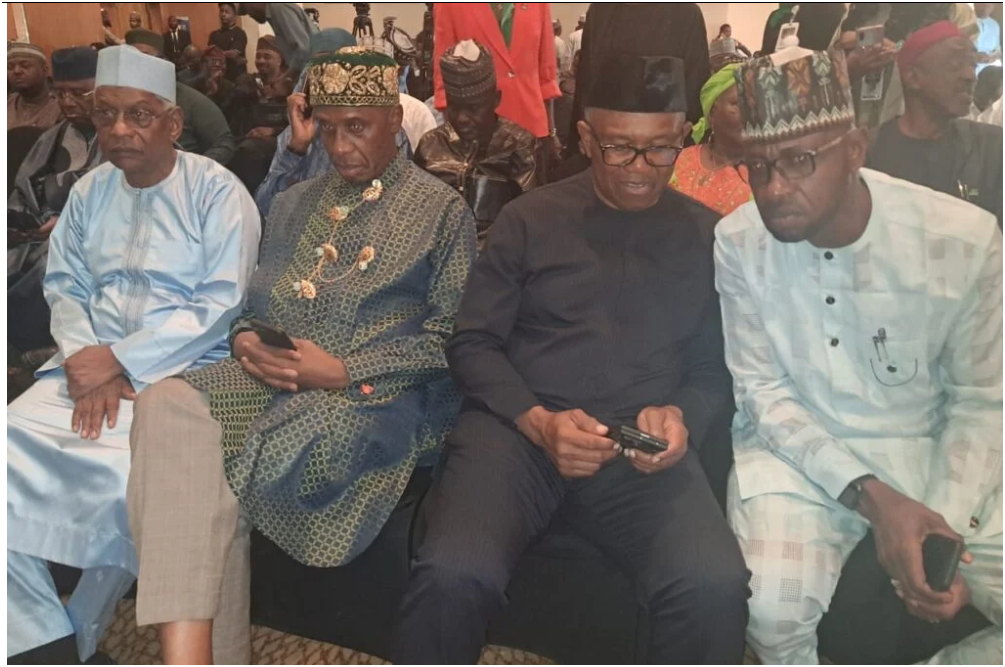
Former Vice-President Atiku Abubakar, Labour Party’s 2023 presidential candidate Peter Obi, and former Rivers State Governor Rotimi Amaechi were among prominent figures who criticised key provisions of the law.
They argued that specific clauses weaken transparency safeguards introduced in previous reforms.
Section 60(3) becomes the flashpoint
Central to the dispute is the proviso in Section 60(3), which allows presiding officers to rely on Form EC8A in the event of transmission failure.
Opposition leaders contend that the clause creates discretionary space that could be exploited to delay or frustrate real-time electronic transmission of results to the INEC Results Viewing Portal (IReV).
They cited statements from former electoral officials and telecommunications data to argue that network coverage is sufficiently robust for mandatory electronic transmission nationwide.
According to them, any manual fallback mechanism risks reopening avenues for result manipulation.
Party primaries and autonomy debate
Another point of contention is the restriction of candidate nomination methods to direct primaries and consensus arrangements.
Opposition leaders argued that removing indirect primaries encroaches on the constitutional autonomy of political parties to determine their internal processes.
They maintained that prescribing specific nomination modes through legislation interferes with party self-governance.
Calls were made for the National Assembly to immediately initiate fresh amendments to expunge what critics described as “contentious provisions.”
Presidency pushes back forcefully
Responding to the allegations, the Presidency dismissed the opposition’s claims as exaggerated and misleading.
Officials argued that the 2026 amendments enhance transparency while recognising technical realities such as network disruptions.
They maintained that real-time transmission is not prohibited under the new law and that Form EC8A remains the primary legally recognised document for validating results.
Presidential aides also rejected assertions that the reforms were designed to tilt the political playing field.
Senate insists on procedural route
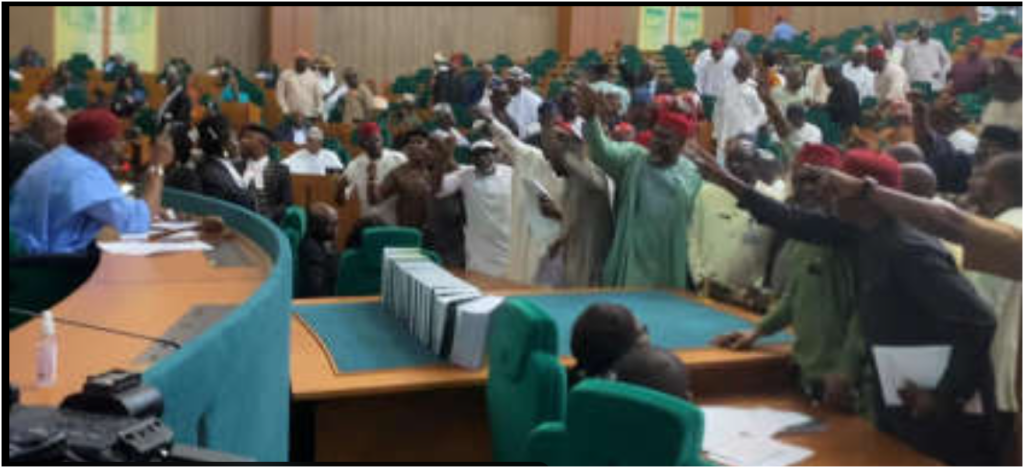
The Senate advised opposition figures to channel their concerns through formal legislative mechanisms rather than public agitation.
Senate spokesperson Yemi Adaramodu likened calls for immediate reversal to challenging a process after its completion, while other lawmakers emphasised that amendments must follow constitutional procedures.
They stressed that the power to amend legislation rests exclusively with the National Assembly.
What this battle signals for 2027
Electoral reforms often reflect deeper struggles over institutional trust.
At its core, the Electoral Act 2026 controversy underscores competing interpretations of how technology, law, and administrative discretion should intersect in Nigeria’s electoral architecture.
Opposition leaders frame the amendments as regression; the ruling party presents them as pragmatic safeguards against technical disruption.
The dispute is unfolding nearly a year before full campaign season begins — a sign that legal framing of the 2027 elections is already underway.
The stakes beyond rhetoric
When electoral laws become central campaign issues, public confidence can either strengthen through clarity or weaken through polarisation.
The path forward now hinges on whether critics introduce formal amendment bills, pursue judicial interpretation, or continue political mobilisation around the issue.
As parties prepare for primaries and campaign season under the revised framework, the Electoral Act 2026 controversy is poised to remain a defining fault line in Nigeria’s march toward 2027.
This is IDNN. Independent. Digital. Uncompromising.
