
A peace offer meets a hard stop
The Julius Abure–led National Working Committee of the Labour Party has rejected reconciliation moves proposed by Abia State Governor Alex Otti, insisting that the party’s leadership dispute remains unresolved and is far from over.
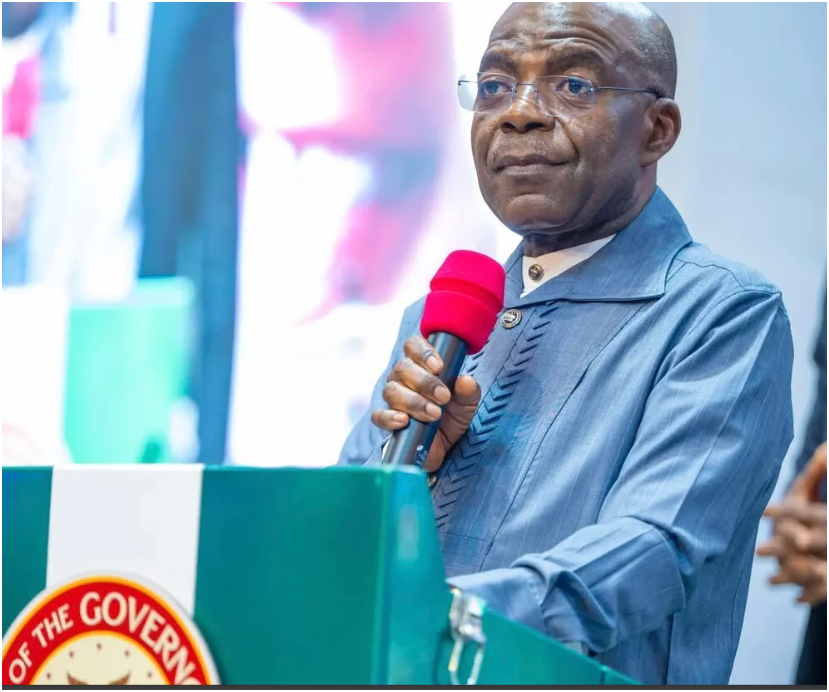
Speaking in an interview, the party’s National Publicity Secretary, Obiora Ifoh, described the reconciliation call as insincere and premature, accusing Otti of being responsible for the crisis now engulfing the party.
Why timing has become the battleground
The Abure faction questioned the timing of Otti’s intervention, noting that legal proceedings surrounding the party’s leadership were still ongoing.
“Why is he suddenly in a rush to call for reconciliation?” Ifoh asked, adding that the recent court judgment cited by the opposing camp was only a decision of a court of first instance and remains subject to appeal.
The faction warned that celebrations by rival groups amounted to a “pyrrhic victory” that would not settle the leadership dispute.
INEC recognition and rival authority
The rejection comes against the backdrop of the Independent National Electoral Commission’s recognition of a National Caretaker Committee led by Nenadi Usman, following a Federal High Court judgment.
While the Otti camp has welcomed INEC’s move as a step toward stabilising the party, the Abure faction has dismissed the recognition as hasty and prejudicial, arguing that it undermines internal party processes and judicial restraint.
Blame, regret, and missed mediation
Governor Otti has publicly expressed regret over the departure of the party’s former presidential candidate, Peter Obi, describing it as a major setback for the Labour Party.
At a meeting in Abuja involving party leaders and labour unions, Otti said the caretaker leadership intended to set up a reconciliation committee and appealed to Abure and his team to return if they abided by party rules.
That appeal was flatly rejected.
As opposition fractures multiply
Party officials aligned with Abure have also accused Otti of injecting executive influence into an already volatile dispute by sponsoring a caretaker committee, a move they say entrenched parallel authorities and multiplied court cases.
Critics argue that the prolonged crisis has prevented the Labour Party from converting the momentum of the 2023 elections into durable party structures, leaving it vulnerable as opposition realignments gather pace.
What continued division could cost
With 2027 approaching, analysts warn that unresolved leadership battles could marginalise the Labour Party within Nigeria’s opposition space. Without a credible internal settlement, the party risks further defections, legal paralysis, and diminished relevance at a time when opposition cohesion is increasingly critical.
This is IDNN. Independent. Digital. Uncompromising.
