
Nigeria’s latest tax reforms were designed to ease pressure on workers by reducing Pay As You Earn deductions and improving take-home pay. Official data and government statements suggest the policy is working. Yet across workplaces and income bands, a recurring sentiment persists: many workers say they feel financially worse off.
If PAYE cuts exist, why do they feel invisible?
The answer lies not in a single failure, but in a convergence of economic forces, implementation realities and human perception.
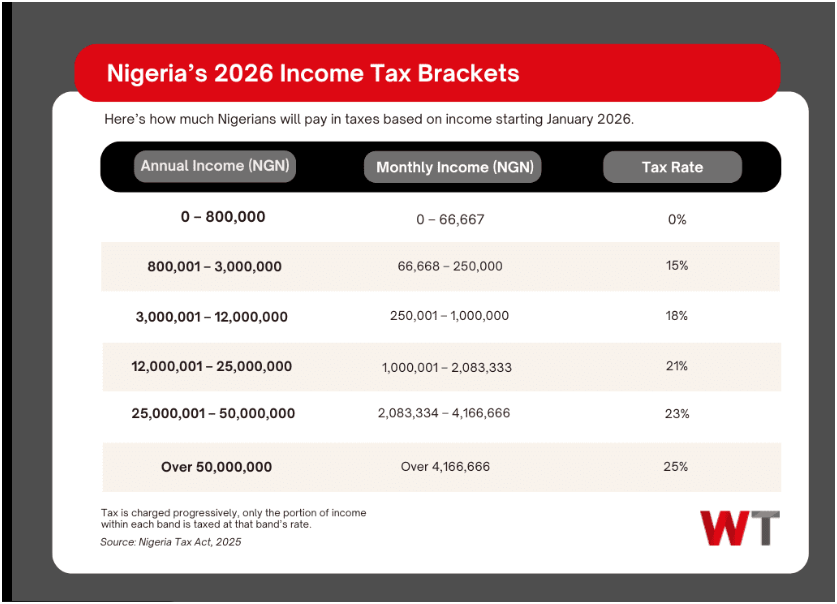
PAYE cuts feel invisible against inflation velocity
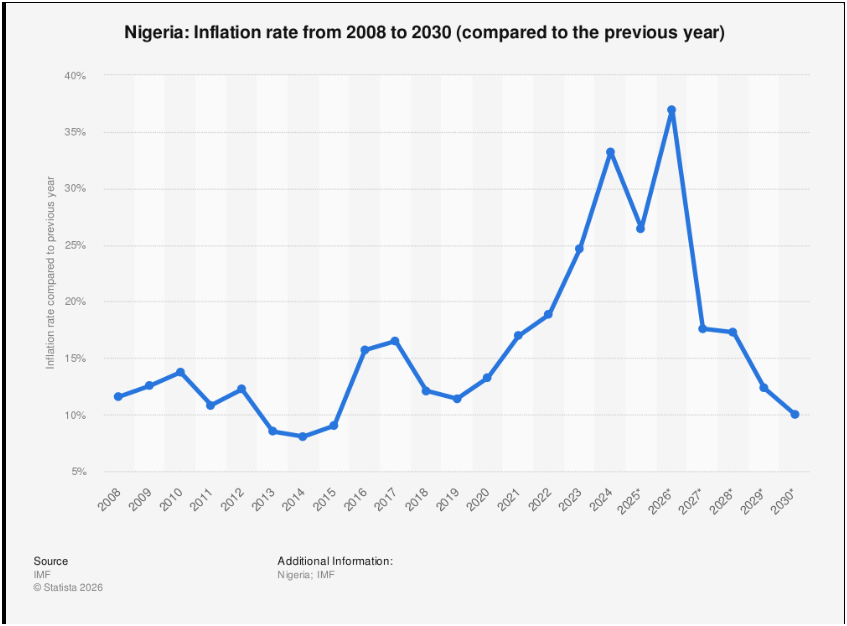
At the heart of the disconnect is inflation velocity — the speed at which prices rise relative to income adjustments. While PAYE reductions may increase net pay by a few thousand naira, inflation in food, transport, energy and services is moving faster.
A ₦5,000 increase in take-home pay can be erased within weeks by higher transport fares, rising food prices or increased service charges. In real terms, purchasing power often declines even when nominal income rises slightly.
This mismatch creates a situation where reforms technically “work” on paper, but fail to register in daily life.
Household cost absorption cancels out relief
Beyond headline inflation, household cost absorption plays a critical role. Nigerian households typically face multiple, recurring expenses that adjust quickly to economic pressures.
Food costs fluctuate weekly. Transport fares rise with fuel and maintenance costs. Banking and digital service fees add invisible friction to income. These expenses absorb marginal gains before workers can consciously experience relief.
As a result, PAYE cuts are not saved or invested — they are immediately consumed by routine survival costs.
Implementation gaps at employer level
Another factor undermining the visibility of PAYE cuts is uneven payroll implementation. While tax laws may change nationally, execution happens locally, through employers.
Differences in payroll systems, delays in updating tax tables, and varying interpretations of relief thresholds mean not all workers benefit at the same time or to the same extent. Some employees report unchanged deductions, fuelling scepticism and confusion.
In such cases, perception hardens quickly: if the payslip does not clearly reflect change, trust in the reform erodes.
Psychological vs nominal income effects

Even where PAYE reductions are correctly applied, psychology matters. Workers evaluate income not by percentage changes, but by lived experience.
If a salary increase does not improve food quality, reduce transport stress or create discretionary spending room, it is often dismissed as meaningless. This psychological threshold is crucial. Relief must be felt, not merely calculated.
Economists describe this as the gap between nominal income and perceived welfare — a space where policy success can still feel like failure.
Why the contradiction persists
The contradiction between official claims and worker sentiment is therefore not necessarily dishonesty on either side. PAYE cuts may exist. Take-home pay may rise slightly. But when inflation, household costs and execution gaps move in the opposite direction, the net experience is negative.
This explains why government assurances and worker frustration can coexist without either being entirely wrong.
What would make relief visible
For PAYE cuts to feel real, complementary conditions must follow. Inflation must slow materially. Payroll compliance must be consistent and transparent. Communication must shift from aggregate percentages to relatable outcomes.
Without these, tax reforms risk becoming technically correct but socially unconvincing.
As Nigeria continues its reform journey, the credibility test is no longer whether policies exist, but whether households can feel them.
