
Nigeria’s Senate has opened scrutiny into the United States airstrikes carried out in parts of Sokoto State, with lawmakers questioning the extent of legislative oversight and the implications for national sovereignty, despite assurances that the operation was conducted in coordination with Nigerian authorities.
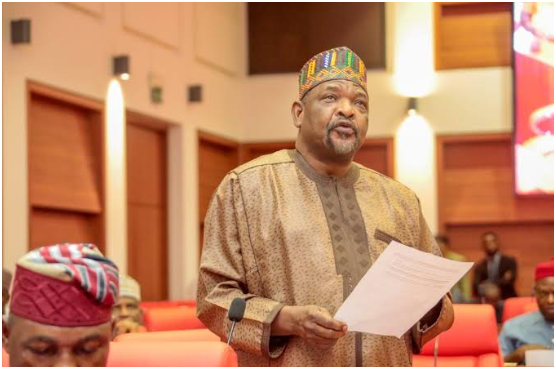
The matter was raised during plenary after Senator Abdul Ningi argued that the December 25 strikes amounted to a breach of Nigeria’s territorial integrity and that the National Assembly was not adequately briefed before or after the operation.
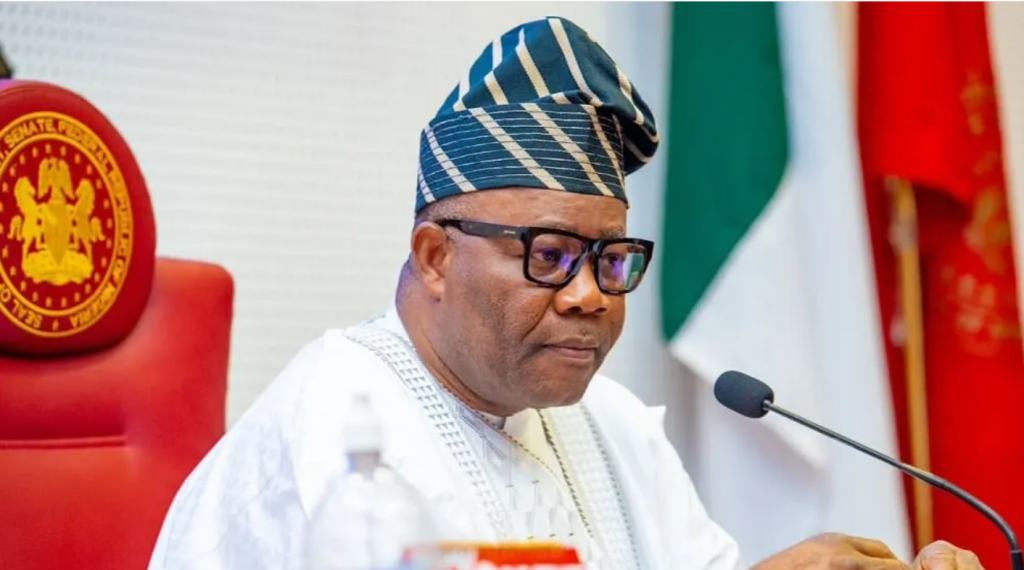
Responding, Senate President Godswill Akpabio confirmed that arrangements had been made for an executive, closed-door briefing to allow security agencies explain the operation to lawmakers. He said the briefing, initially scheduled earlier, was postponed due to the suspension of legislative activities following the death of a serving senator.
“This is a security matter, and it is not something that should be discussed in the open,” Akpabio told senators, assuring them that the leadership of the Senate would ensure full disclosure within the appropriate institutional setting.
The Operation and the Dispute
The airstrikes, carried out on Christmas Day, targeted camps believed to be linked to Islamic State-affiliated militants operating along the Nigeria–Niger border. Nigerian authorities later confirmed that the strikes were conducted following intelligence sharing and strategic coordination between Nigeria’s military and the United States Africa Command.
While the executive arm has maintained that the President, as commander-in-chief, has the constitutional authority to approve such cooperation, critics in the legislature argue that foreign military operations on Nigerian soil require broader parliamentary engagement to preserve democratic accountability.

Why Oversight Matters
Nigeria’s constitution vests significant security powers in the executive, but it also assigns the National Assembly an oversight role in matters of defence and foreign engagement. Senators pressing the issue warned that sidelining the legislature, even in counter-terrorism operations, could set a precedent that weakens institutional checks and balances.
Proponents of the closed-door approach, however, argue that public debate on sensitive military cooperation risks exposing classified information and undermining ongoing security efforts.
Balancing Security and Sovereignty
Nigeria has relied for years on international military partnerships to combat insurgency and banditry, particularly in intelligence sharing, logistics and training. The Sokoto strikes have reignited an old tension: how to reconcile urgent security cooperation with the need for transparency and legislative consent.
Government officials insist that the operation was lawful and necessary, while lawmakers say the issue is less about opposing the strikes and more about ensuring that elected representatives are not treated as an afterthought in critical national decisions.
What Comes Next
The closed-door Senate briefing is expected to clarify the legal basis, operational scope and oversight framework surrounding the airstrikes. Lawmakers say the outcome will guide future engagement between the executive and legislature on foreign military cooperation.
As Nigeria continues to confront evolving security threats, the episode underscores a broader question confronting democratic states: how far executives can go in pursuing security partnerships before parliamentary scrutiny becomes not just advisable, but essential.
This is IDNN. Independent. Digital. Uncompromising.
