
A summit moment — and a direct appeal
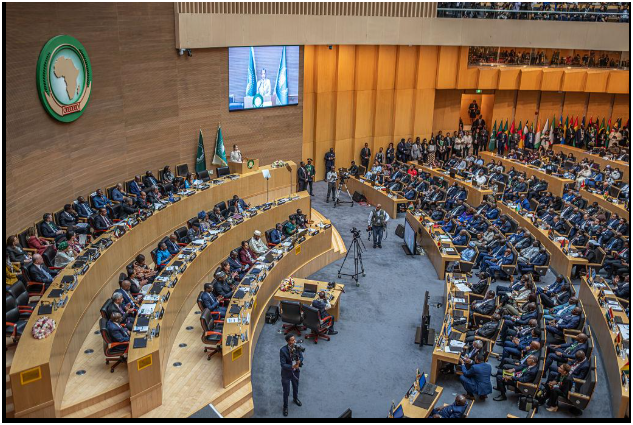
Tinubu South Sudan peace advocacy was delivered at the African Union High-Level Ad Hoc Committee for South Sudan, also known as the C-5 Plus Summit, held in Addis Ababa on the margins of the 39th AU Assembly of Heads of State and Government.
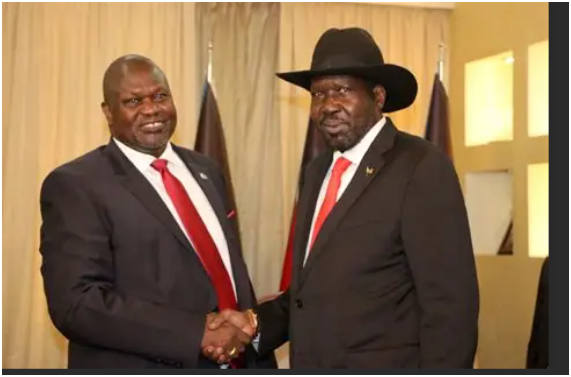
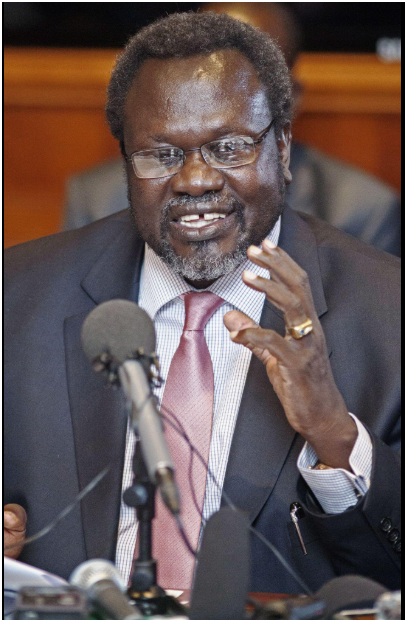
Represented by Vice President Kashim Shettima, the Nigerian president called for the “immediate and unconditional release” of South Sudan’s First Vice President Riek Machar and other detained opposition figures.
“We wish to specifically call on the government to consider the immediate and unconditional release from detention of the Vice President and other key opposition figures,” Tinubu’s message stated.
He further urged all parties to engage constructively in mediation without preconditions.
Eight years after — peace still fragile
The revitalised peace agreement in South Sudan, now eight years old, remains partially implemented. AU Chair President Cyril Ramaphosa acknowledged delays but praised ongoing efforts to stabilise the country.
Tinubu emphasised that national unity and elite consensus were essential to progress during South Sudan’s transitional phase, stressing that inclusive and transparent elections would be key to restoring public trust.
Nigeria, he said, stands ready to accompany the South Sudanese Transitional Government of Unity toward lasting peace and development.
From diplomacy to maritime strategy
Beyond South Sudan, Nigeria used the summit to reinforce its regional security posture.
Tinubu pledged that Nigeria would provide office buildings, ships, helicopters and temporary personnel to support the Combined Maritime Task Force in the Gulf of Guinea, which Nigeria is hosting.
“As host of this taskforce, Nigeria will provide infrastructure… to ensure that the Force remains effective in combating transnational organised crimes and enhancing maritime security across the region,” Shettima stated.
The Gulf of Guinea remains a strategic corridor vulnerable to piracy and organised maritime crime.
Security diplomacy and continental leverage
Nigeria also welcomed progress on the African Standby Force and supported intensified efforts to operationalise the African Court of Justice.
The intervention reflects Abuja’s attempt to consolidate influence within continental security frameworks while responding to rising geopolitical competition across Africa.
Leadership in regional security often carries expectations beyond rhetoric — it demands sustained coordination and measurable outcomes.
Words on stage — consequences on ground
Calls for release, dialogue and maritime reform signal diplomatic intent. However, implementation will determine credibility.
In South Sudan, detainee status and election timelines remain critical fault lines. In the Gulf of Guinea, operational capacity will define effectiveness against transnational threats.
At the AU summit, Nigeria positioned itself as a continental stabiliser.
Whether that role translates into tangible impact now depends on execution beyond the podium.
This is IDNN. Independent. Digital. Uncompromising.
